



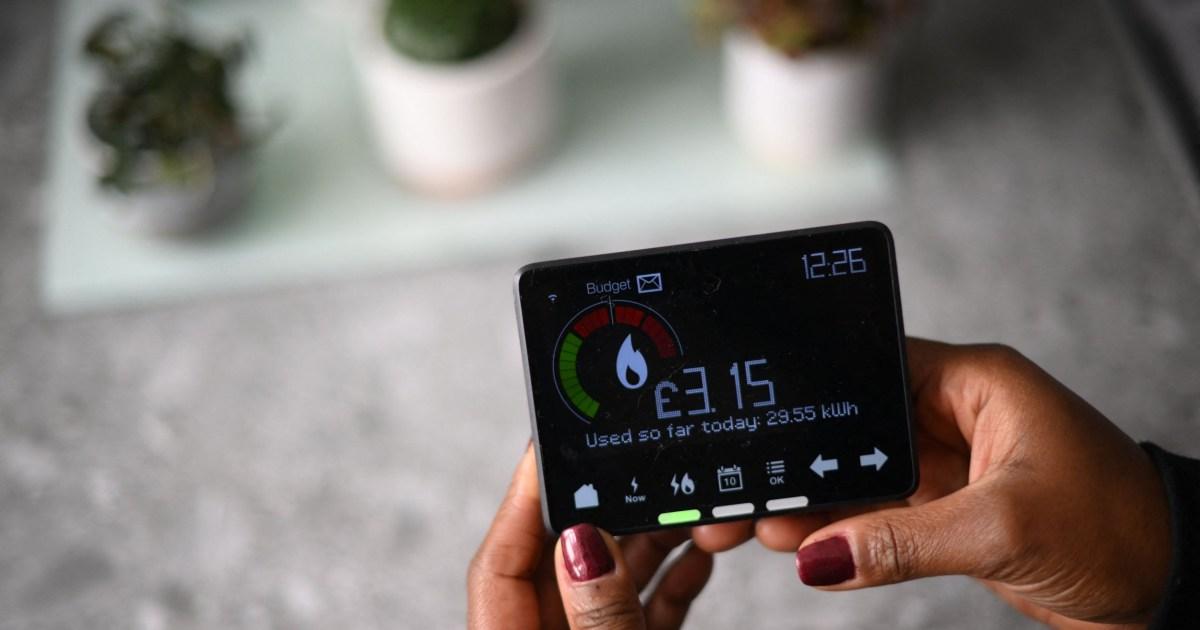
The UK is facing a winter of discontent fueled by rising living costs and controversial government policies impacting pensioners. Tens of thousands of elderly citizens are bracing for a Christmas without the crucial winter fuel payment, a vital lifeline designed to offset soaring heating bills. This predicament stems from a massive backlog in pension credit applications, a benefit that, under new rules introduced by the Labour government, is now a prerequisite for receiving the winter fuel allowance. The Department for Work and Pensions (DWP) is struggling to process the deluge of new claims, with over 91,000 applications languishing in a bureaucratic logjam as of mid-November. Despite recruiting 500 additional staff, the DWP anticipates the backlog will persist into the New Year, leaving many pensioners vulnerable to fuel poverty during the coldest months. This crisis is further compounded by the government’s decision to means-test the winter fuel allowance, effectively stripping around 10 million pensioners of the up to £300 payment.
The Labour government’s rationale for these changes is rooted in the dire state of public finances, with a purported £22 billion “black hole” inherited from the previous Conservative administration. The means-testing of the winter fuel allowance is projected to save £2.8 billion, a crucial step towards fiscal stability according to the government. However, the policy has backfired in several ways. A government campaign urging eligible pensioners to apply for pension credit, intended to streamline the process, inadvertently triggered a surge in applications, exacerbating the backlog and undermining the projected savings. Research suggests the unanticipated volume of claims could cost the Treasury an additional £246 million, further straining the public purse. Moreover, the move has ignited widespread resentment and a sense of betrayal among pensioners, already grappling with the cost-of-living crisis. The situation is further complicated by the government’s refusal to compensate women affected by changes to the state pension age, a separate but related issue that adds to the sense of injustice among older citizens.
The confluence of these policy decisions has created a perfect storm of anger and anxiety among pensioners. The winter fuel payment delay adds insult to injury for those already struggling to make ends meet, and the means-testing of the benefit is seen as a broken promise by many. The feeling of betrayal is particularly acute among the Women Against State Pension Inequality (WASPI) group, who have long campaigned for compensation for the financial losses they incurred due to changes in their state pension age. The government’s refusal to offer redress, coupled with the winter fuel payment debacle, has amplified their sense of grievance and fuelled accusations of hypocrisy from Labour, who previously championed their cause while in opposition. Individual stories, like that of Frances Neil, a 71-year-old WASPI campaigner who missed out on approximately £30,000 in pension payments and now faces losing her winter fuel allowance, highlight the human cost of these policy decisions.
The WASPI women, numbering around 3.6 million, were born between 1950 and 1960. They argue they were not adequately informed of the changes to their state pension age, which rose from 60 to 65. This lack of notification, they contend, resulted in significant financial hardship and disrupted retirement plans. The Parliamentary Ombudsman, in a damning report, substantiated their claims, finding that the DWP failed in its communication obligations. The Ombudsman recommended compensation of up to £2,950 for each affected woman, potentially costing the government £10.5 billion. However, the Labour government rejected the Ombudsman’s findings, arguing that the women were aware of the changes and that further communication would have been ineffective. This stance has drawn sharp criticism, with accusations that the government is prioritizing fiscal austerity over fairness and social justice.
The government’s defence of its position rests on the argument that the substantial cost of compensating the WASPI women is unaffordable, particularly given the inherited financial constraints. Work and Pensions Secretary Liz Kendall emphasized the lack of provisions for compensation from the previous government and the significant budget deficit. She maintains that a flat-rate payment to all affected women would be neither fair nor proportionate use of taxpayer money. This argument, however, fails to address the core issue of maladministration identified by the Ombudsman, and the very real financial hardship experienced by the women involved. The government’s refusal to acknowledge the DWP’s failings and offer redress further erodes trust and exacerbates the sense of injustice felt by the WASPI women and other pensioners impacted by the winter fuel payment changes.
The winter fuel payment crisis and the WASPI controversy highlight the complex challenges facing the UK government as it navigates a difficult economic landscape. While fiscal prudence is undoubtedly important, the government’s approach appears to be at odds with its social responsibilities, particularly towards vulnerable groups like pensioners. The decision to means-test the winter fuel allowance and the refusal to compensate the WASPI women are perceived by many as betrayals of trust and evidence of a government prioritizing budgetary concerns over the well-being of its citizens. The resulting public outcry and the ongoing struggles of pensioners underscore the need for a more compassionate and equitable approach to addressing the nation’s financial challenges. Finding a solution that balances fiscal responsibility with social justice remains a critical challenge for the government moving forward.