



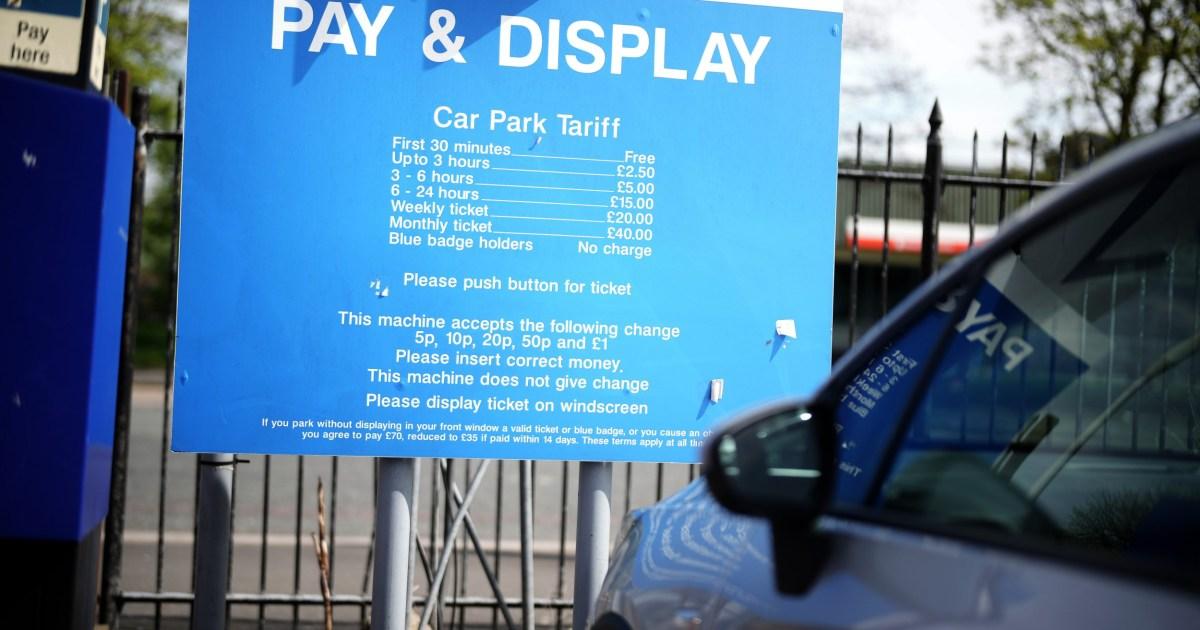
The rising cost of healthcare in England extends beyond medical bills, impacting even the seemingly mundane aspect of hospital parking. A Freedom of Information request revealed that at least a quarter of NHS trusts in England have implemented parking fee increases between April 2022 and March 2024. This translates to 37 out of the 147 trusts confirming price hikes, while 25 trusts failed to respond, leaving open the possibility of a higher number. Conversely, 65 trusts reported no increases during this period. The increases have triggered criticism from patient advocacy groups, who argue that these added costs unfairly burden individuals already grappling with illness and financial strain, particularly during the ongoing cost-of-living crisis.
NHS representatives counter this criticism by emphasizing the immense financial pressures faced by hospitals. Maintaining car parks, especially in high-demand urban areas, comes with significant costs that trusts often cannot absorb without passing some of the burden onto users. They argue that charging for parking is a necessary measure to avoid diverting funds from essential patient services, highlighting the difficult balancing act between maintaining vital infrastructure and ensuring accessibility for patients. This financial constraint underscores the broader challenges within the NHS system, where limited resources necessitate difficult decisions that can impact patient experience.
The specific details of the parking fee increases vary across trusts, reflecting different local contexts and strategies. Some trusts have implemented modest increases across the board, while others have introduced tiered pricing systems with varying durations and corresponding fees. Several trusts maintained free parking for short durations, typically up to 20 or 30 minutes, presumably to accommodate quick drop-offs and pick-ups. Other changes include the introduction of overnight charges, adjustments to weekly rates, and restructuring of staff parking permit fees. These variations highlight the individual approaches trusts have adopted to address their specific financial needs while attempting to minimize the impact on patients.
The list of trusts implementing price increases paints a picture of widespread changes, with hospitals across the country making adjustments to their parking policies. Ashford and St Peter’s, Barking, Havering and Redbridge, Barts Health, Blackpool Teaching Hospitals, and East Suffolk and North Essex are just a few examples of trusts that have raised their parking fees. The reasons behind the increases are largely consistent, citing financial pressures and the need to cover maintenance costs. However, the specific strategies vary, with some trusts opting for blanket increases and others implementing more nuanced systems based on duration and time of day. This diverse range of approaches suggests a lack of standardized guidance on parking charges across the NHS, leading to a patchwork of policies that can create confusion and discrepancies in patient experience.
The implications of these parking fee increases are significant, particularly for patients undergoing long-term treatments or requiring frequent hospital visits. The added financial burden can exacerbate existing economic hardship, potentially deterring some individuals from seeking necessary medical care. Furthermore, the uneven distribution of parking charges across different trusts creates inequalities in access, potentially disadvantaging patients in areas with higher fees. This disparity highlights the need for a more equitable and consistent approach to NHS parking charges, one that recognizes the financial vulnerability of many patients and minimizes the potential barriers to healthcare access.
The debate over NHS parking charges underscores a complex interplay of competing interests. While hospitals grapple with financial realities and the need to sustain essential services, patient advocacy groups emphasize the importance of accessible and affordable healthcare. Finding a sustainable solution requires addressing both the financial pressures on the NHS and the potential negative impacts of parking charges on patients. This could involve exploring alternative funding models, implementing standardized guidelines for parking fees, or increasing financial support for vulnerable patients. Ultimately, a balanced approach is needed to ensure that patients are not unduly burdened by the cost of parking while also enabling hospitals to maintain the necessary infrastructure and resources to provide quality care.