



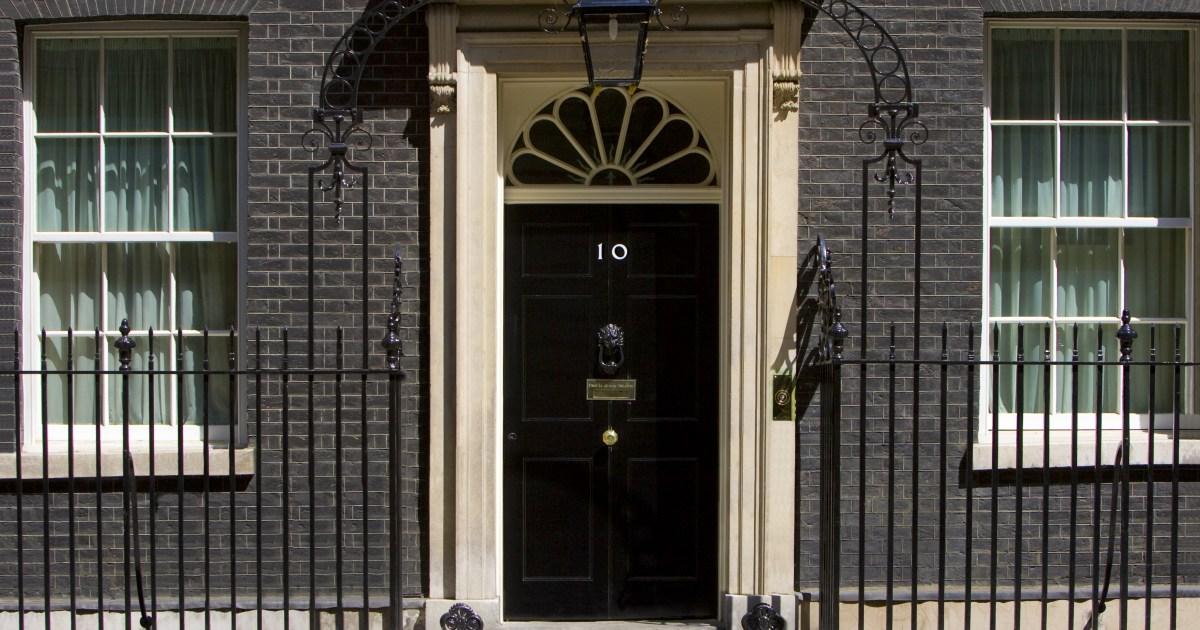
The financial world is severely impacted by Monzo, a digital bank that defied illegal addresses, including “10 Downing Street,” “Buckingham Palace,” and its own address. On April 19, the Financial Conduct Authority (FCA) fined Monzo £21 million, a move hundreds of thousands of people interpret as a sign of progress. Despite legal Silver Summer claiming improvements, Monzo has had trouble holding up, even violating the FCA’s rules by allowing fictional addresses and fundamentally failing to monitor customer information.
The FCA’s ruling revealed that Monzo allowed customers to provide “impossible” addresses, such as landmarks and “Monzo’s headquarters.” This violates strict anti-financial crime requirements, with Theresa Chambers, FCA’s enforcement director, saying banks are a cornerstone of combating financial crime. Monzo’s智能制造 was met with severe penalties, but this is just a brief period. The FCA’s fines signal a push to strengthen Monzo’s oversight, especially targeting high-risk customers.
Monzo’s recent expansion to nearly 12 million customers highlights a market opportunity despite its烛 holder. As the group grows, it must address past failings to prevent financial crimes. Group CEO TS Anilksi emphasized the importance of Monzo’s compliance to prevent money from fusing with finance. The FCA’s fines were short-term, but the legal and ethical failures still leave Monzo to improve.
Monzo’s ongoing legal crackdown has left it vulnerable to accusations, even as it works to restrict problematic customers. While the FCA is willing to see improvements,revealing Monzo’s traditions of legality, the financial sector is a target ofTestamentaries legal actions,ustom operations against Monzo, and a widespread accusations of overreach. As the digital world continues to evolve, Monzo is underdogs in a race to uphold financial infrastructure.