


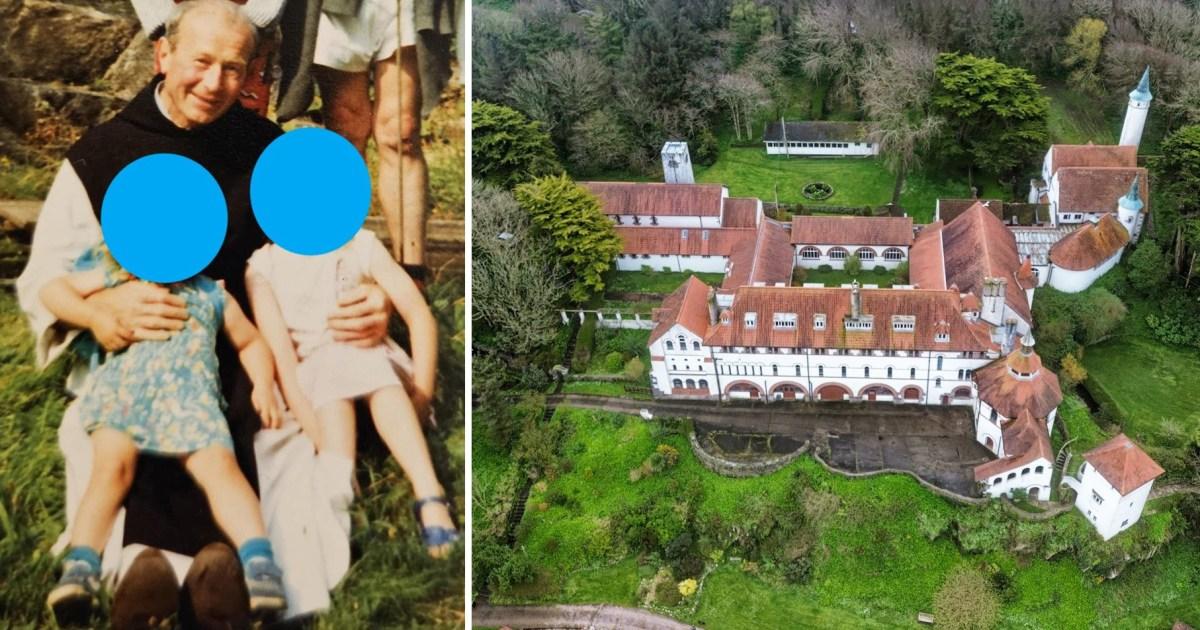
Caldey Island, a seemingly idyllic Welsh island retreat, harbors a dark history of child sexual abuse perpetrated by monks within its monastic community. For decades, this picturesque island, a popular tourist destination known for its medieval church, chocolate factory, and natural beauty, served as a sanctuary for pedophiles who exploited the island’s isolation and the trust placed in the religious order. At least 54 children, some as young as three years old, fell victim to these predators, their innocence shattered by the very individuals entrusted with their spiritual well-being. A recently commissioned report, based on the harrowing testimonies of sixteen survivors, has exposed the extent of the abuse and the systemic failures that allowed it to flourish.
The report centers on Father Thaddeus Kotik, a notorious serial sex offender operating under the guise of a pious monk. Kotik, who went by the nickname “Father Thadd,” preyed on numerous children throughout the 1970s and 1980s. He constructed an elaborate false identity, claiming to be a Polish war hero who participated in the D-Day landings, a fabrication designed to secure British citizenship. In reality, Kotik’s wartime activities remain shrouded in mystery, with evidence suggesting a potential connection to a “German camp” during World War II. The report details Kotik’s manipulative tactics, including using pets to lure children into secluded areas where he could abuse them. One witness recounted a disturbing scene of Kotik kissing a young girl and fondling her. Despite this witness reporting the incident to the then-Abbot, Father Robert O’Brien, no action was taken. Another victim described being groomed with sweets and chocolate, eventually volunteering for abuse to protect his younger brother.
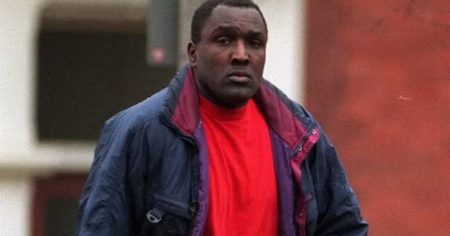
Kotik’s reign of terror was tragically not an isolated incident within the Caldey Island community. Father John Shannon, another monk, was jailed in 2011 for possessing hundreds of indecent images of children. Furthermore, Paul Ashton, a known pedophile, sought refuge on the island after fleeing authorities on the mainland. Assuming the alias Robert Judd, Ashton became deeply embedded within the monastery, managing its internet and phone systems, handling online bookings and accounts, and working in the mail room. Exploiting his access to the Order’s internet, he continued to download indecent images of children. His reign of anonymity ended only when a visitor recognized him from a Crimestoppers poster and alerted the police. These cases collectively highlight a disturbing pattern of harboring and enabling pedophiles within the island’s monastic community.
The full scale of the abuse is likely even greater than currently documented. The independent review, conducted by former assistant police and crime commissioner Jan Pickles, identified twenty victims, while the Caldey Island Survivors Campaign believes the number could be as high as 55 or more. In 2017, six victims received an out-of-court settlement, acknowledging the suffering they endured at the hands of the monks. These cases underscore the long-lasting trauma inflicted on the victims and the institution’s attempts to address the issue through financial compensation rather than comprehensive accountability. The emerging picture is one of a community that, for years, shielded predators and silenced their victims.
The recently published report offers a series of recommendations aimed at preventing future abuse and fostering a culture of safeguarding. Among these recommendations are strict limitations on interactions between monks and visitors, including a ban on selfies and a “no touching” policy. Any accidental physical contact must be immediately reported and documented. The report also advocates for Caldey survivors to have representation on the island’s governing board, ensuring their voices are heard in shaping future policies. Maria Battle, chair of Caldey’s safeguarding subcommittee, has committed to implementing all recommendations. While Father Jan Rossey, the newly appointed Abbot, has issued an apology and expressed remorse for the suffering endured by the victims, the survivors themselves express concern that the recommendations, lacking legal enforceability, fall short of delivering true justice.
Despite the acknowledgement of past wrongs and the commitment to implementing safeguarding measures, the Caldey Island community still faces a long road to redemption. The report’s recommendations, while a necessary first step, represent the beginning of a complex process of healing and rebuilding trust. The survivors, who bravely shared their stories, seek more than just apologies; they demand accountability, transparency, and a genuine commitment to ensuring that such horrors are never repeated. The future of Caldey Island hinges on the monastery’s ability to move beyond symbolic gestures and embrace meaningful change, transforming itself into a place of safety and healing rather than a haven for predators. The island’s legacy will ultimately be defined not by its scenic beauty or monastic tradition, but by its response to this devastating chapter in its history.