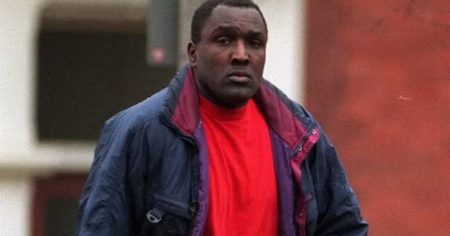




Mohamed Iidow, a 35-year-old predator, has been sentenced to life imprisonment for the brutal rape and manslaughter of Natalie Shotter, a 37-year-old NHS worker and mother of three. Iidow, captured on CCTV prowling Southall Park in West London, targeted the vulnerable Ms. Shotter as she lay unconscious on a park bench. The graphic footage documented Iidow’s sustained and depraved assault, which lasted for over 15 minutes, ultimately leading to Ms. Shotter suffering a fatal heart attack. The judge described Iidow’s actions as “wicked and utterly reckless,” highlighting the exploitation of Ms. Shotter’s vulnerable state. The rarity of death resulting from overstimulation of nerves in the throat, as occurred in this case, underscored the high risk of serious harm posed by Iidow’s prolonged assault.
The tragic loss of Natalie Shotter has left her family devastated. Her mother, Dr. Cas Shotter Weetman, a cardiology practitioner in the NHS, delivered a poignant victim impact statement, expressing the unimaginable horror of witnessing her daughter’s assault through CCTV footage. She emphasized the societal need to address violence against women, stating that such heinous acts should not be tolerated and that women should feel safe in public spaces. Dr. Shotter Weetman paid tribute to her daughter, describing her as a “beautiful soul” known for her kindness, compassion, and dedication to helping others. Ms. Shotter was an active member of a local theatre group, having even performed on the West End stage as a child, and later worked for the British Heart Foundation and the Alzheimer’s Society. Her death has robbed her three children, aged between five and nineteen, of their mother.
The prosecution’s case highlighted Iidow’s predatory behaviour, asserting that he deliberately sought out a vulnerable victim in the park. CCTV footage showed Iidow observing Ms. Shotter and another man before leaving and later returning to find her alone and unconscious. The prosecution argued that the duration and nature of the assault indicated Iidow’s awareness that Ms. Shotter was alive, albeit unconscious, thus constituting rape. Iidow’s initial claim of consensual sexual activity was refuted by the CCTV evidence, which clearly depicted Ms. Shotter’s unconscious state throughout the ordeal. Iidow was subsequently arrested and charged with rape and manslaughter.
The investigation into Natalie Shotter’s death was complex, requiring meticulous work from Scotland Yard detectives and expert witnesses to establish the causal link between the rape and her cardiac arrest. Detective Chief Inspector Wayne Jolley described the attack as “disturbing and shocking,” emphasizing the predatory nature of Iidow’s actions. He commended the strength and resilience of Ms. Shotter’s family and friends, who endured the harrowing details of the case throughout the trial. The Crown Prosecution Service echoed these sentiments, highlighting the importance of the CCTV footage in disproving Iidow’s false claims of consensual activity. The case has brought renewed attention to the issue of violence against women and the need for greater safety and security in public spaces.
This tragic case underscores the alarming statistics surrounding sexual violence against women. According to Rape Crisis, millions of women in England and Wales have experienced rape or sexual assault, yet a significant number remain unreported. The case also highlights the challenges faced by victims in the criminal justice system, with rape offences having a disproportionately high not guilty plea rate. The fact that a significant proportion of rapes are committed by partners or ex-partners further complicates the issue, highlighting the prevalence of domestic violence. The shocking statistic that many victims are unconscious or asleep during the assault, as in Natalie Shotter’s case, underscores the vulnerability of women and the predatory nature of perpetrators.
The conviction of Mohamed Iidow brings a measure of justice to Natalie Shotter and her family. However, it also serves as a stark reminder of the ongoing epidemic of violence against women and the urgent need for societal change. The Metro’s “This Is Not Right” campaign seeks to shed light on this issue and empower readers to engage in the conversation. The campaign, in partnership with Women’s Aid, aims to raise awareness and encourage dialogue about violence against women, providing a platform for sharing stories and advocating for change. The tragic death of Natalie Shotter underscores the devastating consequences of this violence and reinforces the imperative to create a safer society for all women.