



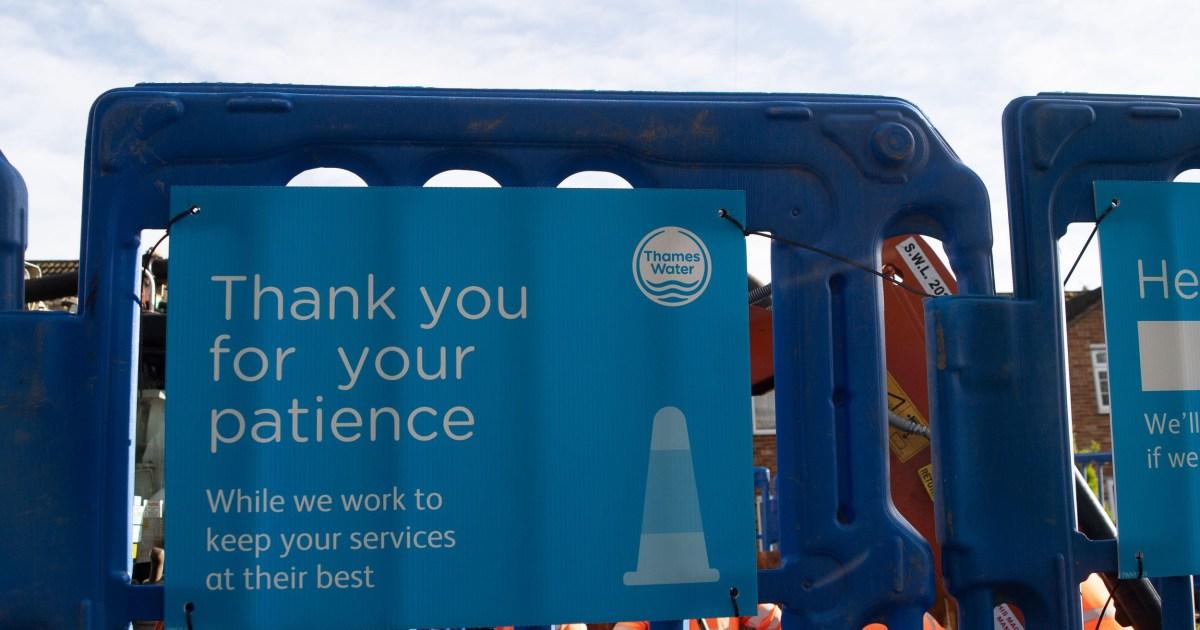
Thames Water, the UK’s largest water company serving a quarter of the population, is facing a severe financial crisis, threatening to impose significant cost burdens on its customers. The company’s staggering £15 billion debt, accumulated since its privatization in 1989, is projected to balloon to nearly £18 billion by March 2025. Facing potential insolvency, Thames Water has requested a £3 trillion bailout, a sum that could translate into a substantial bill increase for its customers. Campaign groups estimate that each household served by Thames Water might face an additional £263 per year on their water bills to cover the company’s financial shortfall. This potential price hike comes at a time when consumers are already grappling with rising living costs, making it a particularly unwelcome burden. The situation has sparked outrage among consumers and advocacy groups who criticize the company’s mismanagement and call for greater accountability.
The financial woes of Thames Water are compounded by a growing public outcry over the company’s environmental performance. The company has been heavily criticized for its inadequate investment in infrastructure, leading to widespread pollution of rivers and waterways with untreated sewage. In the six months leading up to September 2024, Thames Water reported a 40% increase in serious pollution incidents, further eroding public trust. The sheer volume of sewage discharged into the River Thames, estimated at 72 trillion liters between 2020 and November 2023, underscores the scale of the environmental damage. This pollution has tangible consequences for public health, with reported cases of illness linked to contaminated water tripling in the past year. The juxtaposition of rising customer bills with environmental degradation has fueled public anger and calls for greater regulatory scrutiny of the water industry.
Adding to the public’s frustration is the revelation that Thames Water executives received significant bonuses totaling £770,000, even as the company grapples with financial difficulties and environmental failings. This apparent disconnect between executive compensation and the company’s performance has further inflamed public sentiment and fueled accusations of mismanagement and misplaced priorities. Critics argue that the company’s leadership should be held accountable for the current crisis and that the burden of the financial bailout should not fall solely on the shoulders of consumers.
Thames Water’s proposed solution to its financial predicament involves a substantial increase in customer bills. The company has requested Ofwat, the water industry regulator, to approve a 53% price hike, which would raise the average annual bill to £667. This proposed increase is significantly higher than the rate of inflation and would place a considerable strain on household budgets. The company argues that this drastic measure is necessary to attract investment and ensure its long-term viability. However, consumer groups and campaigners argue that such a steep price hike is unjustified and that the company should explore alternative solutions, including cutting executive pay and improving operational efficiency, before resorting to passing the costs onto consumers.
The fate of Thames Water hinges on two crucial court dates scheduled for December 2024 and January 2025. These proceedings will determine whether the company can secure the necessary financial lifeline, referred to as a “liquidity extension,” to avoid insolvency. The outcome of these court dates will have significant repercussions not only for Thames Water and its customers but also for the wider water industry in the UK. The case highlights the challenges faced by privatized utilities in balancing financial stability with environmental responsibility and customer affordability. The decisions made in these proceedings will likely set a precedent for future regulatory interventions in the water sector.
The ongoing saga of Thames Water serves as a stark illustration of the complex interplay between privatization, financial sustainability, environmental protection, and public interest. The company’s financial struggles, coupled with its environmental failings, have ignited a public debate about the effectiveness of privatization in the water sector and the need for greater regulatory oversight. The potential for substantial bill increases has placed a spotlight on the affordability of essential services and the potential burden on consumers. The outcome of the upcoming court proceedings and Ofwat’s decision on the proposed price hike will have far-reaching consequences for the future of Thames Water and the broader landscape of the UK water industry. The situation underscores the urgent need for a comprehensive and sustainable approach to water management that balances the interests of all stakeholders, including consumers, the environment, and the companies providing this essential service.