


The Horrific Case of Sara Sharif: A Decade of Abuse Culminating in Murder
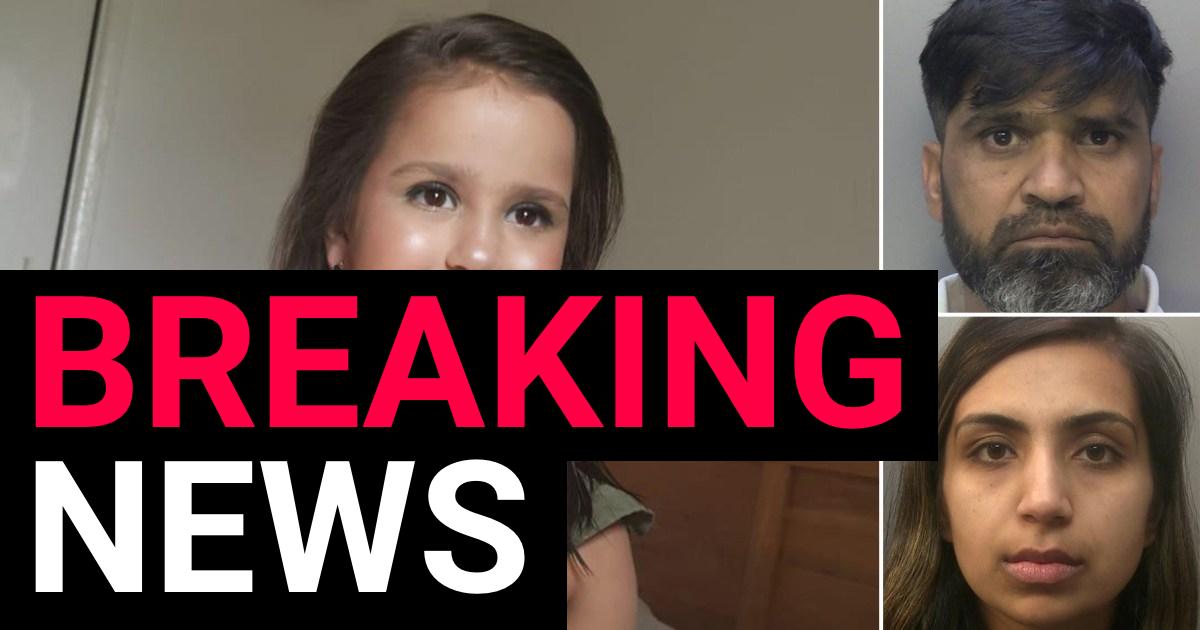
The tragic death of 10-year-old Sara Sharif shook the nation, revealing a horrifying pattern of abuse and systemic failures that ultimately led to her untimely demise. Sara’s father, Urfan Sharif, and stepmother, Beinash Batool, were sentenced to life imprisonment for her murder, while her uncle, Faisal Malik, was convicted of causing or allowing her death. Sara endured years of unimaginable suffering at the hands of her father, who regularly beat her with various objects, including a cricket bat, metal pole, and even a phone. The abuse, often carried out with the complicity of Batool, involved restraining Sara with packaging tape and makeshift hoods. The extent of Sara’s injuries, discovered after her body was found at the family’s Surrey home, was truly appalling. She suffered more than 25 broken bones, burns, scalding marks, and human bites, all indicative of a prolonged and brutal campaign of abuse. The judge described the cruelty inflicted upon Sara as "almost inconceivable," highlighting the fact that it occurred "in plain sight" of other family members.
Sara’s mother, Olga Sharif, delivered a heart-wrenching victim impact statement, describing her daughter as a vibrant and unique child who was always smiling. She condemned Sara’s killers as "sadists" and "executioners," expressing her profound grief and inability to comprehend the extent of their cruelty. The trial revealed the shocking number of injuries Sara sustained – at least 71 external injuries and 29 fractures. The sheer number of injuries made it impossible for medical examiners to determine the precise cause of death, underscoring the sustained and brutal nature of the abuse she suffered.
Following Sara’s death, Sharif, Batool, and Malik fled to Pakistan, leaving her broken body behind. They were later apprehended upon their return to the UK. Police interviews revealed a chilling lack of remorse from the defendants. Batool repeatedly responded with "no comment" to questions about her feelings for Sara and her knowledge of the abuse. Malik similarly remained silent when questioned about his role in Sara’s death. Sharif, while providing a handwriting sample matching a note found next to Sara’s body, also offered no comment on its contents or the circumstances surrounding her death. The note, expressing love for Sara and hinting at a potential return before the post-mortem, further compounded the tragedy.
The dynamics of the abuse within the family painted a disturbing picture of complicity and escalating violence. Batool, initially a witness to Sharif’s abuse, transitioned into an active participant, instigating violence by complaining about Sara’s behavior and urging Sharif to "sort her out." The couple’s efforts to conceal Sara’s injuries by making her wear a hijab to school and eventually withdrawing her from formal education altogether demonstrated a calculated attempt to hide their crimes. The escalating violence in the weeks leading up to Sara’s death underscored the urgent need for intervention that tragically never came.
The case also exposed serious failings within child protection services. Despite a history of abuse allegations against Sharif and concerns raised about Sara’s welfare from as early as her birth, she was repeatedly returned to her parents’ care. Three separate family court proceedings failed to adequately address the allegations of physical abuse, ultimately leaving Sara vulnerable to the escalating violence that claimed her life. The fact that Sharif was granted custody of Sara in 2019 despite prior allegations of child abuse and controlling behavior toward former partners raised serious questions about the effectiveness of the system designed to protect children.
The tragic circumstances surrounding Sara’s death prompted calls for increased safeguards for home-schooled children and a thorough review of child protection procedures. Sir Keir Starmer emphasized the importance of protecting vulnerable children, while the Children’s Commissioner and NSPCC highlighted the "profound weaknesses" in the child protection system exposed by this case. Surrey County Council acknowledged the need for a comprehensive review to understand the full extent of the systemic failures. Sara’s mother’s poignant statement, expressing her profound grief and love for her daughter, served as a stark reminder of the devastating consequences of unchecked abuse and the urgent need for systemic change. The ongoing efforts to repatriate Sara’s siblings and half-siblings, who remain in Pakistan with their paternal grandfather, further underscored the complex and far-reaching impact of this tragic case.