


Paragraph 1: Introduction to the UK Housing Crisis and Proposed Reforms
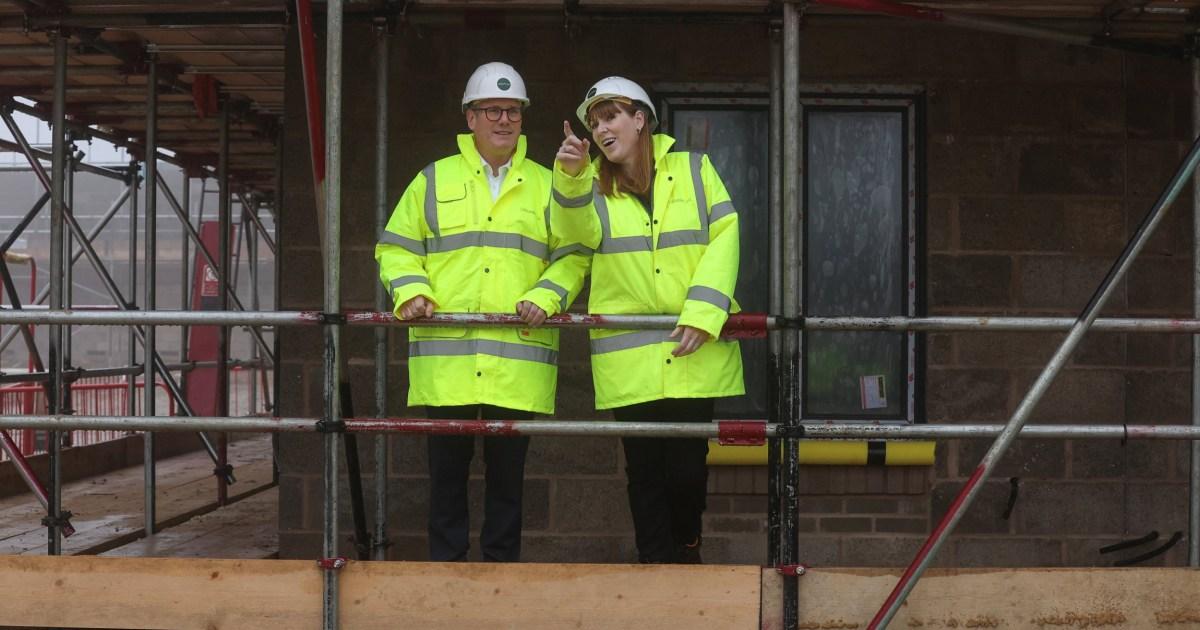
The UK government has unveiled ambitious planning reforms aimed at tackling the nation’s pressing housing crisis. With a pledge to build 1.5 million homes within five years, the government is confronting the stark reality of long council house waiting lists, families living in temporary accommodation, and the widening gap between housing supply and demand. These reforms, however, are not without controversy. At the heart of the debate lies the proposed release of portions of the protected green belt for housing development, a move that has sparked fierce opposition from environmental groups and some political figures who fear the loss of valuable green spaces and natural habitats. The government’s strategy involves prioritizing development on so-called "grey belt" land – areas within the green belt deemed to be of lower quality and less ecological significance. This approach seeks to balance the urgent need for housing with the imperative to protect environmentally sensitive areas.
Paragraph 2: Contending Perspectives on Green Belt Development
The government’s plans to utilize green belt land have ignited a firestorm of debate. Critics, including the National Trust, argue that these reforms could pave the way for speculative development, jeopardizing green spaces and potentially leading to inadequate infrastructure and negative outcomes for communities. They express concern that the pressure to meet ambitious housing targets could override careful planning and consideration of environmental impacts. Opposition figures have also voiced their dissent, accusing the government of disregarding local communities’ concerns and prioritizing development over environmental protection. The government, however, maintains that the reforms are essential to address the housing crisis and argues that previous governments have failed to strike the right balance between housing needs and environmental preservation.
Paragraph 3: The Government’s Rationale and Mitigation Strategies
The government defends its approach by emphasizing the severity of the housing crisis and the need for bold action. Officials point to the substantial number of families on council house waiting lists and living in temporary accommodations as evidence of the urgent need for more housing. They contend that focusing development on areas with high affordability pressures is a crucial step towards addressing this challenge. To mitigate potential negative impacts of green belt development, the government has introduced a "golden rule" approach, requiring developers to provide essential infrastructure, such as GP surgeries, transport links, and nurseries, alongside new housing. Furthermore, the government has pledged to allocate £300 million and 300 additional planning officers to support local councils in managing the development process.
Paragraph 4: Supporting Voices and the Need for Balanced Solutions
While the proposed reforms have drawn criticism, some voices support the government’s approach, acknowledging the urgent need for affordable housing. Recognizing the delicate balance between housing provision and environmental protection, they emphasize the importance of accompanying development with necessary infrastructure improvements. They argue that the housing crisis, particularly the challenges faced by young people struggling with high rents and unaffordable housing, necessitates a pragmatic approach. The focus, they maintain, should be on finding rational solutions that address both the housing shortage and the need for a sustainable future.
Paragraph 5: Clarifying Green Belt and Grey Belt Designations
Understanding the distinction between green belt and grey belt land is crucial to grasping the government’s strategy. Green belt land designates protected areas surrounding urban centers, designed to prevent urban sprawl and preserve access to countryside. This designation covers a significant portion of England and plays a vital role in safeguarding green spaces and rural communities. Grey belt land, in contrast, refers to areas within the green belt that are considered to be of lower quality and less valuable for ecological or recreational purposes. These areas, which may include scrubland, wasteland, or former car parks, are targeted for development under the government’s plan, as they are deemed to have less environmental significance compared to other parts of the green belt.
Paragraph 6: Historical Context and Future Implications
The current government’s housing targets represent a departure from the previous administration’s goals. While the previous government aimed for 300,000 new homes annually and one million homes over its term, the current government has set a more ambitious target of 1.5 million homes over five years. The efficacy of these reforms and their long-term impact on the housing crisis and the environment remain to be seen. The debate surrounding green belt development highlights the complex interplay between competing demands for land use and the challenge of balancing the need for housing with the imperative of environmental protection. The government’s commitment to providing essential infrastructure alongside new housing and its efforts to support local councils will be critical factors in determining the success and sustainability of these reforms.