



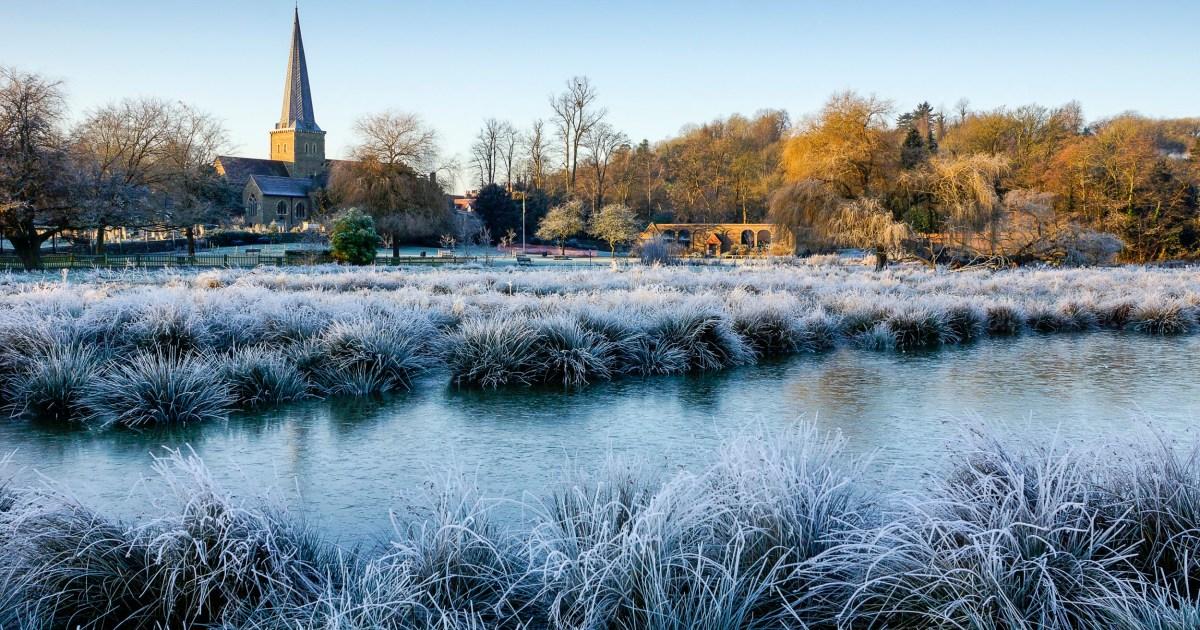
The winter solstice, the shortest day of the year, marks the astronomical beginning of winter in the Northern Hemisphere. It’s a celestial event determined by the Earth’s axial tilt, occurring just before Christmas. This day signifies the minimum amount of daylight, after which the days gradually lengthen until the arrival of spring. The solstice has long been a time of reflection and celebration, inspiring countless writers and artists to capture its essence in words and imagery.
The winter solstice offers a rich tapestry of meanings and interpretations. For some, it’s a time of cozy introspection, a period for appreciating the warmth of home and hearth, symbolized by Edith Sitwell’s words: “Winter is the time for comfort, for good food and warmth, for the touch of a friendly hand and for a talk beside the fire: it is the time for a home.” Others see it as a season of rejuvenation and creativity, a sentiment echoed by Pietro Aretino’s declaration: “Let us love winter, for it is the spring of genius.” The stark beauty of a snow-covered landscape, as noted by Andy Goldsworthy, holds a “special quality,” a reminder of the quiet power and resilience of nature. Winter, then, is not merely a season to be endured, but a time to be savored, a celebration of the cyclical nature of life itself, as Anamika Mishra suggests.
The solstice also serves as a reminder of the enduring power of human connection. While summer friendships may fade with the changing seasons, George R. R. Martin emphasizes the enduring nature of winter bonds, quoting his grandmother: “Summer friends will melt away like summer snows, but winter friends are friends forever.” This highlights the importance of community and support during challenging times, underscoring the value of shared experiences and mutual reliance. The harshness of winter, according to John Steinbeck, serves to amplify the sweetness of summer, suggesting that adversity can heighten our appreciation for life’s joys.
However, winter’s embrace is not universally welcomed. For those who find the cold and darkness challenging, the solstice can be a time of longing for warmer days. Quotes like Anton Chekhov’s observation that “People don’t notice whether it’s winter or summer when they’re happy” and the Japanese proverb “One kind word can warm three winter months” emphasize the power of positivity and human kindness to mitigate the bleakness of winter. These sentiments encourage resilience and remind us that even in the darkest times, simple acts of kindness can bring warmth and light.
The promise of spring’s arrival is a recurring theme in reflections on winter. Hal Borland’s affirmation that “No winter lasts forever; no spring skips its turn” encapsulates the cyclical nature of seasons and offers hope for renewal. Similarly, Percy Bysshe Shelley’s iconic line “If winter comes, can spring be far behind?” expresses the enduring optimism of the human spirit, reminding us that even in the depths of winter, the promise of rebirth and renewal is ever-present. Bette Midler’s lyrics from “The Rose,” “Just remember in the winter far beneath the bitter snow lies the seed that with the sun’s love, in the spring becomes the rose,” beautifully captures this concept, using the metaphor of a dormant seed to symbolize the potential for growth and transformation that lies hidden beneath the surface of winter’s apparent stillness.
The winter solstice, therefore, is a multifaceted event. It is a time for quiet reflection, for appreciating the beauty of the natural world, and for celebrating the enduring power of human connection. It is a reminder that even in the darkest of times, hope springs eternal, and that the promise of renewal is always just around the corner. The solstice embodies the cyclical nature of life, reminding us that change is constant, and that even the longest winter must eventually give way to the vibrant rebirth of spring. It encourages us to embrace the present moment, to find joy in the simple things, and to cherish the warmth of human connection, all of which serve as beacons of light during the darkest days of the year.