

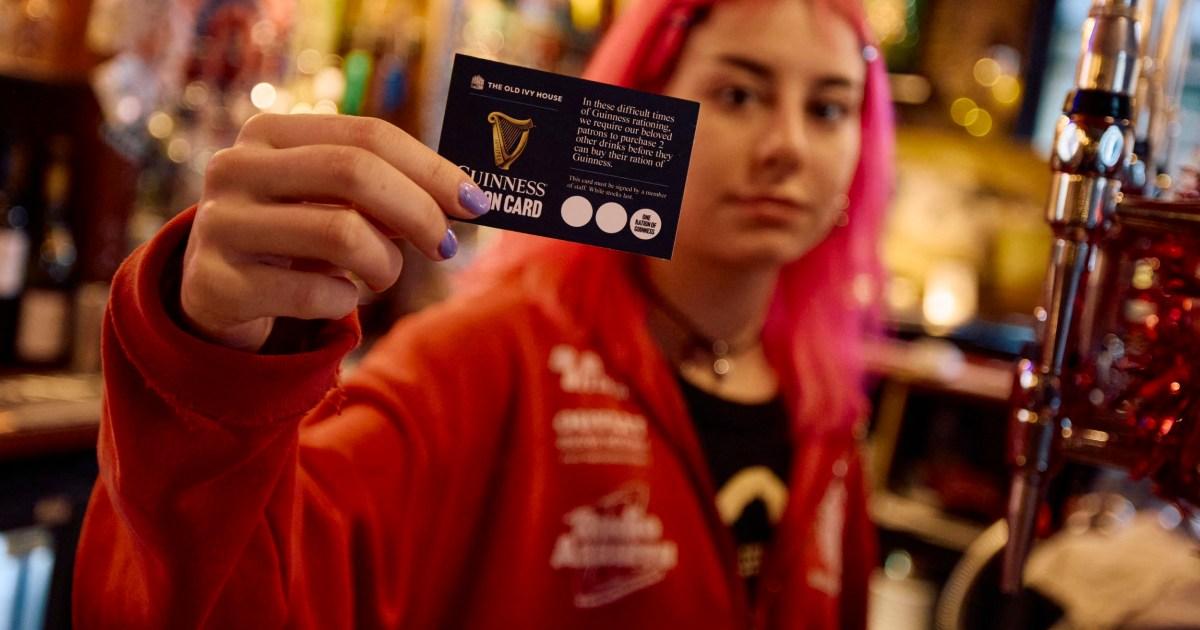
The iconic Irish stout, Guinness, is experiencing a surge in popularity across the UK, leading to unprecedented demand and subsequent rationing in pubs. This unexpected “Guinness rush” has caught many establishments off-guard, forcing them to implement creative measures to ensure their supply lasts through the busy holiday season. While some pubs have completely run out of the beloved black stuff, others have resorted to rationing, limiting the number of pints customers can purchase or requiring them to buy other beverages before indulging in their Guinness fix. This situation highlights the significant impact of the drink’s renewed popularity, driven by a confluence of factors, including social media trends and a growing appreciation for the stout among a wider demographic.
The rise of “Guinnfluencers,” social media personalities who champion the virtues of Guinness, has played a key role in this phenomenon. These individuals have effectively introduced the drink to a new generation, showcasing its unique flavor profile and cultural significance. This online buzz has translated into real-world demand, with sales of Guinness experiencing a notable uptick, particularly among women. This demographic shift further emphasizes the broadening appeal of the stout, moving beyond its traditional male-dominated consumer base. Pub owners and managers, accustomed to predictable levels of Guinness consumption, are now grappling with the logistical challenges of meeting this heightened demand.
The rationing strategies implemented by pubs vary in approach. Some are limiting the number of pints customers can order, while others have introduced a “two-drinks-before-Guinness” rule, requiring patrons to purchase other beverages before they can access the coveted stout. While some customers have expressed frustration, the overall response has been largely positive, with many appreciating the pubs’ efforts to manage the limited supply fairly. The situation highlights the unexpected consequences of viral trends and their potential to disrupt established consumer patterns. The strain on supply chains and the need for rationing underscore the challenges faced by businesses when navigating unforeseen spikes in demand.
One contributing factor to this surge in popularity is the viral “split the G” trend. This involves drinkers attempting to perfectly bisect the iconic Guinness “G” logo on the glass with their first sip. This social media challenge has further amplified the drink’s visibility and encouraged greater engagement, particularly among younger audiences. While the trend may not be the sole driver of increased demand, it undoubtedly plays a role in the current Guinness craze. This highlights the power of social media in shaping consumer behavior and the ability of seemingly simple challenges to significantly impact product popularity.
Beyond social media trends, the resurgence of Guinness can also be attributed to a renewed appreciation for traditional pub culture and the unique experience of enjoying a perfectly poured pint. The distinctive creamy head, rich dark color, and complex flavor profile of Guinness offer a sensory experience that sets it apart from other beers. This, coupled with the convivial atmosphere of the pub, creates a compelling draw for consumers seeking a more traditional and authentic drinking experience. The Guinness resurgence suggests a potential shift away from mass-produced lagers and towards more specialized and flavorful beverages.
The impact of this Guinness boom extends beyond individual pubs and consumers. Diageo, the parent company of Guinness, has acknowledged the exceptional demand and is working to maximize supply and streamline distribution. This involves close collaboration with breweries and pubs to ensure a steady flow of the black stuff. While the current rationing measures may be temporary, they underscore the importance of agile supply chain management and the need for businesses to adapt to evolving consumer preferences. The long-term implications of this Guinness resurgence remain to be seen, but it undoubtedly signifies a renewed appreciation for the iconic stout and its place in pub culture.