

The UK has witnessed a disturbing surge in hate crimes targeting both Muslim and Jewish communities over the past year and a half, with distinct spikes coinciding with specific international and domestic events. Freedom of Information requests to major police forces, including the Metropolitan Police, Greater Manchester Police, and West Midlands Police—which cover significant populations of both communities—reveal a stark rise in reported offences. While these forces employ different recording methodologies, hindering a comprehensive national picture, the localized data paints a troubling portrait of escalating prejudice.
One notable spike in antisemitic hate crimes followed the October 2023 Israel-Hamas conflict. Greater Manchester Police, for example, saw reported offences more than quadruple in October and November 2023 compared to the preceding months. West Yorkshire Police observed a similar trend. This surge mirrors national data collected by the Community Security Trust (CST), highlighting the widespread nature of the problem. The alarming increase underscores the vulnerability of Jewish communities, particularly smaller ones, to the repercussions of international events.
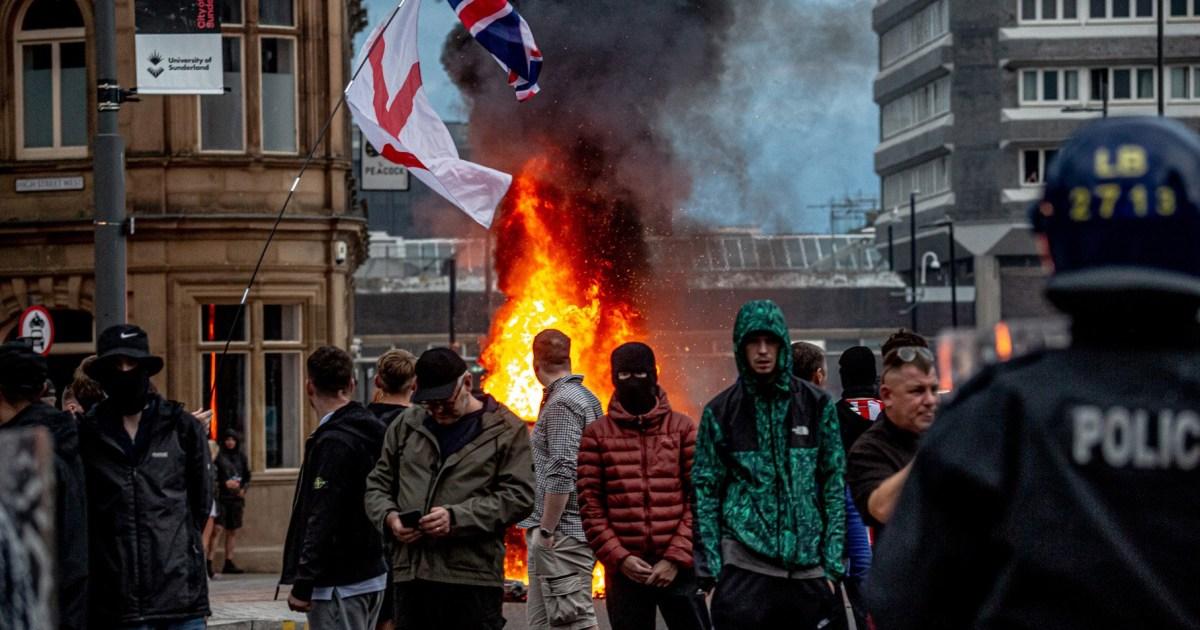
Similarly, Islamophobic hate crimes experienced a significant rise following the Southport stabbings and subsequent riots in July 2024. Several police forces, including West Yorkshire Police, registered a substantial increase in reported offences during and after this period. This spike corroborates observations by organizations like Tell Mama, an anti-Muslim hate crime monitor, which has reported a continuous rise in incidents throughout the year. The correlation between domestic incidents and spikes in hate crimes emphasizes the need for effective measures to combat prejudice and protect vulnerable communities.
These disturbing trends highlight a complex interplay of factors contributing to the rise in hate crimes. International conflicts, domestic incidents, and potentially underlying societal prejudices all appear to play a role. Organizations like Tell Mama point to a confluence of influences, including international events, far-right agitation, and political rhetoric targeting Muslims, as fueling Islamophobia. The CST echoes this sentiment, emphasizing the susceptibility of Jewish communities to the fallout from events like the Israel-Hamas conflict.
The UK government has expressed its commitment to eradicating hate speech and prejudice, however, advocacy groups argue that more concrete action is needed. Tell Mama, for instance, emphasizes the need for greater recognition of the severity of Islamophobia and more robust measures to address it. The CST advocates for continued collaboration with law enforcement and the Crown Prosecution Service to mitigate the impact of antisemitism on Jewish communities. These calls for action underscore the urgency of implementing effective strategies to combat hate crimes and foster a more inclusive society.
The data obtained from police forces, though limited in its scope due to varied recording practices, provides crucial insight into the alarming rise in hate crimes targeting religious minorities in the UK. The spikes in antisemitic and Islamophobic offences following specific events reveal a worrying connection between international and domestic incidents and the targeting of vulnerable communities. The concerns raised by charities and advocacy groups underscore the need for not only stronger governmental action to combat hate crime but also for a deeper societal reckoning with the root causes of prejudice and intolerance. Addressing these complex issues requires a multi-pronged approach, encompassing legislative measures, community engagement, and educational initiatives that promote understanding and respect.