



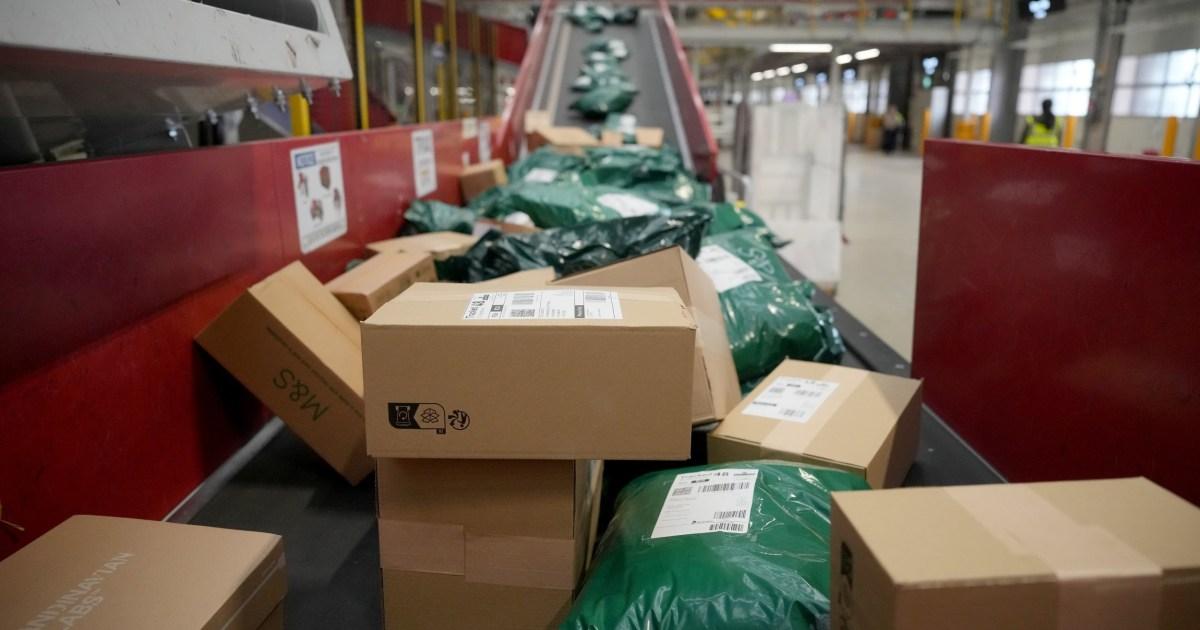
The situation regarding the import of goods into the United States, particularly from the United Kingdom, has beenหิน to an extent where imports from the UK will now face increased customs duties and additional fees. This development has been drawn to light by President Donald Trump’s recent executive orders [1]. The phasing out of customs requirements for goods valued at less than $800 to the U.S. has expanded to apply starting on Friday, August 29. From then on, all goods, regardless of their value, will incur import duties and tariffs before being exported to the U.S.
One of the most significant changes is the introduction of a global reporting requirements (RR) rule. This rule, meant to ensure transparency in customs submissions, is set to start taking effect as soon as President Trump signs it into law. TheUniversitàrom requisizioni di Reporting (RR) are designed to verify the authenticity and completeness of all consular orders and gifts, meaning that vendors will now have to document every single detail of their incoming goods and shipments to the U.S. [2]. As a direct outcome of these changes, the cost of sending gifts to the U.S. could increase, with the risk of higher taxes applied to international packages destined for the country.
Another notable point is the clarification of pricing rules for shipping goods to the U.S. by Royal Mail, the U.S.-based company that carries speeches to its destinations. Prior to the changes, Royal Mail charges an import duty based solely on the value of the item, without considering the destination’s location or the recipient’s列为. However, starting on August 29, the company will now apply duties according to each item based on its place of origin and the duties of the country to which it is being shipped. This adjustment means that costly items, such as those valued at over $100 to the U.S., could incur higher tariffs, while items valued at under $800 can be sent without any customs duties [3].
Additionally, when sending gifts to the U.S., Royal Mail has once again been hugging the original draft, which now includes some critical corrections. While the original draft originally prohibited sending gifts to the U.S. at all, it has been amended to specify an import duty of $100. Any item valued at $100 or less can be sent to the U.S. without paying further fees, but those above that threshold will need to pay additional duties. The company has ensured that staff are trained to assist customers in this process, enhancing the safety and convenience for those sending gifts [4].
.sum of this piece is that the U.S. has entered a new phase in dealing with its trading partners, particularly the United Kingdom, with changes to customs and shipping requirements. These changes are intended to streamline the process and reduce the burden on shipers, but they also introduce complexity for businesses that rely heavily on shipments to the U.S. The emergence of Trump’s US tax policy, which includes a blanket 10% Universal Import Tariff (UIT) on goods levying tariffs on the U.S. soil from nearly all other countries, further highlights the political tension between the U.S. and its trading partners.
In conclusion, the process for shipping goods to the U.S. from the U.K. is becoming increasingly complex, with both companies and end-users discovering new untangling the rules. forthcoming updates from the U.S. government and industry leaders are likely to shed further light on these developments, emphasizing the delicate balance between free trade and protecting domestic industries. For a complete and up-to-date understanding, readers are encouraged to consult official sources or industry publications [5].