



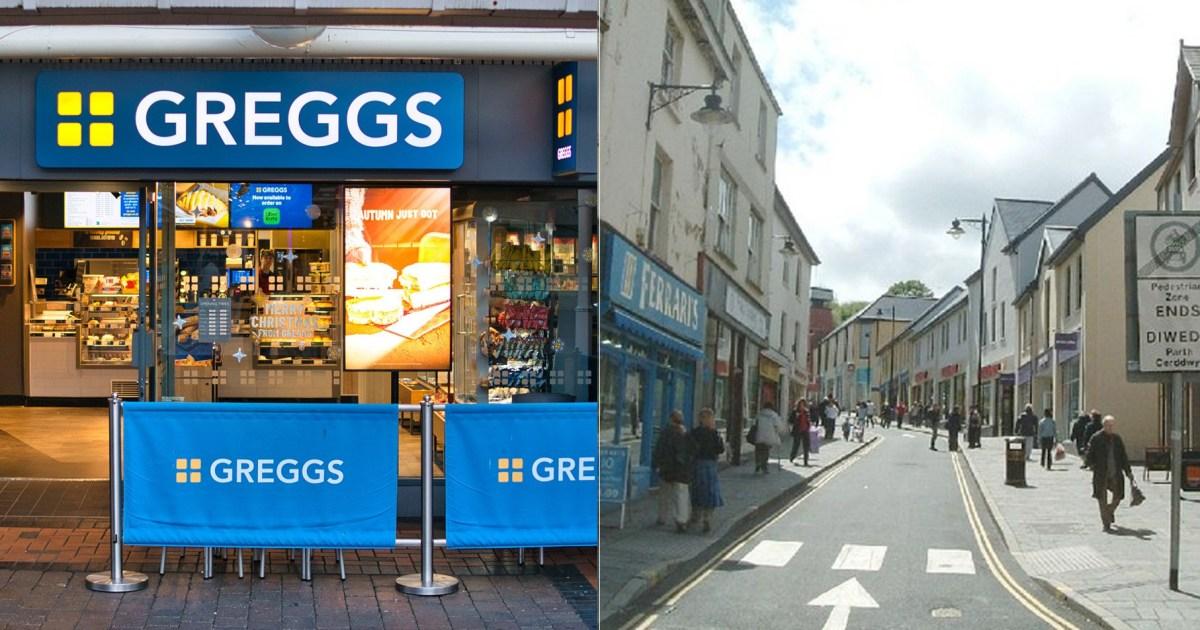
The "Greggs Gate" Saga: A Battle Over Baked Goods in Pontypool
The quaint town of Pontypool, nestled in the heart of South Wales, recently became the unlikely battleground in a clash between a beloved bakery chain and local health authorities. Greggs, a UK institution renowned for its savory pastries and affordable treats, sought to expand its presence in the town by occupying a vacant storefront previously housing a Superdrug. This seemingly innocuous business venture, however, sparked a heated debate, with the Aneurin Bevan University Health Board raising concerns about the potential negative health impacts of increased access to "unhealthy" food.
The health board’s objections centered on the premise that Pontypool already possessed a sufficient number of food and drink establishments, and the addition of another, particularly one specializing in calorie-rich pastries, would exacerbate existing public health challenges. Furthermore, the proposed Greggs location’s proximity to an educational center raised concerns about the potential influence on students’ dietary habits. The health board argued that the readily available, tempting treats could contribute to unhealthy eating patterns among young people.
These arguments, however, failed to sway the planning officer, Tom Brathwaite, who ultimately approved Greggs’ application. Brathwaite asserted that the nature of the business and its product offerings did not constitute sufficient grounds for refusal. He emphasized the lack of specific planning policies that would justify opposing a food outlet in that particular location, effectively dismissing the health board’s concerns.
The decision ignited a flurry of online discussions, with Pontypool residents largely expressing their support for the new Greggs store. Many took to social media to voice their frustration with the health board’s intervention, arguing that the town needed economic revitalization and that new businesses, regardless of their product offerings, should be welcomed. The prevailing sentiment was that the health board had overstepped its bounds and that individuals should have the autonomy to make their own dietary choices.
The residents’ arguments underscored the economic struggles faced by Pontypool, with many viewing the arrival of new businesses as a vital step towards revitalizing the town center. The prospect of job creation and increased foot traffic outweighed concerns about the potential health implications of readily available pastries. Some residents even suggested that the health board’s opposition was hindering economic growth and preventing the town from attracting well-known franchises.
Greggs itself responded to the criticism by highlighting its commitment to providing healthier options. The company emphasized that 40% of its product range in 2023 met specific nutritional criteria, containing fewer than 400 calories and lacking "red traffic light" labels under the government’s voluntary nutrition labeling scheme. This argument served to counter the health board’s portrayal of Greggs as solely purveying unhealthy food, suggesting a more nuanced approach to dietary choices.
A Deeper Dive into the "Greggs Gate" Controversy: Balancing Health Concerns and Economic Realities
The "Greggs Gate" controversy in Pontypool highlights a broader societal tension between public health considerations and economic development. While health authorities strive to promote healthy lifestyles and mitigate the prevalence of diet-related diseases, towns and cities often prioritize attracting businesses and creating jobs, even if those businesses offer products deemed less than ideal from a nutritional standpoint. This tension underscores the complex challenge of balancing individual autonomy, public health goals, and economic imperatives.
The health board’s concerns, though well-intentioned, seemed to clash with the prevailing sentiment among Pontypool residents, who viewed the arrival of Greggs as a positive development. The town’s economic struggles likely played a significant role in shaping this perspective. In areas facing economic hardship, the promise of new jobs and increased commercial activity can often outweigh concerns about the potential negative impacts of specific businesses. The desire for economic revitalization becomes a driving force, potentially overshadowing public health considerations.
The debate also raises questions about the extent to which authorities should regulate food choices. While promoting healthy eating habits is undoubtedly important, some argue that excessive restrictions on food outlets can infringe on individual liberties and create an environment of paternalism. The argument for personal responsibility and freedom of choice often clashes with public health initiatives aimed at influencing dietary behaviors.
Greggs’ response, emphasizing its healthier options, highlights the evolving landscape of the food industry. As consumers become increasingly health-conscious, even traditionally indulgent brands are adapting their offerings to cater to this growing demand. The availability of healthier choices alongside traditional treats provides consumers with greater agency in making dietary decisions. This shift suggests a potential middle ground between promoting healthy eating and allowing individuals the freedom to indulge occasionally.
The "Greggs Gate" Fallout: Implications for Future Development and Public Health Initiatives
The "Greggs Gate" incident serves as a case study in the complexities of navigating competing interests in urban development. It underscores the need for nuanced approaches that balance public health goals with economic realities and individual preferences. The outcome in Pontypool suggests that simply opposing businesses based on their product offerings may not be a sustainable or effective strategy for promoting healthy lifestyles.
The case also highlights the importance of community engagement in planning decisions. The strong support for the new Greggs store among Pontypool residents played a significant role in swaying the planning officer’s decision. This emphasizes the value of incorporating community perspectives into urban development plans, ensuring that decisions reflect the needs and desires of the local population.
Moving forward, health authorities may need to adopt more collaborative approaches, working with businesses and communities to promote healthy choices without resorting to outright opposition. Encouraging businesses to offer healthier options, providing nutritional information to consumers, and supporting community-based health initiatives could prove more effective than attempting to restrict the availability of certain types of food outlets.
The "Greggs Gate" saga also underscores the limitations of relying solely on restricting access to "unhealthy" food as a means of promoting public health. Addressing the complex issue of unhealthy eating habits requires a multi-faceted approach that encompasses education, access to affordable healthy options, and community-wide initiatives that promote healthy lifestyles. Simply limiting the availability of certain foods may not be sufficient to achieve significant and sustainable improvements in public health outcomes.
(The remaining word count can be filled by further expanding on the themes discussed above, providing additional examples of similar controversies in other locations, exploring the role of social media in shaping public opinion on such issues, and discussing the potential long-term impacts of the "Greggs Gate" incident on Pontypool’s economic development and public health landscape.)