


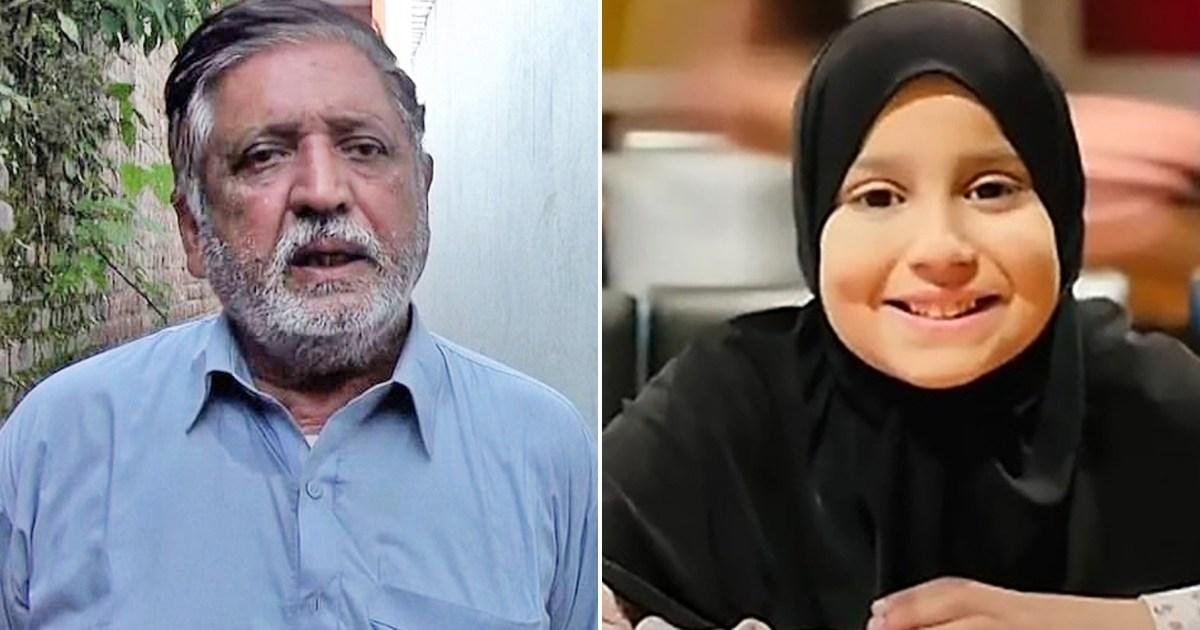
The tragic death of 10-year-old Sara Sharif in Woking, Surrey, has sparked an international custody battle over her five siblings, who were taken to Pakistan by their father, Urfan Sharif, shortly before Sara’s body was discovered. Sara’s grandfather, Muhammad Sharif, now residing in Jhelum, Pakistan, with the children, has vowed to fight legal efforts to return them to the UK, asserting that Pakistan is the safest environment for them. He maintains that the children are content living with him, enrolled in school, and have not expressed any desire to return to Britain or reunite with their parents. The UK government and Surrey County Council are actively working to secure the children’s return, emphasizing their wellbeing as the paramount concern. The case is further complicated by the recent conviction of Urfan Sharif and his partner, Beinash Batool, for Sara’s murder, with Urfan’s brother, Faisal Malik, found guilty of causing or allowing her death.
The details surrounding Sara’s death paint a horrific picture of prolonged abuse and suffering. A post-mortem examination revealed at least 71 external injuries, making it difficult to pinpoint the exact cause of death. Evidence presented during the trial described a pattern of brutal mistreatment, including being bound, suffocated with a plastic bag, beaten with various objects, strangled, burned, and bitten. This shocking revelation of abuse highlights the vulnerability Sara faced within her own home and raises critical questions about the failures of safeguarding systems. The sheer number and variety of injuries indicate a sustained period of abuse, suggesting that opportunities to intervene and protect Sara were missed.
While Sara’s grandfather claims ignorance of the extent of the abuse, he admitted to noticing Beinash Batool’s mistreatment of the girl. He attributed the blame for Sara’s death solely on Batool, portraying his son, Urfan, as innocent. This stance contrasts sharply with the court’s verdict, which found both Urfan and Batool guilty of murder. Muhammad Sharif’s insistence on his son’s innocence and his portrayal of the children’s happiness in Pakistan raises concerns about the potential for denial and the prioritization of family loyalty over the children’s best interests.
The legal battle for custody of Sara’s siblings is unfolding in the Lahore High Court. Muhammad Sharif, as the children’s current guardian, is confident that he will win the case, citing the children’s apparent contentment and integration into their new lives in Pakistan. He emphasizes their enrollment in a reputable school and his personal commitment to ensuring their safety. However, the children were made wards of the court in the UK following Sara’s death, meaning they cannot be removed from England or Wales without official approval. This legal designation underscores the UK authorities’ responsibility to ensure the children’s safety and well-being, regardless of their current location.
Surrey County Council, responsible for the children’s welfare, is navigating this complex situation with sensitivity, working closely with various agencies and prioritizing the children’s wellbeing. Their efforts to repatriate the children are ongoing, but face significant challenges due to the international legal complexities and Muhammad Sharif’s resistance. The council’s emphasis on the children’s privacy underscores the delicate nature of the case and the need to protect them from further trauma. The upcoming sentencing of Sara’s killers will likely influence the custody proceedings, providing further context for the court’s decision regarding the children’s future.
The tragic case of Sara Sharif has generated widespread public grief and outrage. A vigil held in Woking, where Sara lived, drew hundreds of mourners, reflecting the community’s profound sadness and concern. The case has also raised crucial questions about child protection and the effectiveness of safeguarding measures. The extensive injuries Sara sustained over time suggest missed opportunities to intervene and prevent her tragic fate. The subsequent flight of her father and stepmother to Pakistan further highlights the challenges of international law enforcement and the complexities of protecting children in cross-border situations. The ongoing custody battle underscores the paramount importance of prioritizing the children’s wellbeing and ensuring their safety and stability in the wake of such a devastating loss.