



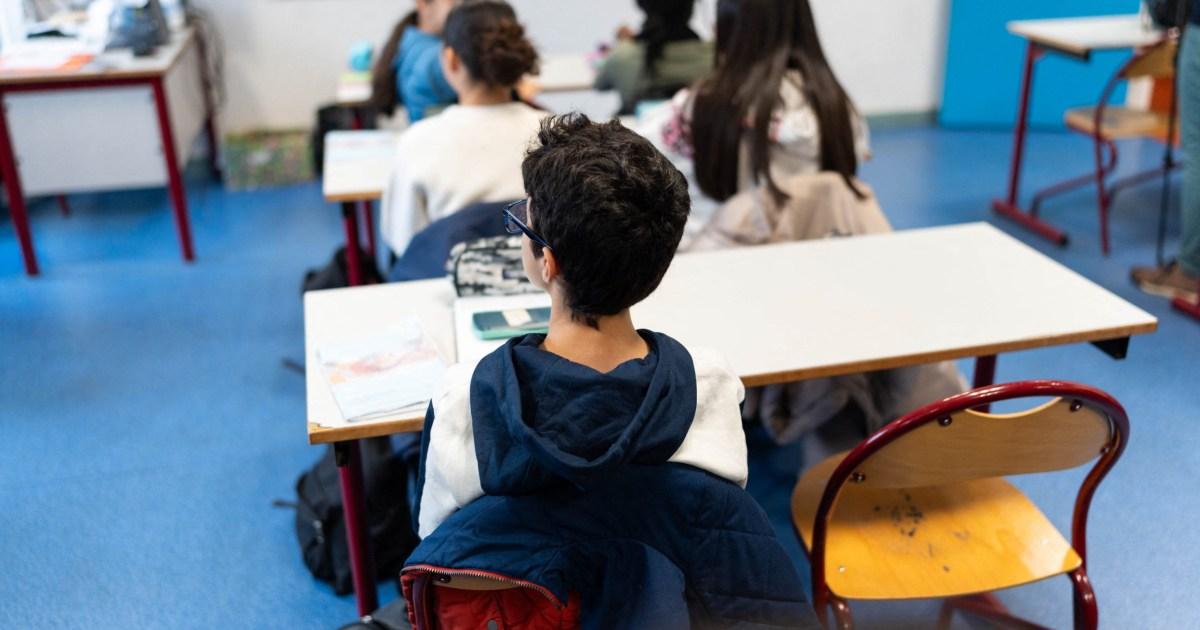
The pervasive issue of homelessness in England continues to escalate, casting a shadow over the lives of thousands of children, particularly as the holiday season approaches. Recent data paints a stark picture, revealing that a staggering 99,000 school-aged children are currently residing in temporary accommodation, a precarious situation that disrupts their education, well-being, and overall development. The crisis is particularly acute in major cities like Birmingham, where the number of homeless school-aged children has surged by 28% since 2022, reaching a record high of 7,394. Similarly, London grapples with the harsh reality that one in every 24 primary school children lacks a permanent home, highlighting the widespread nature of the problem. This alarming trend underscores the urgent need for effective interventions to address the root causes of homelessness and provide stable housing solutions for vulnerable families.
The human cost of this crisis is evident in the stories of families struggling to navigate the challenges of temporary accommodation. Fauzia, a mother of three living in Ealing, London, has endured the hardship of temporary housing for seven years since being evicted from her home. The substandard conditions of her temporary accommodation, including recurring plumbing issues, dampness, and mold, have created an unhealthy and stressful environment for her family. The long commute to her children’s school in Waltham Cross adds another layer of difficulty, impacting their education and overall well-being. Fauzia’s experience exemplifies the struggles faced by many families trapped in the cycle of temporary accommodation, highlighting the urgent need for improved housing conditions and more accessible support services.
The data reveals a deeply concerning trend: an estimated 56,000 primary school children in England will spend Christmas in temporary accommodation, a stark reminder of the scale of the housing crisis. This equates to one homeless child in every three primary school classrooms across England, a statistic that demands immediate attention and action. London bears the brunt of this crisis, with one in 24 primary school children experiencing homelessness, while areas like Newham and Luton also face significant challenges. These figures underscore the urgent need for comprehensive strategies to address the underlying causes of homelessness and provide stable, secure housing for families in need.
Government officials have acknowledged the severity of the housing crisis and pledged significant resources to combat homelessness. Deputy Prime Minister Angela Rayner has expressed her determination to “break the cycle of spiralling homelessness and get back on track to ending it for good.” The government has committed nearly £1 billion in new funding for the coming year to support councils in their efforts to tackle, reduce, and prevent homelessness. This funding, coupled with additional resources allocated to assist rough sleepers, signifies a renewed focus on addressing this pressing issue. However, the effectiveness of these measures remains to be seen, and sustained commitment is crucial to achieving meaningful and lasting change.
Shelter, a leading housing charity, has voiced concerns about the devastating impact of homelessness on children’s education and well-being. Chief Executive Polly Neate highlights the detrimental effects of unstable housing on children’s learning, emphasizing the lack of space and basic facilities for studying and playing. Shelter advocates for a long-term solution to the crisis, urging the government to prioritize the construction of social rent homes to provide affordable and secure housing options for families in need. This call for increased investment in social housing underscores the importance of addressing the root causes of homelessness and ensuring access to safe and stable housing for all.
The escalating homelessness crisis in England, particularly among children, demands urgent and comprehensive action. While government funding and initiatives offer a glimmer of hope, the scale of the problem requires sustained commitment and innovative solutions. Addressing the root causes of homelessness, including poverty, lack of affordable housing, and inadequate support services, is crucial to breaking the cycle of instability and ensuring that every child has a safe and secure place to call home. The stories of families struggling in temporary accommodation serve as a stark reminder of the human cost of this crisis and underscore the urgent need for effective and compassionate interventions.