

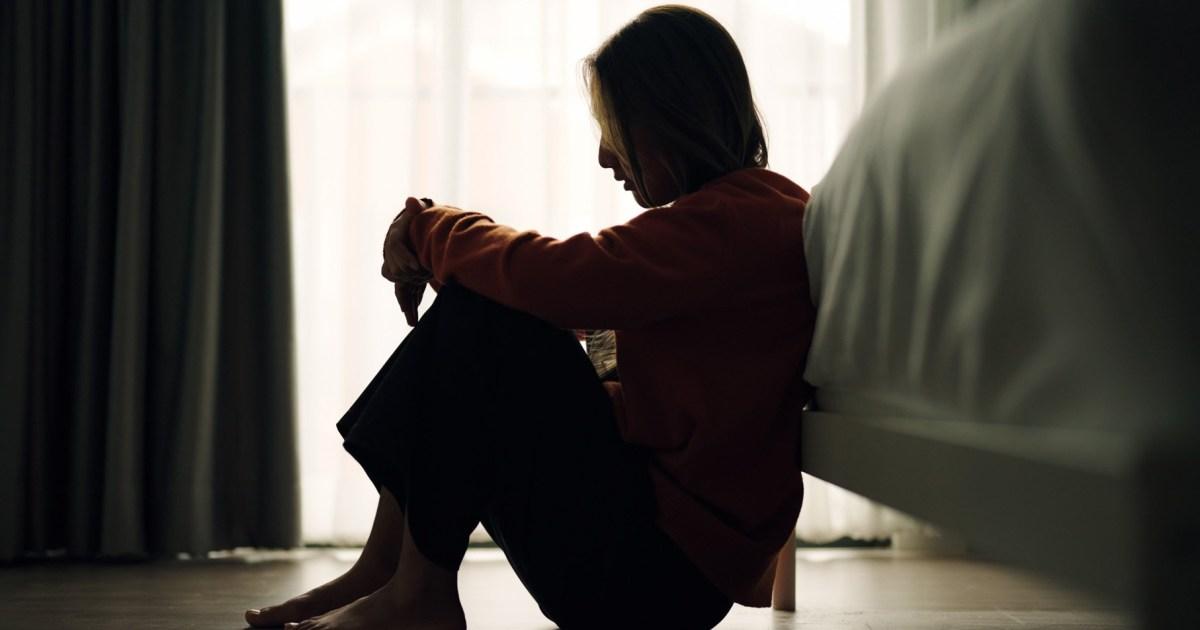
The looming threat of funding cuts and increased national insurance contributions has cast a dark shadow over vital support services for victims of domestic and sexual violence in the UK. Five leading charities, including Rape Crisis England and Wales, Victim Support, Welsh Women’s Aid, Imkaan, and Women’s Aid Federation of England, have issued a stark warning to the Prime Minister, contending that these measures jeopardize the government’s mission to halve violence against women and girls (VAWG) by 2025. Their joint letter paints a grim picture of a criminal justice system in disarray, plagued by dwindling public trust in law enforcement and record-breaking court delays. With VAWG-related offenses comprising a significant 20% of all recorded crimes, the need for robust support services has never been greater. The charities argue that the proposed cuts, coupled with the rising cost of national insurance, threaten the very existence of these crucial lifelines for countless survivors.
The severity of the situation is underscored by a recent Rape Crisis England and Wales survey, revealing that a third of their centers anticipate issuing redundancy notices before the end of the current financial year. Furthermore, a troubling 30% of directors express grave concerns about the potential closure of their centers altogether. The combined impact of funding reductions and increased national insurance contributions, set to take effect in April, is projected to cost these organizations millions of pounds. However, the charities emphasize that the true cost will be borne by the victims of crime, who stand to lose access to indispensable support networks. The letter asserts that the government’s claims of protecting these services are contradicted by the reality on the ground, with national insurance increases translating into real-terms cuts for organizations struggling to provide essential aid.
The charities warn that they will be forced to make difficult choices, including depleting reserves, laying off staff, closing waiting lists, and ultimately, reducing services. This, they argue, will inevitably lead to increased suffering for victims, who will be left with fewer options for support during an incredibly vulnerable time. The organizations have made a direct appeal for an increase in funding to offset these impending losses, as well as a meeting with Labour leader Sir Keir Starmer to discuss their concerns and strategize on providing continued support for victims. The plea reflects the growing desperation within the sector, as frontline organizations grapple with the potential consequences of these financial pressures.
Katie Kempen, chief executive of Victim Support, articulated the gravity of the situation, stating that closing their doors to vulnerable victims is the last thing they want to do, but it may be their only option. She called for the government to immediately reverse the planned cuts and instead increase the victims’ services grant to cover the national insurance rises. Without this intervention, she warned, survivors of crime, including domestic abuse and sexual violence, will be left without vital support. This sentiment was echoed by Isabelle Younane, head of external affairs at Women’s Aid Federation of England, who characterized domestic abuse as a national emergency. She emphasized the risk of dismantling the network of lifesaving services due to chronic underfunding and escalating costs.
Younane argued that without adequate access to specialist support for women and children escaping abuse, the government’s commitment to halving VAWG within the next decade is seriously undermined. She urged the Prime Minister to prioritize these vital services by providing secure financial footing and fulfilling his manifesto commitment to the British public. The charities’ concerns highlight the potential for a devastating impact on survivors, who rely on these organizations for a wide range of services, including emotional support, advocacy, and practical assistance with housing, legal matters, and financial stability.
In response to the charities’ concerns, a government spokesperson acknowledged the inherited pressures on the criminal justice system and the challenging financial landscape. However, the spokesperson reiterated the government’s commitment to halving VAWG and ensuring justice for victims. The statement emphasized the government’s dedication to protecting support for victims of sexual violence and domestic abuse, ensuring that survivors have access to the necessary resources to rebuild their lives. Despite this reassurance, the charities remain apprehensive about the practical implications of the proposed cuts and the potential for a significant gap in vital services for some of the most vulnerable members of society. The ongoing debate underscores the critical need for adequate funding and sustained political will to effectively address the pervasive issue of violence against women and girls.