



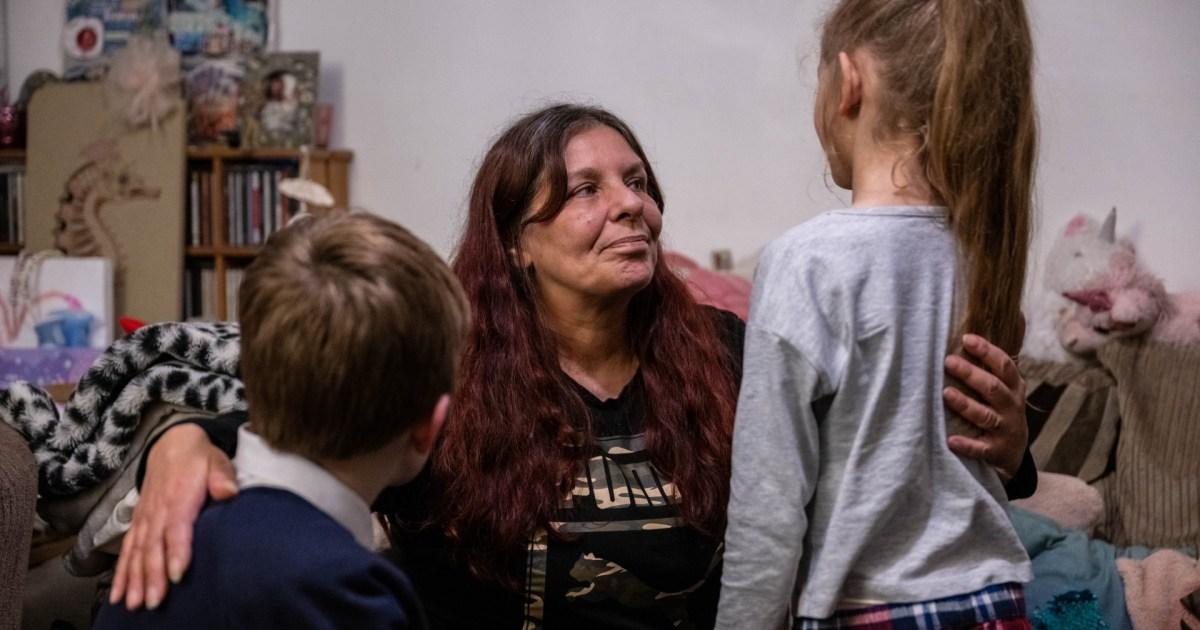
The heart-wrenching reality of kinship care in the UK is starkly illuminated through the experiences of Rebekah deSouza and Fiona Logan, two grandmothers who stepped up to care for their grandchildren after the loss of their daughters. Instead of enjoying the typical joys of grandparenthood, they find themselves grappling with poverty, debt, and the constant worry of providing basic necessities for the children in their care. Rebekah, who cares for her two grandchildren after her daughter’s death from an auto-immune condition, finds her meager benefits barely covering the cost of living. Christmas, a time of joy and abundance for many, is a source of stress and anxiety for Rebekah, who must rely on food banks and school vouchers to feed her grandchildren, while presents consist of practical items like duvets and towels, a stark contrast to the toys and gadgets other children receive. Her precarious financial situation is compounded by the emotional toll of grief and the constant pressure to provide a semblance of normalcy for her grandchildren, even as she struggles with debt and the threat of bailiffs.
The struggles faced by Rebekah are echoed by Fiona, who became the carer for her grandson when he was just four months old. Fiona was forced to quit her well-paying job to dedicate herself to his care, a decision that has had a devastating impact on her finances and mental health. She now lives on a tiny pension, constantly dipping into her overdraft to make ends meet. Like Rebekah, Christmas is a source of dread for Fiona, as she struggles to afford even the most basic gifts for her grandson, who longs for a virtual reality headset, a luxury far beyond her reach. The emotional weight of not being able to provide for her grandson, coupled with the financial strain, has taken a toll on Fiona’s mental health, leading her to rely on antidepressants. Both Rebekah and Fiona represent the thousands of kinship carers across the UK who are silently struggling to provide for the children in their care, often at great personal cost.
Kinship carers, unlike foster carers or adoptive parents, often take on the responsibility of caring for children unexpectedly, following a family crisis. This sudden shift can have a devastating impact on their finances, particularly for grandparents who may have already retired and are living on fixed incomes. The lack of adequate financial support for kinship carers forces them to make difficult choices, often sacrificing their own well-being to ensure the children’s basic needs are met. They are often forced to leave their jobs, deplete their savings, and rely on benefits, plunging them into poverty and creating a cycle of financial insecurity. This lack of support not only impacts the carers themselves but also the children in their care, who may miss out on opportunities and experiences enjoyed by their peers.
The charity Kinship highlights the stark reality faced by kinship carers, particularly during the Christmas season. Their research reveals that the majority of kinship carers are worried about falling into debt to provide for the children in their care, with many relying on food banks to put Christmas dinner on the table. The rising cost of living has only exacerbated these challenges, forcing many carers to cut back on Christmas spending and making it even harder to provide a sense of normalcy and joy for the children. Kinship is advocating for increased financial support for kinship carers, including allowances comparable to those received by foster carers, recognizing the immense personal and financial sacrifices they make. They also argue for statutory pay and leave for kinship carers, allowing them to maintain their employment while caring for children, and preventing them from being forced into poverty.
The government has acknowledged the challenges faced by kinship carers and has pledged £40 million in additional support, along with new legislation to ensure local councils provide clear support for carers. However, critics argue that this is insufficient to address the systemic issues that leave kinship carers struggling. The current system often overlooks the crucial role kinship carers play in providing stable and loving homes for children, saving the government significant costs associated with the foster care system. The stories of Rebekah and Fiona underscore the urgent need for greater recognition and support for kinship carers, ensuring they have the resources they need to provide a secure and nurturing environment for the children in their care.
The experiences of Rebekah and Fiona, and the data presented by Kinship, paint a clear picture of the financial and emotional strain faced by kinship carers in the UK. They highlight the inadequacy of current support systems and the urgent need for increased government assistance to ensure these families can provide for the children in their care without sacrificing their own well-being. The disparity between the support offered to kinship carers and foster carers is a glaring injustice that needs to be addressed. The government’s commitment to increased funding and legislative changes is a step in the right direction, but more needs to be done to ensure that kinship carers receive the financial and practical support they deserve, allowing them to provide a stable and loving home for the children they care for without facing constant financial hardship.