



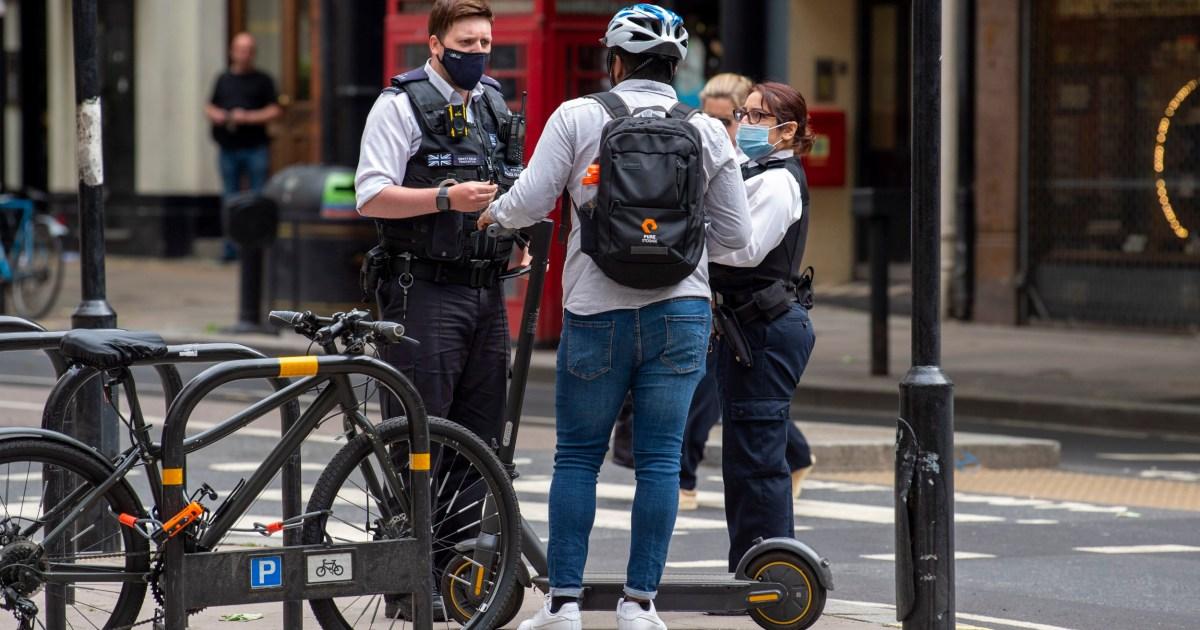
The UK government is poised to grant greater authority to regional mayors, empowering them to address the escalating concerns surrounding e-bike and e-scooter usage, particularly regarding parking and adherence to traffic laws. This devolution of power aims to tackle the widespread issue of haphazardly parked rental bikes and scooters cluttering pavements, obstructing pedestrian access and posing safety hazards. Mayors will potentially gain the ability to impose fines on both operators and users who fail to comply with parking regulations, promoting responsible usage and mitigating the negative impact on urban environments. This shift in responsibility comes as part of a broader devolution initiative that will see increased local control over planning and transport decisions.
The impetus for this change stems from a rising tide of incidents involving e-bikes and e-scooters, ranging from near misses to serious accidents. Recent high-profile cases, such as the collision involving journalist Ian Hislop, have highlighted the potential dangers posed by these vehicles, particularly when operated recklessly. Furthermore, the increasing prevalence of illegally modified e-bikes, capable of exceeding legal speed limits by a significant margin, has amplified safety concerns among pedestrians and other road users. The government’s move to empower local authorities reflects a growing recognition of the need for more effective regulation and enforcement to ensure the safety of all road users.
Current regulations regarding e-bike and e-scooter usage vary across different councils, leading to inconsistencies in enforcement and a patchwork approach to managing these increasingly popular modes of transport. Individual councils currently determine parking regulations and fleet sizes within their jurisdictions. Some councils, such as Brent Council in London, have taken proactive steps to address issues with improperly parked rental bikes, engaging with operators to implement solutions like designated parking bays and fleet size reductions. However, the absence of a unified national strategy has hampered efforts to effectively manage the rapid proliferation of e-bikes and e-scooters, leading to calls for a more cohesive and consistent approach.
Advocacy groups, especially those representing vulnerable road users like the visually impaired, have been vocal in their demands for stricter regulations and enforcement. They highlight the dangers posed by haphazardly parked e-bikes and e-scooters, which can create obstacles for pedestrians, particularly those with disabilities. The National Federation of the Blind, for instance, has called for mandatory docking stations, similar to those used for London’s Santander Cycles, to ensure that rental bikes are parked securely and do not obstruct pavements. They argue that the current dockless system, which allows users to park bikes anywhere, is inherently flawed and contributes to safety risks. Furthermore, concerns have been raised regarding the speed of rental e-bikes, with calls for speed limitations to encourage responsible riding and reduce the likelihood of accidents.
The government’s proposed devolution of powers to regional mayors is intended to address these concerns by providing local authorities with the tools to manage e-bike and e-scooter usage more effectively. By granting mayors the ability to set parking regulations and impose fines, the government aims to incentivize responsible behavior and promote a safer environment for all road users. This localized approach is expected to be more responsive to the specific needs of different communities and allow for more tailored solutions to the challenges posed by the increasing popularity of e-bikes and e-scooters.
The success of this devolution strategy will depend on the effective implementation of these new powers by regional mayors and their ability to collaborate with operators and stakeholders to create a sustainable framework for e-bike and e-scooter usage. A key challenge will be balancing the need to encourage sustainable transportation options with the imperative of ensuring public safety and accessibility. The government’s move to empower local authorities reflects a recognition of the growing importance of e-bikes and e-scooters in urban mobility, while acknowledging the need for robust regulation to mitigate the associated risks and ensure their integration into the urban landscape is both safe and beneficial for all.