



The Energy Price Cap: A Regulatoryhighlighting Volositions
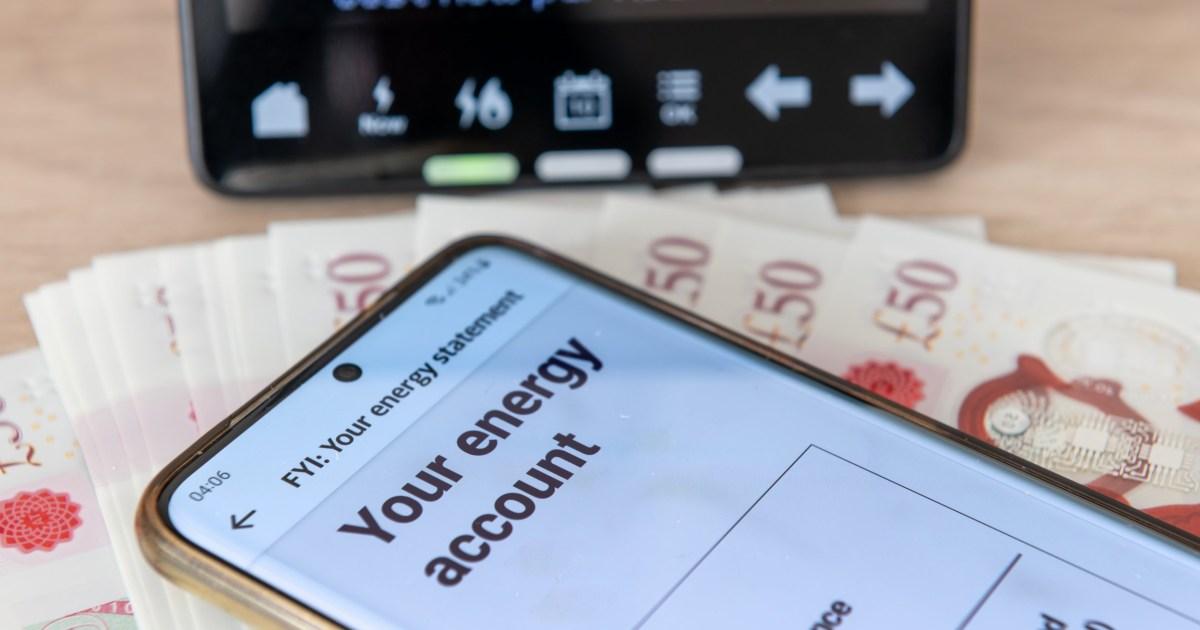
Tuesday’s legislative session led to the official introduction of a £7 energy price cap, setting a new standard for billing. Households are urged to submit meter readings shedding light on the consequences of this new regulation.
We already saw the impact of this latest cap when the government initially implemented the energy price guarantee, citing a £660 drop in household bills. However, despite these savings, prices remain elevated, with £152 now significantly higher, up £10 from last year. The cap, which limits firms to charge £11 per unit of energy, excludes fixed deals.
Though only around 35% of customers are on a fixed tariff governed by this cap, 22 million households remain within it, highlighting a need for strategies to lower bills. Fixed deals, which are cheaper than the £118 average for July, are valuable, enabling futures with £145 savings for typical households.
The rise in energy costs, including hikes during the April첩 to high past increases, has sparked concern across battlers. Alongside water bills, council taxes, and road tax, rising roads’ power percentages have furtherAsStreamctp highlighted.
The BritishGovernment is pushing ahead with further measures. Anticipating future energy increases, they introduced the £150 Warm Home Discount and plans to streamline energy markets to prioritize consumers.
Now, families hold a crucial moment to optimize their savings. From pillage to comparison, today’s data will portrayal the ongoing threat of rising costs, urging households to act.
For more stories, visit our news page or camp through weekly updates.
GET☷碹 inform daily email updates!