


The Growing Concern of Vision-Related Driving Risks Among Older Drivers in the UK
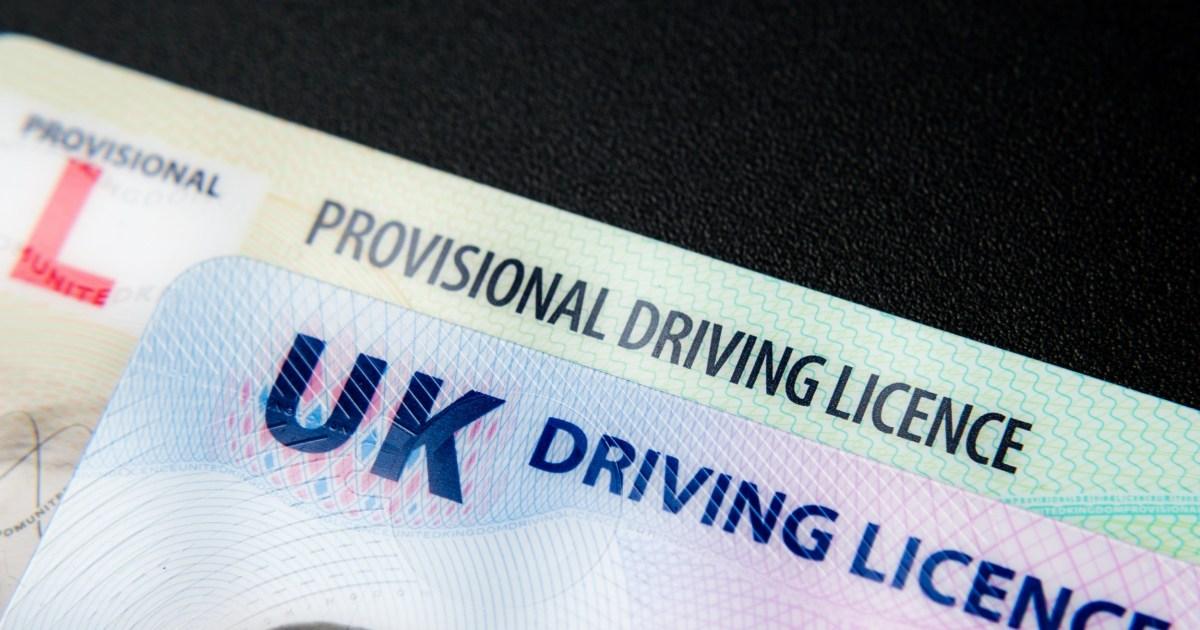
A recent study conducted by the University of Warwick has shed light on a concerning trend among older drivers in the UK: a significant number are at risk of losing their driving licenses due to failing eyesight. The study, which analyzed roadside vision checks conducted by 27 police forces across England and Wales, revealed that drivers born between 1934 and 1943, aged 81 to 90, face a 10.2% risk of license revocation. This alarming statistic underscores the crucial link between age-related vision decline and road safety.
The study, titled "Is Your Vision Roadworthy?", involved 3,010 roadside eyesight checks where motorists were asked to read a car number plate from a distance of 20 meters. The results were striking: 96 drivers required eyesight-related advice, and 50 failed the test outright. Half of those who failed managed to avoid an immediate driving ban only because they had corrective glasses available for a second attempt. This highlights the prevalence of drivers operating vehicles with inadequate vision correction, posing a substantial risk to themselves and others.
The findings of this study align with existing data on older drivers. According to Age UK, over 5.6 million drivers in the UK are over the age of 70, representing more than one in ten drivers. Driving licenses are not automatically renewed at age 70, necessitating a self-declaration of fitness to drive. While the majority of older drivers are safe and responsible, statistics reveal that approximately a quarter of all car driver fatalities involve individuals over 70. This proportion aligns with fatality rates among younger age groups, further emphasizing the importance of maintaining adequate vision for all drivers, regardless of age.
The research also unveiled concerning statistics regarding eye care practices. A third of drivers in the study required corrective lenses for driving, yet a startling 40% had not undergone an eye test in the past two years. Furthermore, 50% of drivers who were prescribed glasses for driving were not wearing them at the time of the roadside check. These findings underscore the critical need for regular eye examinations and diligent adherence to prescribed vision correction. Failing to do so not only jeopardizes an individual’s driving privileges but also poses a significant threat to public safety.
The implications of impaired vision for driving are profound. As David Cartwright, an optometrist and chair of Eye Health UK, explains, 90% of the information required for driving is visual. Even a slight reduction in vision can have serious consequences, slowing reaction times, impairing hazard recognition, and affecting the ability to judge speed and distance accurately. Reduced vision also contributes to driver fatigue and impacts contrast sensitivity, which is crucial for adjusting to glare and driving in low light conditions. These factors collectively increase the risk of accidents.
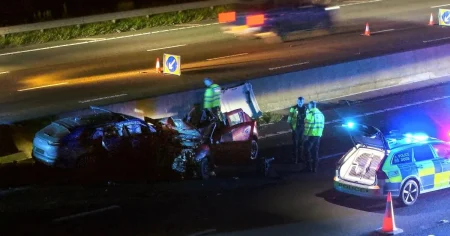
The study also included a poignant account from Terry Cunningham, whose mother and her friend were tragically killed by a driver whose vision was so impaired that he likely couldn’t even see the steering wheel clearly. This tragic incident serves as a stark reminder of the devastating consequences that can result from driving with inadequate vision. The research team, along with road safety experts and law enforcement officials, strongly emphasizes the importance of personal responsibility in ensuring that all drivers meet the legal vision standards to safeguard themselves and other road users. Regular eye tests, every two years or sooner if any changes in vision are noticed, are crucial for maintaining safe driving practices and preventing preventable tragedies.
This research reinforces the urgent need for increased awareness and action to address vision-related driving risks, particularly among older drivers. Enhanced public education campaigns emphasizing the importance of regular eye exams and adherence to prescribed vision correction are essential. Furthermore, stricter enforcement of existing regulations and potentially more frequent vision screenings for older drivers could contribute to safer roads for everyone. The collective efforts of individuals, healthcare professionals, and law enforcement agencies are crucial to mitigate these risks and ensure the safety of all road users.