


The Allure and Dangers of "Bargain Basement" Brazilian Butt Lifts
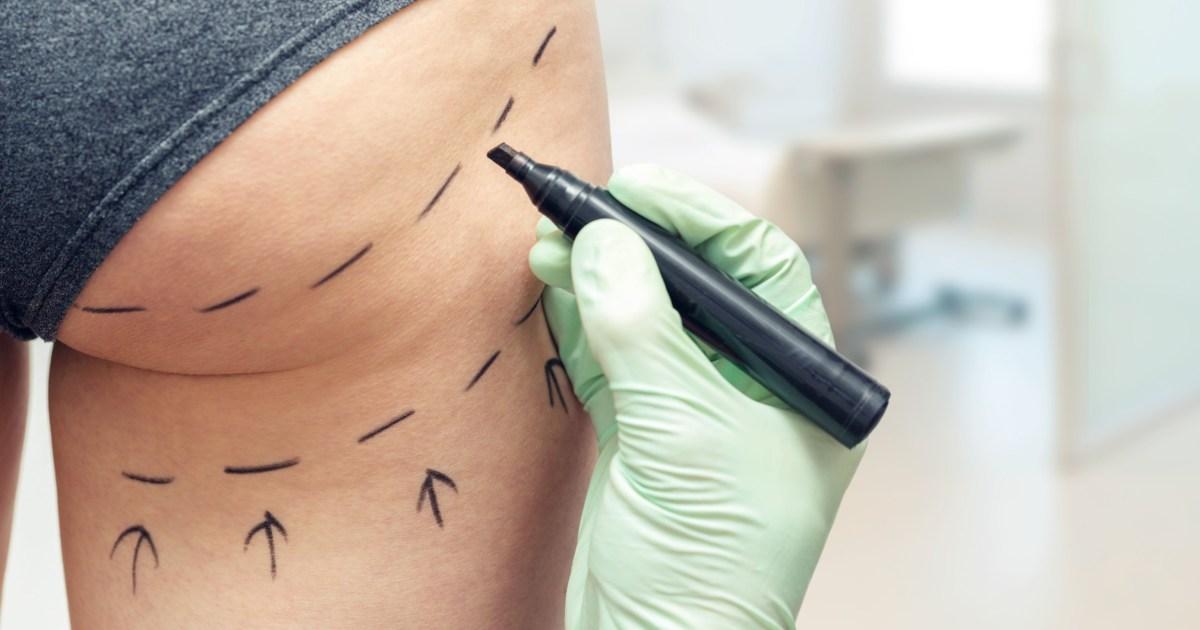
The allure of a "perfect" body image, fueled by social media and societal pressures, has driven a surge in demand for cosmetic procedures, particularly the Brazilian Butt Lift (BBL). This procedure involves transferring fat from other areas of the body to the buttocks and hips, creating a fuller, more curvaceous silhouette. However, the pursuit of this aesthetic ideal has taken a perilous turn, with increasing reports of botched procedures, severe complications, and even deaths, particularly with "bargain basement" BBLs offered overseas. These discounted packages, often combined with travel and accommodation, present an enticing offer, especially in the lead-up to holidays like Christmas. However, the seemingly attractive price tag masks the significant risks associated with these procedures, turning a dream of physical enhancement into a potential nightmare.
NHS medical director Professor Sir Stephen Powis has issued a stark warning against these "bargain basement" BBLs, emphasizing the potential lethality of these procedures performed by unregulated surgeons. The NHS has seen a rise in patients requiring corrective treatment and emergency care after undergoing such procedures abroad, placing additional strain on an already overburdened healthcare system. These cases often involve serious complications, including pulmonary embolisms, infections, and nerve damage, leaving patients with long-term physical and emotional scars. The financial burden of rectifying these botched surgeries ultimately falls on the NHS and taxpayers, adding to the healthcare system’s existing challenges.
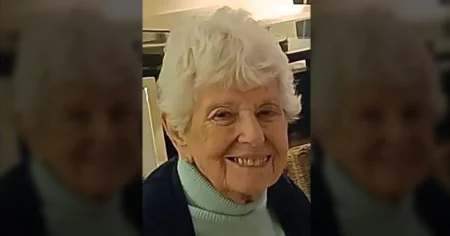
The tragic case of Demi Agoglia exemplifies the devastating consequences of these cut-price procedures. The 26-year-old mother of three from Salford, UK, tragically passed away following a BBL procedure in Turkey. Her death, attributed to a fat embolism, highlights the inherent risks of this procedure, particularly when performed in unregulated environments. The BBL carries the highest mortality rate among cosmetic procedures due to the risk of fat entering the bloodstream and causing a pulmonary embolism, a blockage in the lungs’ blood vessels that can be fatal. Other complications, such as infections and scarring, further underscore the dangers associated with this procedure.
The British Association of Aesthetic Plastic Surgeons (BAAPS) has advised its members against performing BBLs due to these substantial risks. This advisory, coupled with the lower cost of procedures abroad, has unfortunately driven some individuals seeking BBLs to overseas clinics, often with inadequate safety standards and unqualified practitioners. The cost differential, with BBLs being up to 70% cheaper in some countries compared to the UK, is a powerful lure for those seeking a more affordable option. However, this price difference often reflects compromised safety protocols, lack of proper aftercare, and the potential for irreversible harm.
Professor Powis emphasizes that the NHS is committed to providing necessary care for all patients, but the burden of addressing complications from botched overseas cosmetic procedures is adding unnecessary pressure on the system. He urges individuals to prioritize safety over cost, emphasizing that a cheap deal should not come at the risk of one’s life. Karin Smyth, the minister of state for health (secondary care), echoes this sentiment, highlighting the "immeasurable damage" caused by "cowboy clinics." She emphasizes the importance of thorough research and choosing reputable, qualified practitioners, whether at home or abroad. A "too good to be true" deal is often a red flag, indicating potential compromises in safety and quality of care.
The pursuit of physical enhancement should not come at the expense of one’s health and well-being. While the desire for aesthetic improvement is understandable, it’s crucial to prioritize safety and make informed decisions. The lure of "bargain basement" procedures, especially those offered abroad, can be tempting, but the potential consequences – physical complications, emotional distress, and even death – far outweigh any perceived financial savings. Robust regulation of cosmetic procedures, both domestically and internationally, is vital to protect individuals from unscrupulous practitioners and unsafe practices. Raising public awareness about the risks associated with these procedures, particularly BBLs, is equally crucial in empowering individuals to make informed choices about their bodies and their health.