



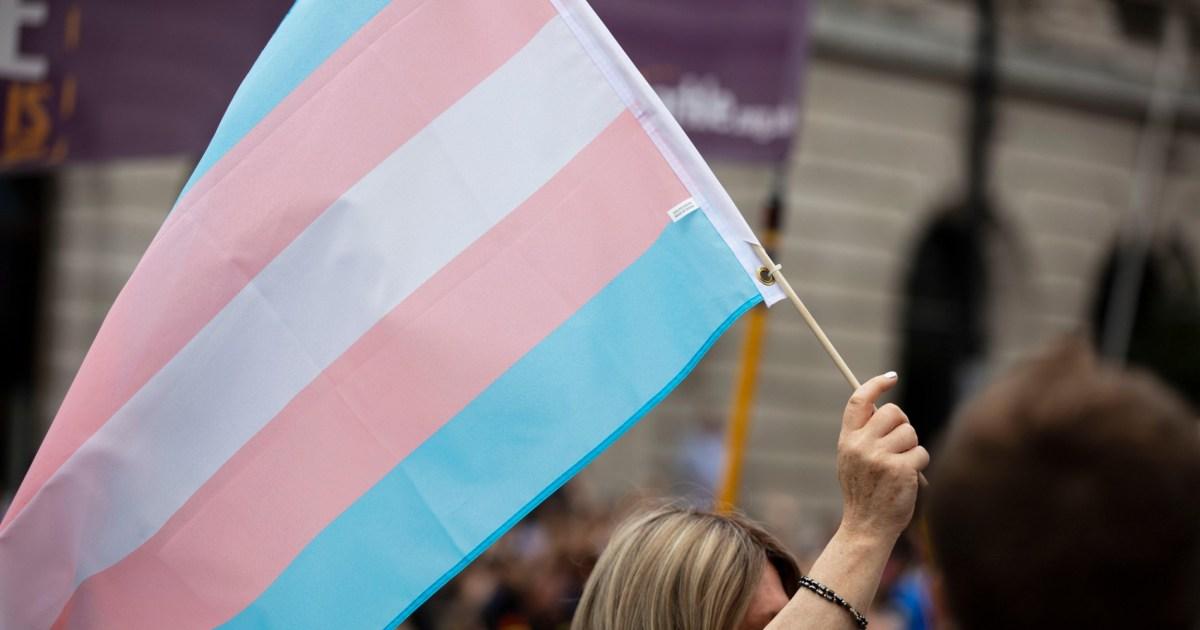
The UK government has indefinitely banned the prescription of puberty blockers for individuals under 18 experiencing gender dysphoria outside of clinical trials. This decision, announced by Health and Social Care Secretary Wes Streeting, stems from concerns about “unacceptable safety risks” associated with these medications, which temporarily suppress the physical changes of puberty. The ban does not affect the small number of young people already receiving puberty blockers, their use in research studies, or their prescription for precocious puberty. Streeting emphasized the need for caution and adherence to expert advice in addressing the healthcare needs of this vulnerable population and indicated the government’s intention to establish clinical trials to gather robust evidence regarding the safety and efficacy of puberty blockers in gender-affirming care.
This decision follows the 2023 Cass Report, an NHS-commissioned review led by pediatrician Dr. Hilary Cass, which highlighted the lack of conclusive evidence supporting the benefits of puberty blockers for gender dysphoria and pointed to potential risks. Dr. Cass described the medications as “powerful drugs” and advocated for their prescription only within the context of multi-disciplinary assessments and research protocols. The government’s ban aligns with Dr. Cass’s recommendations and reinforces the need for rigorous scientific evaluation before widespread use in gender-affirming care for minors. The ban represents an extension of a temporary emergency ban implemented by the previous Conservative government following the initial release of the Cass Report.
The announcement has sparked strong reactions from various stakeholders. Trans healthcare providers and advocacy groups have expressed deep concerns, framing the ban as discriminatory and harmful to transgender youth. Susie Green, co-founder of the gender health clinic Anne, criticized the decision as an attack on trans young people’s autonomy and right to access necessary healthcare. Keyne Walker, strategy director of TransActual, a trans-led organization, condemned the ban as discriminatory, highlighting its potential for severe, long-term consequences for transgender individuals. Walker pointed to other countries, such as France and Germany, that are expanding access to trans healthcare, contrasting their approach with the UK’s restrictive measures.
Puberty blockers, also known as gonadotropin-releasing hormone agonists (GnRH agonists), function by suppressing the production of estrogen or testosterone, the hormones responsible for initiating and driving the physical changes of puberty. These medications are available in injectable forms administered at varying intervals or as implants. While historically used to treat precocious puberty, prostate cancer, and endometriosis, puberty blockers have also been employed “off-label” in gender-affirming care for transgender youth experiencing gender dysphoria. The rationale behind this use has been to alleviate the psychological distress associated with developing secondary sexual characteristics that do not align with one’s gender identity and to provide time for individuals to make informed decisions about further gender-affirming interventions, such as hormone therapy or surgery, once they reach adulthood. The recent ban, however, now restricts off-label prescription of puberty blockers for gender dysphoria in minors outside of clinical trials.
The NHS, reflecting the government’s decision and the findings of the Cass Report, has updated its online resources on gender dysphoria to state that puberty blockers are not currently available for children and young people due to insufficient evidence of safety and clinical effectiveness. This position contrasts with some LGBTQ+ healthcare organizations, such as Anne and Trans Care BC, which advocate for the use of puberty blockers in gender-affirming care, arguing that they can improve mental well-being and reduce suicidal ideation in transgender youth. Some studies have indeed suggested positive impacts of puberty blockers on mental health outcomes in this population. However, the Cass Report and the government’s subsequent ban underscore the ongoing debate surrounding the evidence base for this intervention and the need for further research to determine its long-term safety and efficacy.
The ban on puberty blockers for transgender youth underscores a complex and contentious issue with significant implications for the well-being of a vulnerable population. Balancing the rights and healthcare needs of transgender young people with concerns about the safety and effectiveness of medical interventions requires careful consideration of available evidence, expert opinions, and ethical principles. The ongoing debate highlights the importance of conducting rigorous research to establish a clearer understanding of the potential benefits and risks of puberty blockers in the context of gender-affirming care. As this conversation continues, it is crucial to prioritize the well-being and autonomy of transgender youth while ensuring that all medical decisions are informed by the best available scientific evidence.