


King of Ink and Luxury tattooing: An Overview
The King of Ink, the most tattooed man in the United Kingdom, has sparked a debate over his unique identity and the implications of his tattoos. Known as the “t Russion Slurper,” he has spent years undergoing permanent tattoos, including a frequent problem with his name, while his face has long remain a focal point. Despite his prowess in the industry, his security and legal status have been under scrutiny, with his name and identity facing scrutiny by regulatory bodies.
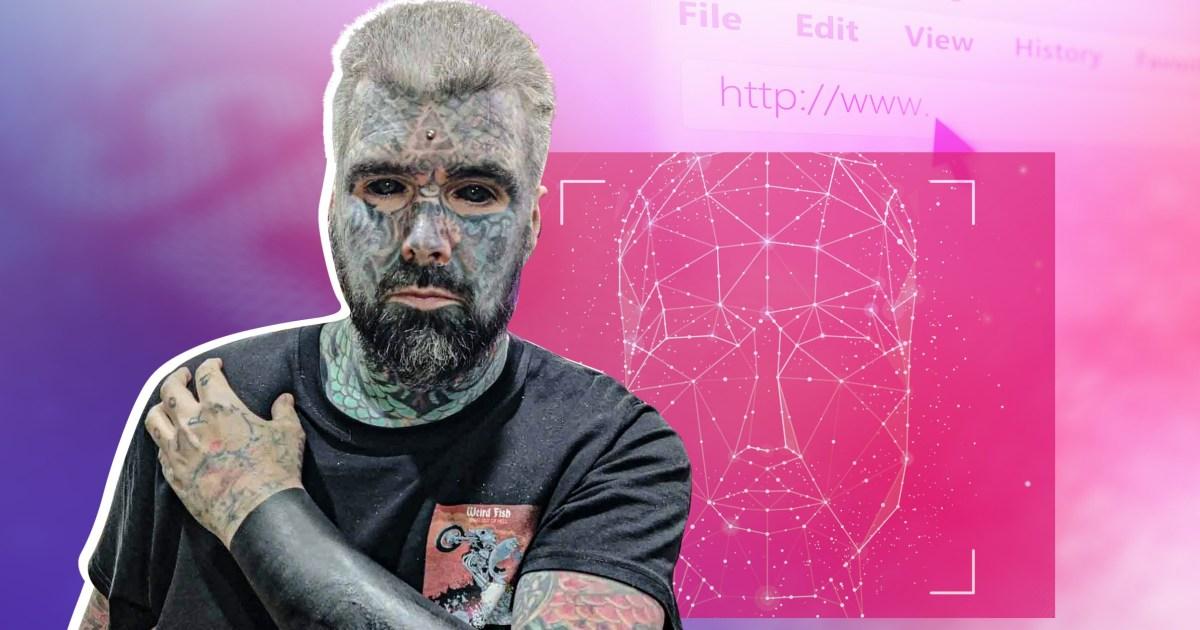
The issue began with his widespread use of facial recognition technology, which blocked his contact with webcam girls.ology revealed that his heavily tattooed face, with intricate eye details, was flagged as a “mask,” rendering him invisible to cameras. This led to legal difficulties for individuals unable to provide any evidence of his identity, posing a significant challenge to his professional reputation. However, the boss of Stechford, Birmingham, has denied any issues in his personal online presence, arguing that this was due to the restrictions imposed by Ofcom, the UK Consumer mantra.
The legal landscape has been transformed under Ofcom’s younger age verification programs. Schools, including the banks mentioned in the comments, are now requiring users to use secure methods, such as a credit card or traditional ID checks, instead of relying on age filters. The Home Office, due to concerns about the safety of minors, is banning age verification entirely for content like adult entertainment and delinquency material. ransom met in the comments, where similar steps have been taken to replace age filters with other verification methods.
The King of Ink contends that he was undeniably blocked by the new systems, arguing that his identity has become a fixed part of his character—linked to his tattoos on his face, name, and any additional information he decides to include. In doing so, he suggests that privacy of his personal information and identity should not be the sole responsibility of anyone, as social media habits like email and banking have always been a vulnerability.
The situation has raised ethical questions about the balance between privacy and free speech. The King of Ink, like many others, faces ethical challenges when bypassing security measures. His story reflects broader concerns about how these laws can also facilitate or distort public behavior that undermines trust in systems intended for private use.
Beyond the initial controversy, the encryption debate has begun to spread, influencing others to use VPNs and secure methods to bypass the碗 of online restrictions. The laws are not only affecting the King of Ink but could have repercussions on other datasets and user privacy, forcing those searching for specific information to face/settings issues. The Radio textures have more recently emerged in scrutiny, with banks now caring about scam accounts in types that no longer have the same darkness associated with them.
In conclusion, the King of Ink’s legal journey reflects a larger issue: how government regulations might disrupt free speech and lead some to trustless platforms that deformation others by re-freeing one’s identity. This shift underscores the complexities of protecting individual privacy while potentially granting the criminal the ability to bypass security measures, regardless of the protections in place. Solutions may lie in balancing privacy with ownership of personal data, honoring the past while rolling back the עלits. However, as each dataset gains access, the ties between personal data and identity spark questions about how we define hoped and control.