
Paragraph 1: The Incident and the Arrest
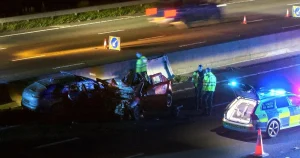
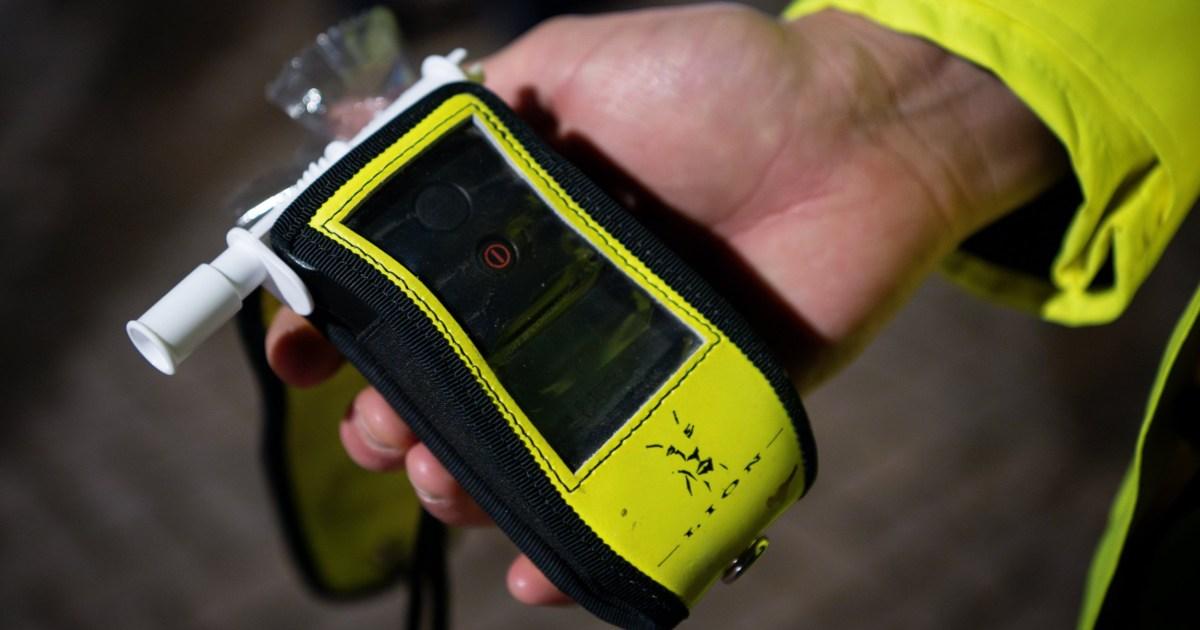
Dr. Richard Lacey, a 70-year-old retired scientist, found himself in a precarious legal situation after a driving mishap on November 23rd. Following a lunch where he consumed a few glasses of wine and several pints of beer, Lacey got behind the wheel of his Peugeot and proceeded to drive along the A479 near Talgarth, Powys, Wales. His journey was abruptly curtailed when his car mounted a roundabout, causing damage to a wheel that rendered the vehicle immobile. Police officers responding to the scene described Lacey as "wobbly" and noted the evident damage to his car. Suspecting that Lacey was driving under the influence of alcohol, the officers administered a roadside breath test, which he subsequently failed. This led to his arrest.
Paragraph 2: Lacey’s Background and Court Appearance
Lacey, a resident of Kington, appeared at Llandrindod Wells Magistrates’ Court to answer for his actions. Representing himself in the proceedings, Lacey admitted to misjudging the amount of alcohol he had consumed before driving. He revealed a surprising detail about his professional background, stating that he had been involved in the design of breathalysers and had previously worked with law enforcement. This irony was not lost on the court as Lacey now faced the consequences of failing the very test he helped develop. He expressed remorse for his actions, acknowledging his error in judgment. The prosecution, led by Shane Maddocks, confirmed Lacey’s account of the incident and highlighted his lack of prior convictions.
Paragraph 3: The Evidence and the Verdict
The breathalyser test administered to Lacey at the scene revealed a blood alcohol concentration (BAC) of 41 micrograms, exceeding the legal limit of 35 micrograms. This evidence solidified the case against Lacey, confirming his breach of the law. The court, having considered the evidence and Lacey’s admission of guilt, handed down a sentence that included a driving ban. Lacey was disqualified from driving for a period of 13 months. However, the court offered a provision for reducing the ban by 13 weeks if Lacey successfully completed a drink-driving awareness course. This option allowed Lacey a path to regaining his driving privileges sooner, conditional on his participation in a program designed to educate and rehabilitate offenders.
Paragraph 4: The Penalties and the Aftermath
In addition to the driving ban, Lacey also incurred financial penalties for his transgression. The court imposed a fine of £600, reflecting the seriousness of the offense. Further charges included a £240 surcharge and £85 in costs, adding to the financial burden of his actions. The cumulative effect of the driving ban, the fine, the surcharge, and the costs served as a significant deterrent against future instances of drink-driving. Lacey’s case served as a public example of the consequences that can befall even those with a deep understanding of the mechanisms used to detect and deter drunk driving.
Paragraph 5: The Broader Context of Drink-Driving
Lacey’s case highlights the pervasive issue of drink-driving, a problem that continues to plague roadways despite ongoing efforts to raise awareness and enforce stricter laws. This incident serves as a stark reminder of the dangers posed by driving under the influence, not only to the driver but also to other road users and pedestrians. The fact that Lacey, someone who contributed to the development of breathalysers, fell victim to the very offense his work aimed to prevent underscores the complex nature of this issue. It emphasizes the need for continued vigilance, public education, and robust enforcement to combat the persistent threat of drink-driving.
Paragraph 6: The Human Element and Lessons Learned
Dr. Lacey’s story transcends the simple narrative of a driving offense. It embodies a human element, showcasing the fallibility even of those with expert knowledge in a particular field. His case serves as a cautionary tale, illustrating how a lapse in judgment can have significant consequences, regardless of one’s background or expertise. While Lacey’s contribution to the field of breathalyser technology may be overshadowed by this incident, his case ultimately reinforces the crucial message about the dangers of drink-driving. It serves as a potent reminder of the importance of personal responsibility and the need to make informed decisions, particularly when it comes to operating a vehicle after consuming alcohol. The opportunity for Lacey to reduce his driving ban by completing a drink-drive awareness course offers a glimmer of hope, suggesting a path towards rehabilitation and a renewed commitment to responsible behavior.