



The Plight of the British High Street: Shoe Zone Closures and the Broader Economic Context
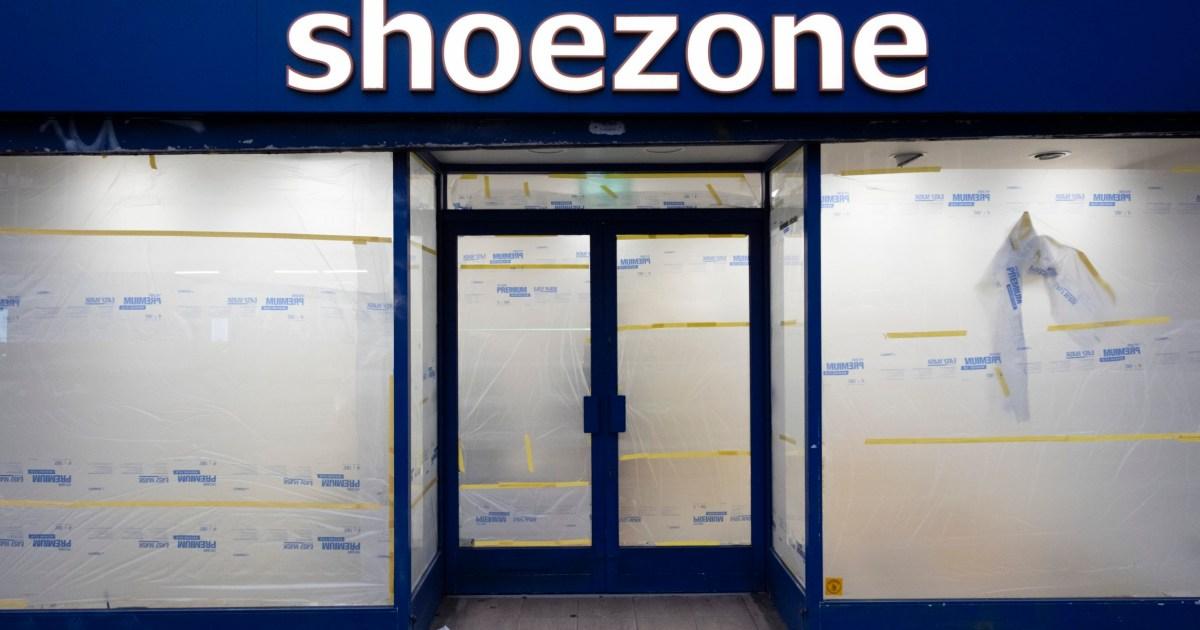
The announcement of store closures by Shoe Zone, a prominent British footwear retailer, has sent ripples of concern through the retail sector and serves as a stark reminder of the ongoing challenges faced by the British high street. The company explicitly linked the closures to the recent budget presented by Chancellor Rachel Reeves, which included increases in both national insurance contributions and the national minimum wage. These measures, while intended to bolster government revenue and improve worker compensation, have added significant financial pressure on businesses, particularly those already operating on thin margins like Shoe Zone. The company cited these increased costs as rendering a number of its stores financially unviable, forcing their closure.
Shoe Zone’s predicament highlights the delicate balance businesses must strike between absorbing rising costs and passing them on to consumers, especially in a climate of weakened consumer confidence. The retailer noted that challenging trading conditions, exacerbated by unfavorable weather and a decline in consumer spending, have further compounded the negative impact of the budget changes. These factors have culminated in Shoe Zone canceling its final shareholder dividend payout for the 2023/24 fiscal year, a move indicative of the severity of the financial strain the company is experiencing. This confluence of economic pressures paints a bleak picture for the retail sector and underscores the vulnerability of businesses to fluctuations in government policy, consumer behavior, and wider economic conditions.
The closures, affecting several locations across the UK, including Burgess Hill, Portsmouth, and Watford, are not isolated incidents for Shoe Zone. The company had already closed 13 stores in 2023, initially as part of a strategic shift towards larger "big box" and hybrid format stores. However, the current wave of closures appears to be driven more by financial necessity than strategic restructuring. The concerns expressed by local residents, who rely on Shoe Zone for affordable footwear and lament the loss of a familiar presence on their high streets, further personalize the broader economic narrative. These closures represent not just lost jobs and diminished retail options but also a fraying of the social fabric of local communities.
Shoe Zone’s struggles provide a microcosm of the wider challenges plaguing the British high street. The British Retail Consortium reports a staggering 6,000 retail outlet closures since 2018. This decline has been attributed to a combination of factors, including “crippling” business rates, the lingering impact of the COVID-19 pandemic, and shifting consumer habits driven by the rise of online shopping. The pandemic, with its lockdowns and social distancing measures, dealt a significant blow to brick-and-mortar retail, accelerating the shift towards e-commerce and leaving many traditional retailers struggling to adapt. While some businesses have successfully navigated these challenges, many others, like Shoe Zone, find themselves caught in a precarious position.
The increasing costs associated with operating a physical store, coupled with the convenience and often lower prices offered by online retailers, create a formidable challenge for traditional high street businesses. The government’s efforts to support the economy through measures like increased minimum wage and national insurance contributions, while potentially beneficial in the long run, have inadvertently exacerbated the immediate financial pressures on businesses, particularly in the retail sector. This delicate balancing act between supporting workers and fostering a healthy business environment is a constant challenge for policymakers.
The future of the British high street remains uncertain, with businesses continuing to grapple with evolving consumer preferences, rising costs, and the ongoing shift towards digital commerce. The Shoe Zone closures serve as a stark reminder of the fragility of the retail landscape and the need for innovative solutions to revitalize town centers and support businesses in adapting to the changing economic climate. The challenges facing the high street are multifaceted and require a comprehensive approach involving government policy, business adaptation, and evolving consumer behavior. The story of Shoe Zone is not just about a single retailer; it’s a reflection of the broader economic currents shaping the future of retail in Britain.