



The Ongoing Decline of the High Street Bank: Barclays Announces Further Branch Closures
The landscape of the British high street is undergoing a dramatic transformation, with bank branches increasingly becoming relics of the past. Barclays, one of the UK’s leading banking institutions, has recently announced the closure of several more branches across the nation, adding to the growing number of communities losing access to traditional banking services. This move comes as part of a broader trend within the banking sector, driven by changing customer behaviour and the rise of online banking. While the closures are attributed to evolving consumer preferences, the impact on communities, particularly those reliant on in-person banking, remains a significant concern.
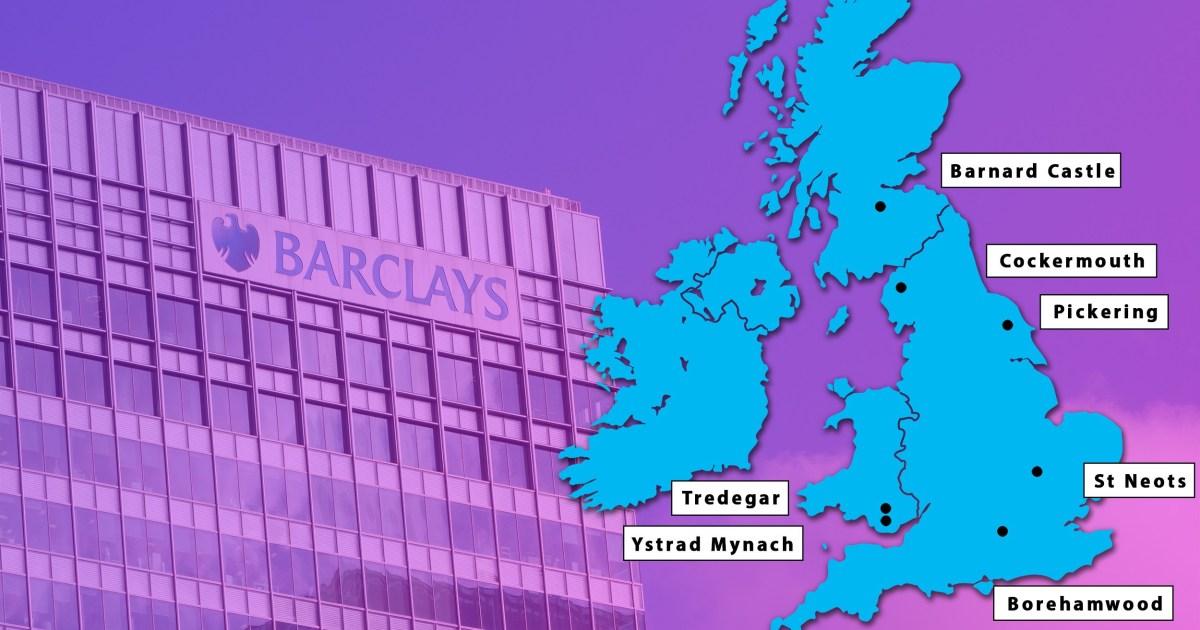
Barclays, which reported substantial pre-tax profits of approximately £6.5 billion last year, is set to shutter at least seven branches in early 2025. This initial wave of closures forms part of a larger plan to close 99 branches throughout 2024 and 2025. The affected locations span various regions, including Barnard Castle, Cockermouth, Pickering, Tredegar, Ystrad Mynach, and St Neots. The scheduled closures are a harsh reminder of the continuing shift towards digital banking and the challenges faced by those who depend on physical branches for their financial needs.
This trend towards branch closures is not unique to Barclays. Other major high street banks, including Lloyds Banking Group, have also announced similar plans, further accelerating the decline of in-person banking services. Lloyds, for example, announced the closure of a further 164 branches, exacerbating the trend and raising concerns about access to essential financial services for vulnerable populations. The cumulative effect of these closures across the banking sector is painting a bleak picture for the future of high street banking and the communities that rely upon them.
The motivations behind these closures are complex and multifaceted. Banks argue that the shift towards online and mobile banking has rendered physical branches increasingly redundant. The costs associated with maintaining physical locations, coupled with declining foot traffic, have made branch closures a seemingly inevitable business decision. While these economic realities are undeniable, the social and practical implications for customers, especially those in rural areas or with limited digital literacy, cannot be ignored. The closure of branches often leads to reduced access to cash, financial advice, and essential banking services, creating a significant disadvantage for these vulnerable groups.
The rapid pace of branch closures has sparked widespread concern among consumer groups and community leaders. The loss of physical banking infrastructure has the potential to exacerbate existing inequalities, particularly for older individuals, those with disabilities, and individuals living in areas with limited internet access. The move towards digital banking, while convenient for many, risks excluding those who lack the necessary skills or access to technology. This digital divide presents a serious challenge to financial inclusion and requires careful consideration from both banks and policymakers.
The dwindling number of bank branches has far-reaching consequences, extending beyond the immediate inconvenience for customers. The closure of branches often leads to a decline in foot traffic on high streets, impacting local businesses and contributing to the overall decline of town centres. The social fabric of communities can also be affected, as bank branches often serve as important social hubs, particularly for elderly or isolated individuals. The loss of these spaces can further exacerbate social isolation and reduce community cohesion. The long-term impact of this trend on both the economic and social well-being of communities requires urgent attention and innovative solutions to mitigate the negative effects.