



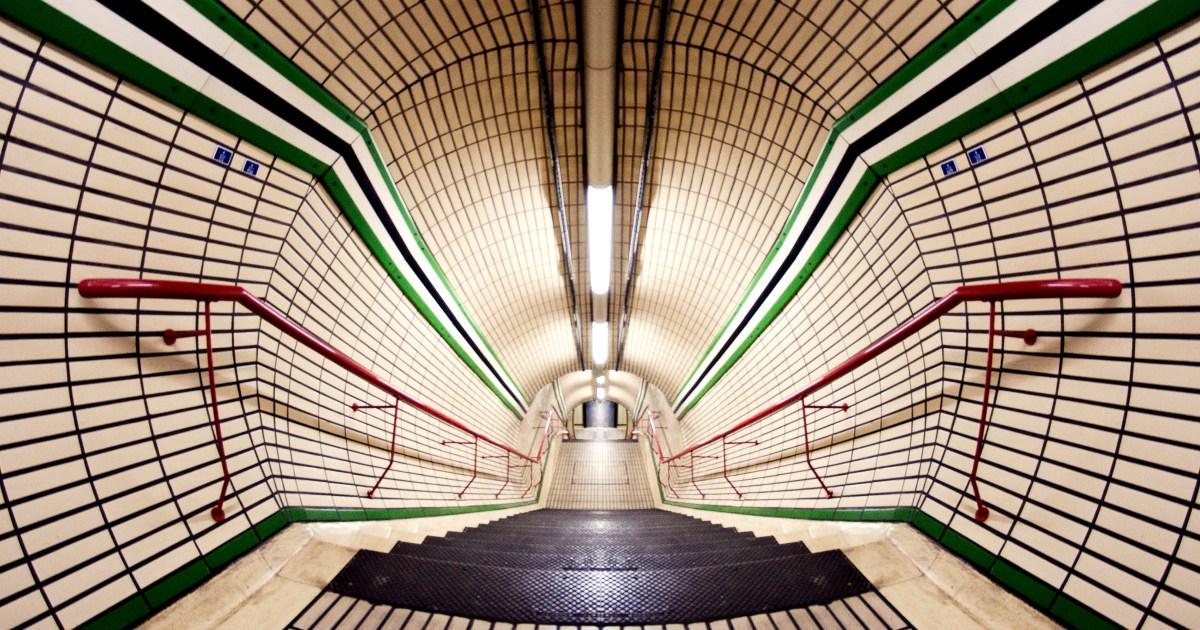
The Architectural Splendor of the London Underground
The London Underground, affectionately known as the Tube, is often synonymous with crowded carriages, hurried commuters, and the general hustle and bustle of city life. While the daily commute can undoubtedly be a source of frustration, the Tube network is also a testament to remarkable engineering and architectural design. Beyond its functional purpose of transporting millions of people across the city, the Underground boasts a collection of stations that transcend mere transit hubs and elevate themselves to works of art. From the vast expanse of Westminster to the futuristic gleam of Canada Water, these stations offer a glimpse into the diverse architectural styles that have shaped the city’s identity.
Westminster station, with its cavernous platforms and imposing concrete structures, evokes a sense of grandeur and cinematic drama. Southwark station, a more modern addition to the network, stands out with its bold design and vibrant colors, a testament to architect Sir Richard MacCormac’s vision. Leytonstone station pays homage to the cinematic genius of Alfred Hitchcock with a series of mosaics depicting scenes from his iconic films. East Finchley, a masterpiece of 1930s Art Deco architecture by Charles Holden, showcases the elegance and sophistication of the era. These stations, each with their unique character and charm, transform the mundane commute into an opportunity for aesthetic appreciation.
Gloucester Road station, with its serene atmosphere and church-like architecture, offers a moment of tranquility amidst the urban chaos. Canary Wharf station, a modern marvel of glass and steel, exudes a sense of futuristic grandeur as passengers ascend its towering escalators. Gants Hill station, with its intriguing history as a wartime air raid shelter and weapons store, evokes a sense of mystery and intrigue. Cockfosters station, situated at the end of the Piccadilly line, boasts a distinctive architectural style reminiscent of a spaceship launchpad. These stations, each with their unique historical and architectural significance, enrich the tapestry of the London Underground.
Earl’s Court station, despite its often-crowded platforms, offers a captivating view of bustling London life from its elevated vantage point. Baker Street station, immortalized in Gerry Rafferty’s iconic song, is a charmingly ramshackle space adorned with Sherlock Holmes-themed tiles. West Brompton station, with its unique combination of underground and overground platforms, provides a refreshing glimpse of the open air. Canada Water station, with its futuristic design, resembles a spacecraft poised for takeoff. These stations, each with their unique quirks and characteristics, add a touch of whimsy and personality to the Underground network.
Tottenham Court Road station, currently undergoing a major refurbishment, has been the subject of controversy due to the removal of some of Eduardo Paolozzi’s iconic mosaics. While the fate of these artworks remains uncertain, their presence serves as a reminder of the artistic legacy embedded within the Tube’s architecture. The mosaics, with their vibrant colors and intricate designs, provide a welcome distraction from the hustle and bustle of one of London’s busiest stations. The ongoing debate surrounding their preservation highlights the importance of balancing modernization with the preservation of artistic and historical heritage.
The London Underground, with its diverse architectural styles and artistic embellishments, is more than just a transportation system; it is a living museum that reflects the city’s rich history and cultural evolution. Each station, with its unique design and character, tells a story of architectural innovation and artistic expression. The Tube is not just a means of getting from point A to point B; it is a journey through the architectural heart of London, offering a glimpse into the city’s past, present, and future. So, the next time you find yourself navigating the Underground, take a moment to appreciate the beauty that surrounds you. Look beyond the crowds and the rush, and discover the hidden gems of London’s architectural heritage.