



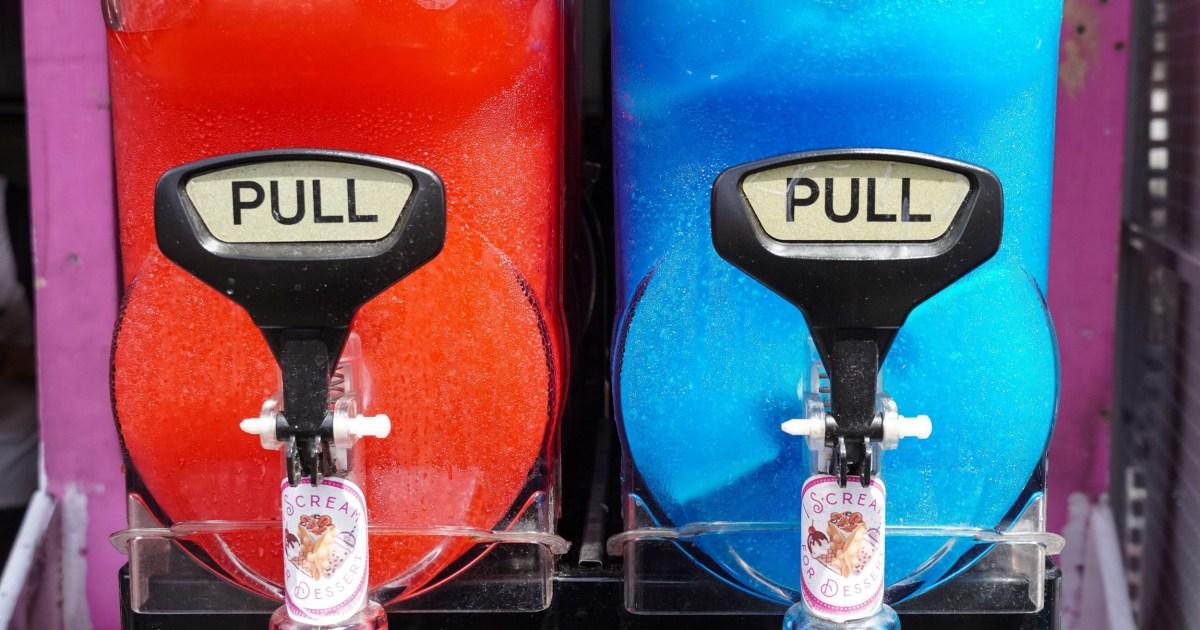
abella: The summer is here, and with it comes slushy drinks! These refreshing drinks keep the kids cool during the heat, featuring liquid cones with loose ice that melt into thin ice pastries. While popular in beachside cafes and amusement parks across the country, slushy drinks have gone viral, and parents are Checking their kids’ servings before offering a new one.
But the food safety-network has raised concerns! The Food Standards Agency (FSA) has recently warned that under-sevens (under seven years old) should not drink slushies at all! Even for teenagers aged seven to 10, they should drink no more than 350ml of the concentration per day! If a child swims in too many slushies in a short period of time, they can potentially be exposed to very high levels of glycerol! Glycerol is found in the slushies as a heat inhibitor, and consuming large amounts of it in a hurry can lead to serious health risks. For example, a child could experience shock, a quick drop in blood sugar levels, or lose consciousness without enough sugar.
These risks are just the tip of the iceberg! Glycerol intoxication isn’t the only health issue! It can also be aitable to cause drowsiness, which is why a quick bathroom break may be necessary for the child. The poor understanding of glycerol among parents and carers in this age group means that many children are both exposed and unco))*rd of such toxins during warm months when slushies are widely consumed.
As we move into summer, it’s important to support our little ones by making informed choices! Parents and carers should definitely ensure that their children under seven never sniff or drink any slushies! Even for grown-ups, it’s crucial to avoid unexpected級 drinks—where emotion plays a major role. 7-10-year-olds should be cautious, and those older than that should be sufficiently grown to recognize their.children’s fates.
The FSA has revealed strict guidelines to protect our children! It’s not enough to simply tell unsafely消费 slushies—it’s time for parents and carers to take a proactive approach! They should check product labels, ask sellers and tablets to ensure that the slushie doesn’t contain glycerol, and never offer free refills to younger children. Additionally, the FSA has called on retailers to no longer distribute free slushie refills to children under 10, and manufacturers to use only the minimum amount of glycerol needed to achieve the freezing effect. These steps can help prevent further harm and protect our little ones.
Beyond the legal reminders, the manerkinds can also benefit from better communication. As of recent news inserts, there have been nine confirmed cases of glycerol intoxication in young children, and some potential ones are reported. swallow the risks of potential hypoglycaemia as a result of overconsumption of these drinks. Additionally, the media often reports on young children who have been caught in this dangerous cycle, reminding families and parents of the dangers of so much heat in a quick brownie.
Readers interestingly called out the use of slushies as a form of social interaction and safety net for young children—our kids which is likely a’, well…’mot back in the day we were all snug; in those days, exposure to heat and social interaction was the norm! But we sure hope that in the future, fashion continues to play a crucial role in protecting our little ones too! By taking pause, taking risks, and trusting their educators, we can ensure that they share the benefits of heat!
In conclusion, while slushies are a hot topic right now, they are also a risk worth being extra careful about! From warnings to practical tips, we need to help families make informed decisions and take proactive actions to protect our little ones. From keeping young children away from too much heat to avoiding harmful slushies and ensuring safe consumption, there’s no room for mistake!