


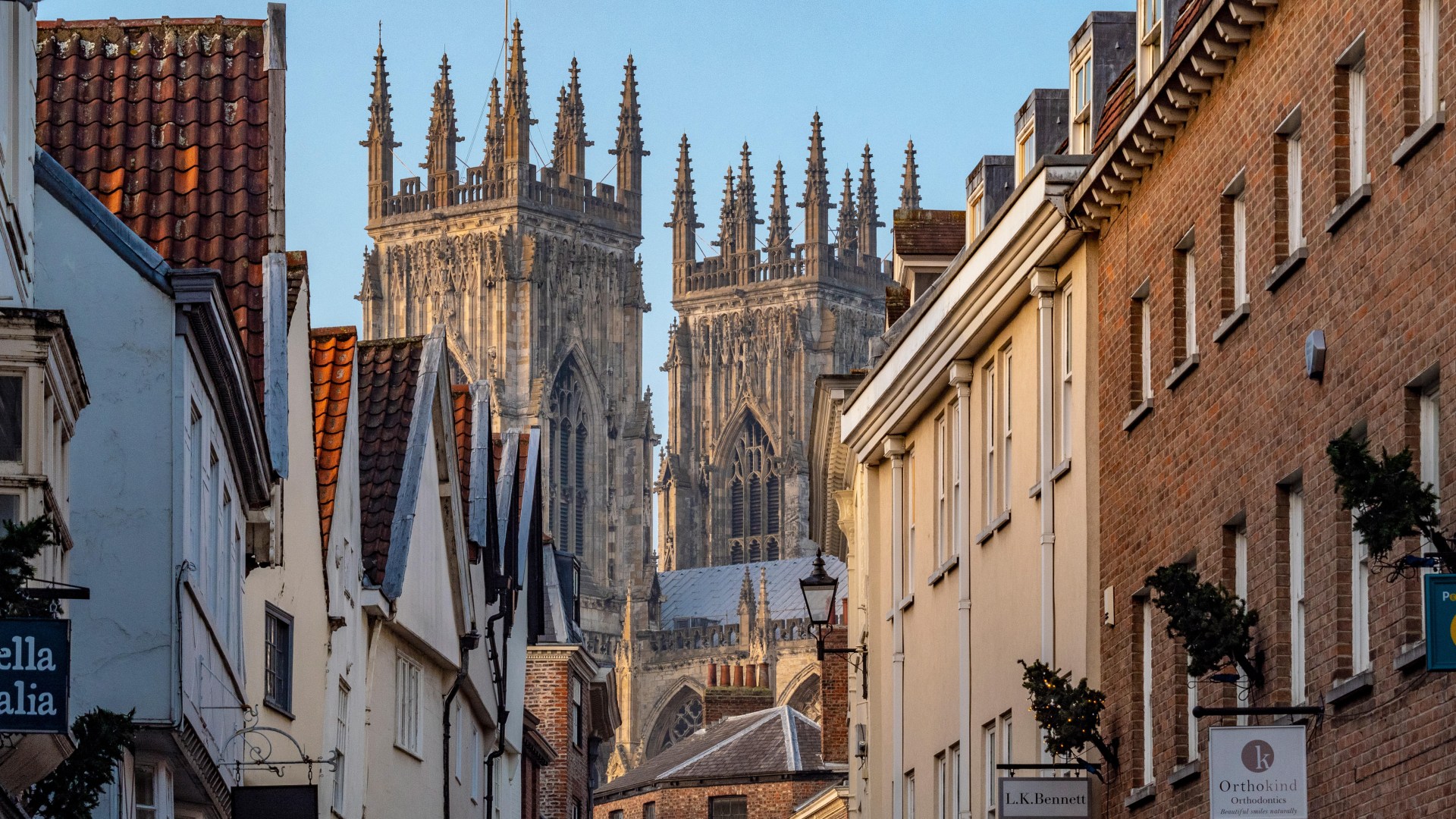
The ancient city of York, a captivating blend of Viking heritage and medieval charm, is contemplating the introduction of a tourist tax, a move mirroring a growing trend across the UK. Known for its enchanting cobbled streets, particularly the Shambles, often likened to Diagon Alley from the Harry Potter series, and the majestic York Minster, a Gothic cathedral with roots tracing back to the 7th century, York attracts a continuous stream of visitors eager to explore its rich history and vibrant culture. The proposed levy aims to generate an additional £5 million annually, providing crucial funds for the preservation of the city’s historical landmarks and the improvement of its infrastructure. This revenue stream is deemed essential to maintain the city’s allure and accommodate the increasing influx of tourists. The proposal has sparked debate, with supporters arguing that it’s a reasonable measure to ensure the sustainability of York’s tourism sector, while opponents raise concerns about potential negative impacts on the local economy.
The concept of a tourist tax, common practice in many European cities, is gaining traction in the UK. Manchester has already implemented a £1 nightly charge for hotel stays, setting a precedent for other cities to follow. Destinations like Birmingham and Cornwall are also exploring the possibility of a £1-a-night levy, while Edinburgh is considering a more substantial charge of £14 per night. Cambridge City Council has debated implementing a £2 per person, per night charge, potentially rising to £3. More ambitious proposals have emerged in Wales, with discussions of charges up to £21 per night, and London, considering a substantial £60 per night. Liverpool currently implements a 1.6% charge on accommodation bills, with plans to increase it to 5.5% over the next five years. York’s proposed levy aligns with this national trend, reflecting the growing need for sustainable funding mechanisms for tourism-dependent cities.
York’s council sees the tourist tax as a practical solution to address the financial demands of maintaining the city’s historic attractions and infrastructure. Councillor Pete Kilbane, the council’s economy executive member, has expressed strong support for the levy, describing it as “a no brainer,” and suggesting that many high-end hotels would readily accept the additional charge. He further indicated openness to a voluntary scheme implemented by the hospitality industry, although this option seems to have lost momentum. Councillor Katie Lomas emphasized the familiarity of such charges for travelers accustomed to European travel, highlighting the prevalence of similar levies across the continent. The council is currently exploring various implementation mechanisms, aiming to establish a system that is both effective and equitable.
However, the proposal has faced opposition, particularly from Conservative councillor Chris Steward, who argues that the tax is an unnecessary revenue grab, accusing the Labour-led council of seeking additional funds to address financial shortfalls. He believes the tax would be perceived as a purely revenue-generating measure, rather than a dedicated effort to support the tourism sector. This dissenting view underscores the complexities surrounding the implementation of a tourist tax, with potential implications for the local economy and the perception of York as a tourist destination. The debate highlights the need for careful consideration of the potential benefits and drawbacks of such a levy, ensuring that it serves the best interests of both the city and its visitors.
The council is exploring different approaches to implementing the levy, including a voluntary scheme through businesses like hotels, or establishing a business improvement district to collect the charge from hospitality businesses. While local councils currently lack the legal authority to directly impose a tourist tax, York could emulate Manchester’s approach by establishing a voluntary system or utilizing a business improvement district as a collection mechanism. The feasibility and effectiveness of these different implementation models are currently under review. The council is actively seeking input from stakeholders to ensure a well-informed decision that balances the need for revenue with the potential impact on the tourism industry.
York’s deliberations on a tourist tax reflect a broader national conversation on sustainable funding for tourism-dependent cities. As destinations across the UK grapple with the increasing costs of maintaining infrastructure and preserving historic sites, innovative funding mechanisms are becoming increasingly necessary. The debate in York encapsulates the challenges and opportunities inherent in such initiatives, underscoring the need for careful planning, stakeholder engagement, and a thorough assessment of potential impacts. The ultimate decision on the implementation of a tourist tax in York will have significant implications for the city’s future, influencing its ability to maintain its unique character and cater to the needs of its visitors.