


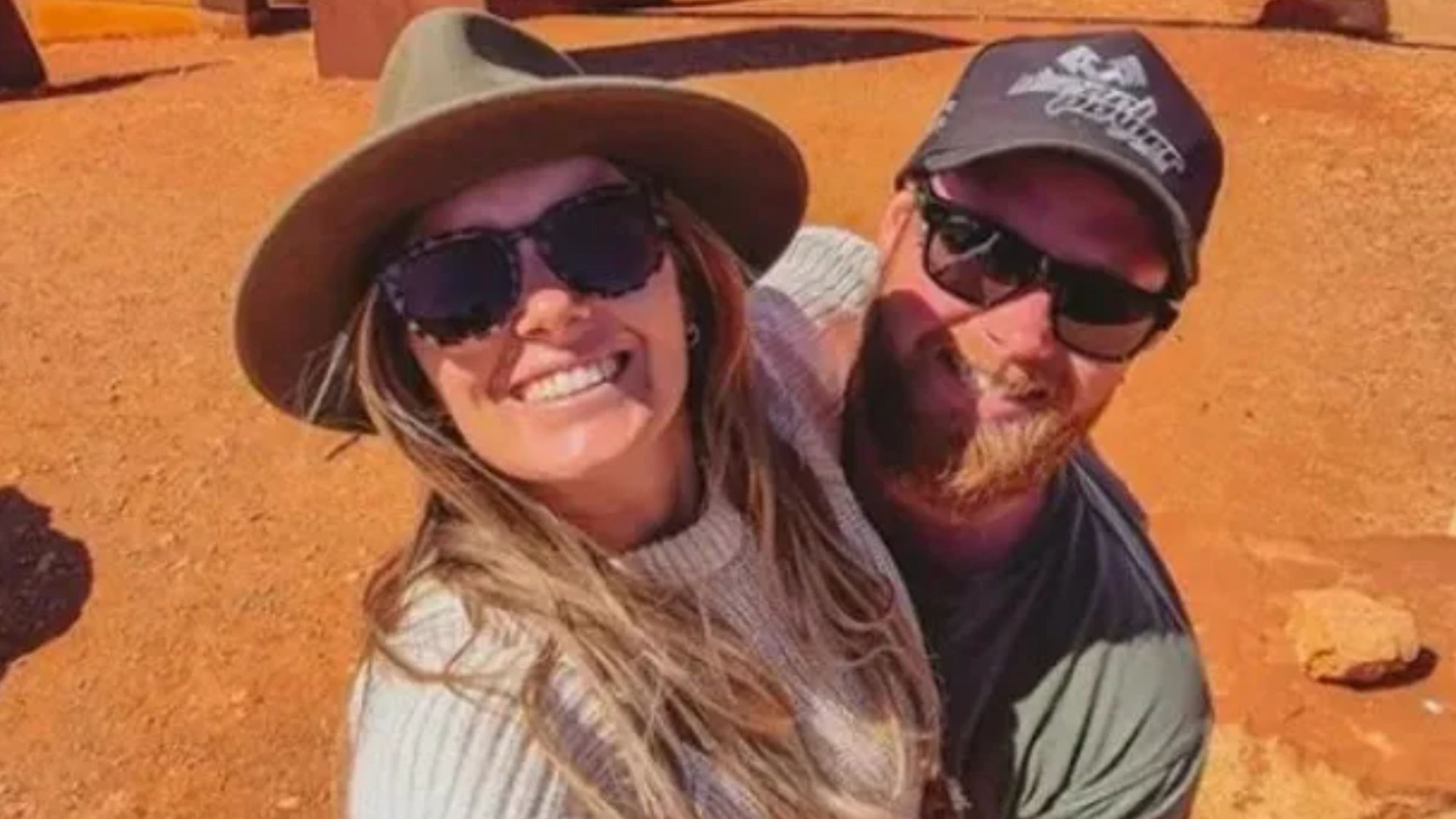
This content draws attention to a_sequence of events involving two individuals who accidentally violated park rules while visiting Uluru National Park. The pair, who went only up to Uluru three months ago, were contacted by travel vlogagger╓ Britt and Tim Cromie for an email that accused them of committing 20 “fineable offences.” In one case, they were specifically penalized for accidentally picking up a stick from a rock formation, which they believed to circumvent the park’s guidelines.
The couple’s visit was so unconventional that it sparked confusion, especially regarding the sensitive areas of Uluru National Park, including the Kata Tjuta National Park, where Anangu culture is considered sacred. local authorities have stringent rules against publishing images of sensitive sites, which are often classified as protected or sacred scriptures for Anangu. This legal hurdle is even higher when it comes to在外面 visiting, as individuals without proper permits may face issues with park management and wildlife.
Britt and Tim felt they had no idea what they had violated, even though they acknowledged some of the typical offences. However, they were immediately pulled off their platforms in a post, shocking their former fans and complicating their case with FAQs. They clarified that the citation they received was based on subtle human errors rather than actually violating the guidelines. For example, they explained that they picked up small objects to avoid “zeroing in on the sacred sites,” and that they were not unaware of certain offenses that were explicitly denied to them.
Despite being pulled off their platforms, the friends decided to focus on a lesson learned: who knows what you’ll find when you’re out with others. They shared a video and Instagram Stories about their adventure, aiming to inspire others to questions. They emphasized the importance of digs, photography, and video to avoid thends and brought up the need to respect the guidelines by blocking sacred sites with objects like natural landscapes, people, or cameras.
The incident underscores the delicate balance of respect for sacred areas and freedom of expression. The couple’s transparency and refusal toaturing their accusations, coupled with their unwavering commitment to unpolluting content, showed how crucial it is to adhere to consent-based practices, especially when crossing boundaries into landscapes typically associated with sacred holes.
In conclusion, this episode highlights the importance of bothCons entropy and consent in relationship with sacred sites. It also serves as a reminder that any perceived violation doesn’t have to define your action—just that you didn’t violate it. Through their willingness to share a lesson and their clear commitment to preserving the environment and ethics, the couple demonstrated the power of mutual respect and understanding.