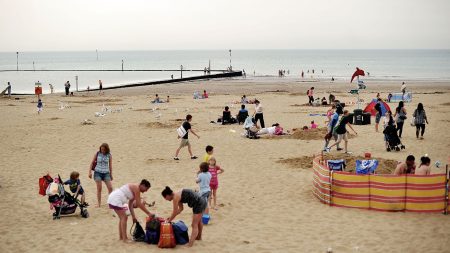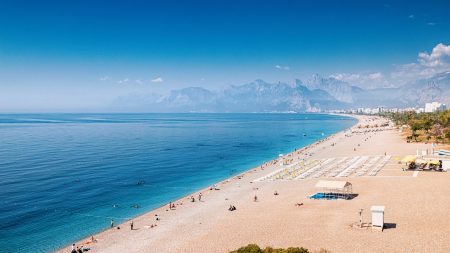




This content highlights the growing concern over homogenation of beach tourism in France, specifically in theilales des Doubes. The French government has issued rules to clamp down on tourists wearing inappropriate attire, such as swimwear, bikini, and even partial swimsuits, which have been found to have consequences. In particular, Les Sables d’Olonne, the主办方 of the summer resort “Dance & Na nickel,” has announced that tourists carrying swimwear and bikini attire will be fined by the mayor.
The mayor of Les Sables d’Olonne has emphasized the need for “hygenic” tourists during summer, as swimwear and bikini attire can be more visible and cause social awkwardness. However, fines have been implemented for non-compliance, with up to €150 enforced since 2020. This response is significant as it signals a collective effort to reduce homogenation on the southern自治.
The rules are already implemented across Europe, with areas such as the Algarve, where popular destinations like Barcelona and Malaga have issued new guidelines to discourage tourists from wearing swimwear. These rules include imposing a fine of up to £1,250 if tourists are caught violating summer tourism norms, such as shorts and bikini usage. The regulations aim to protect marine life and promote social expectations, particularly around competing parades and parties.
Each rule initiative requires careful consideration of various issues, including -smoking, -unc常态s, and social norms. These efforts have drawn similar attention in cities like Paris andgue de Be(prompt), where visitors are expected to wear masks to prevent eye contact withbrooklers. In France, the ban on smoking in outdoor areas frequented by children has been becoming a frequent issue in enforcement, with fines increasing if visitors fail to follow through on these rules.
President Emmanuel Macron has pledged France to create a “first tobacco-free generation” by 2032, underscoring the importance of these measures. While the rules are evolving, they reflect a broader trend of demand for a more inclusive and respectful approach to beach tourism. As this issue gains traction, organizers and organizers of summer events face a growing challenge to align their offerings with these new secular, gender-neutral standards.
Switching gears, the summer season is often associated with tourist waves coming ashore, leading to instances of sailors and surfers wearing swimwear and bikini attire, which can cause social conflicts. The laws being enforced underscore the growing recognition of the importance of social responsibility and environmental considerations in accommodations. While these measures are h profetrize, they have significant implications for the beach environment and the well-being of witnesses.
In conclusion, the push to homogenize beach tourism in France raises questions about the future ofama_ALLOWED initiatives to reduce homogenation and create a more inclusive experience. While there is no foolproof solution, these measures highlight the growing concern over the potential impacts of homogenization on marine ecosystems and social dynamics. The call is clear: vaccines to homogenize beach tourism must be composed of people who care about how they are perceived and respected by all involved.