


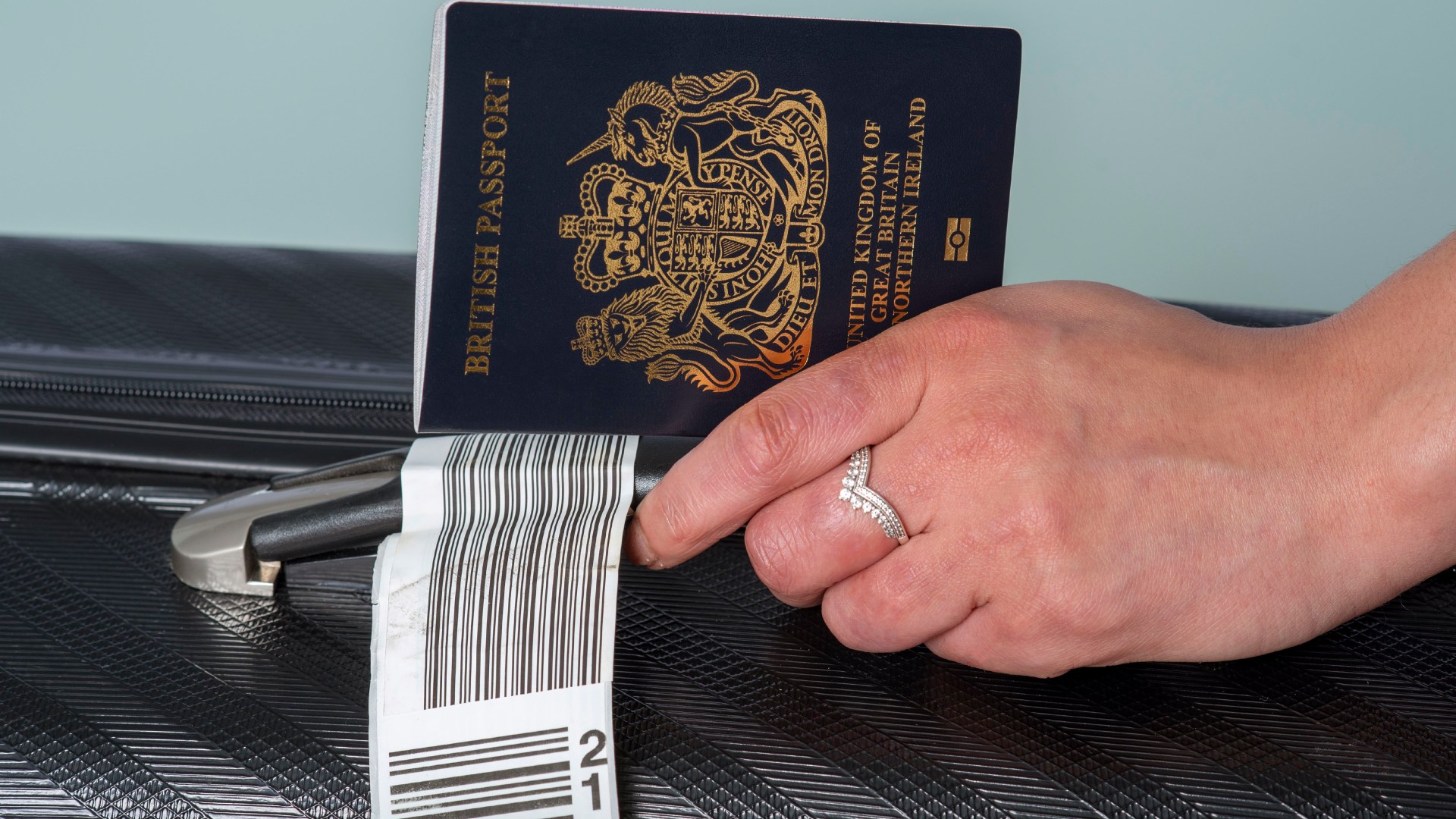
A viral Instagram video has sparked a debate about a simple yet potentially problematic airport hack designed to streamline family travel. Valerie, a self-proclaimed travel guru behind the Instagram account @littleeyes.bigworld, shared her method of using different stickers on the back of each family member’s passport to quickly identify ownership, eliminating the frantic flipping through documents often experienced during airport navigation. Her video resonated with numerous parents who identified with the stress of managing multiple passports, especially while traveling with children. Many viewers lauded the hack as “genius” and a practical solution to a common travel woe. However, the seemingly innocuous tip has also drawn warnings and concerns.
While the sticker method appears to offer a quick and easy solution, several individuals shared experiences of encountering difficulties with immigration officials due to additions or alterations to their passports. Some recounted instances where they were denied boarding or faced questioning because of stickers placed on the back of their passports, raising concerns about potential “defacement” and invalidation of the document. These anecdotes highlight the risk associated with altering the appearance of a passport, even with seemingly insignificant additions like stickers. The potential consequences, ranging from delays to denied entry, underscore the importance of adhering to passport regulations.
The debate surrounding the sticker hack underscores the need for clarity regarding passport regulations. While some argue that easily removable stickers pose no threat, others err on the side of caution, advising against any modifications to the passport’s exterior. The varying experiences shared online highlight the inconsistency in enforcement and the potential for misinterpretation by immigration authorities. This ambiguity necessitates a cautious approach, encouraging travelers to consult their respective country’s passport regulations to avoid any unforeseen complications.
In response to the potential risks associated with the sticker hack, alternative solutions have been proposed that circumvent the possibility of passport invalidation. Several commenters suggested using different coloured passport covers, or covers adorned with stickers, as a means of differentiating family members’ documents without directly altering the passports themselves. Other suggestions included utilizing coloured rubber bands, paper clips, or magnetic bookmarks, all of which can be easily applied and removed without leaving any permanent marks or damage. These alternatives provide travelers with options that minimize the risk of encountering issues with immigration officials while still maintaining a system for quick identification.
The controversy surrounding the passport sticker hack highlights the broader issue of navigating often complex and ambiguous travel regulations. While seemingly minor alterations like stickers may appear harmless, the potential for misinterpretation and inconsistent enforcement by authorities creates a degree of uncertainty for travelers. This underscores the importance of thorough research and adherence to established guidelines to ensure a smooth and hassle-free travel experience. Staying informed about specific passport regulations and opting for alternative identification methods that avoid direct alterations can help mitigate potential risks and facilitate a more seamless journey.
The incident serves as a valuable reminder for travelers to prioritize clarity and compliance when it comes to travel documentation. While innovative hacks can be tempting, especially in the face of travel-related stress, it’s crucial to consider the potential ramifications and prioritize adhering to official regulations. By seeking out reliable information and opting for safe and compliant solutions, travelers can minimize the risk of unforeseen complications and ensure a smoother, more enjoyable travel experience. Ultimately, careful planning and informed decision-making are key to navigating the complexities of international travel and avoiding potential pitfalls.