


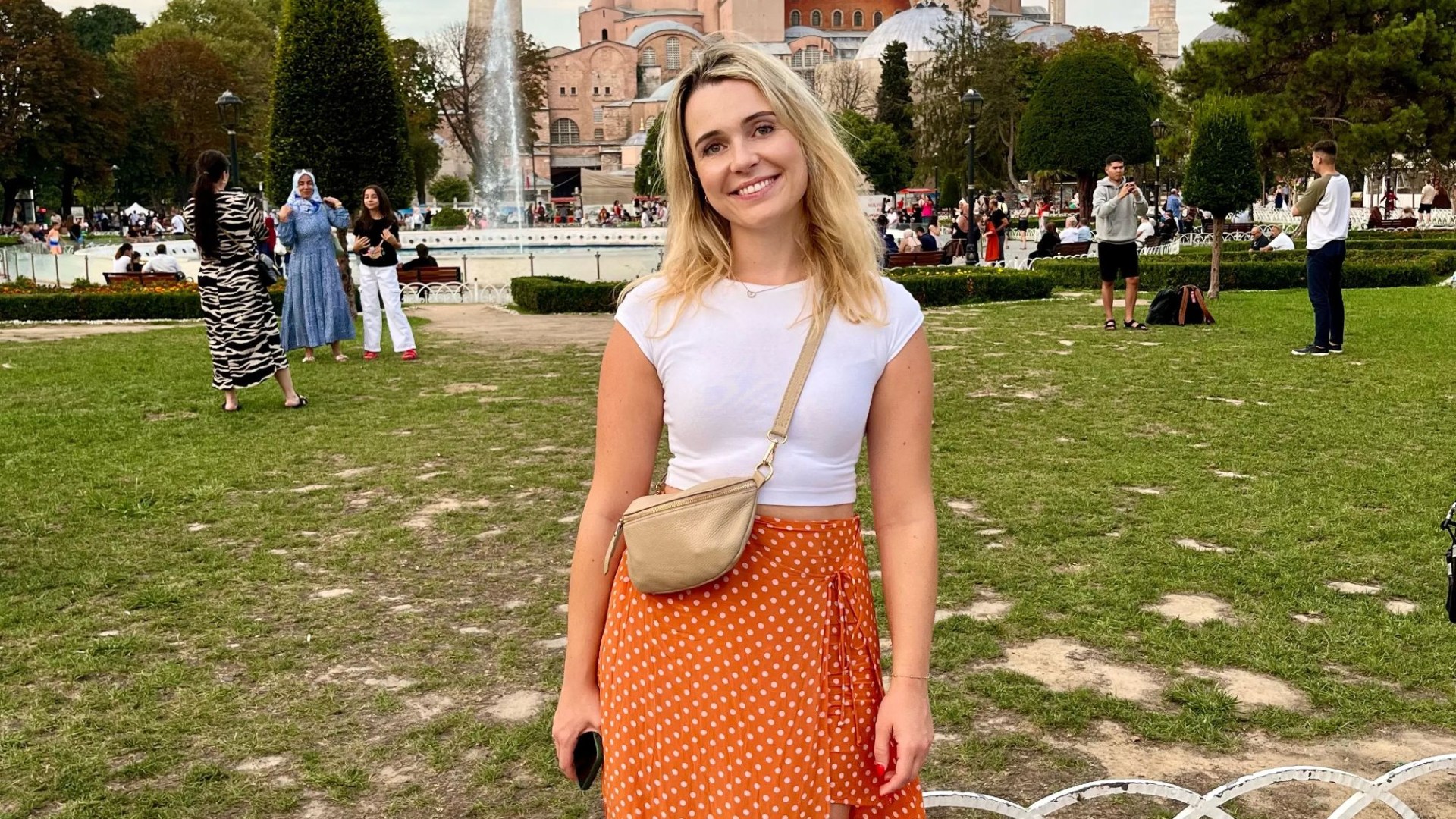
The allure of travel holds a strong grip on millennials and Gen Z, fueled by a confluence of factors that make exploring the world more attainable than ever. The author, a self-professed travel enthusiast, exemplifies this trend, having embarked on twelve trips in just two years, a frequency echoed by many within her peer group. This wanderlust stems from a variety of influences, including the rise of budget airlines, the ease of independent travel planning, alternative accommodation options, and a willingness to embrace off-season adventures.
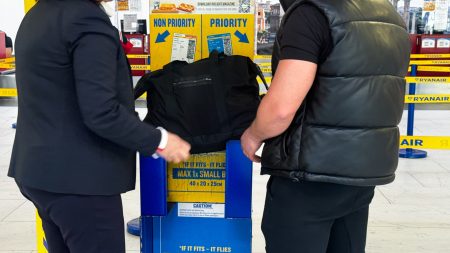
The proliferation of low-cost airlines like Ryanair and EasyJet has fundamentally reshaped the travel landscape for younger generations. Growing up with access to incredibly cheap flights has normalized the concept of weekend getaways to foreign destinations, often at a lower cost than domestic train travel. This mindset persists even amidst economic challenges, fostering a resourceful approach to travel planning where prioritizing affordability allows for more frequent excursions. The author illustrates this by recounting experiences like opting for inconvenient flight times and minimizing luggage to avoid extra fees, or enduring multiple layovers to save hundreds of pounds on a trip to Istanbul. This cost-conscious approach, while perhaps not appealing to everyone, enables maximizing the number of trips undertaken.
Beyond affordable flights, the internet has empowered travelers to curate their own itineraries and bypass traditional travel agents. This DIY approach provides greater flexibility and often results in cost savings, especially in European cities where dining and local transportation are frequently cheaper than in major hubs like London. The author shares examples of enjoying affordable meals in Naples and utilizing cost-effective public transport in Barcelona. This self-sufficiency, combined with budget-friendly flights, allows for more frequent shorter trips, challenging the traditional notion of a single, lengthy annual holiday.
The emergence of platforms like Airbnb has further revolutionized the accommodation landscape, offering a wider range of options and price points compared to traditional hotels. Sharing accommodations with friends and venturing beyond heavily touristed areas can unlock significant savings. The author recounts experiences of securing stunning apartments with sea views in Peniche, Portugal, and comfortable villas in Monsaraz through Airbnb. Even more resourceful, she utilized a flat-swapping arrangement with a friend in Geneva, enabling a three-week stay in an otherwise expensive city while keeping costs manageable through home cooking and packed lunches.
Breaking free from the constraints of peak season travel also contributes significantly to affordability and a less crowded experience. Traveling during shoulder or off-season periods often yields lower prices and allows for a more relaxed exploration of destinations. The author cites examples of enjoying Ibiza in May, experiencing a less crowded Comporta in April, and even combining skiing and surfing in California during February. While weather conditions might not always be ideal, the trade-off is a more affordable and less congested travel experience. Even in destinations with less predictable weather, like Tuscany in December or Carcassonne in October, the author found enjoyment in adapting expectations and appreciating the unique charm of each location without the throngs of peak season tourists.
In an economic climate where traditional milestones like homeownership feel increasingly distant for many millennials and Gen Z, prioritizing travel offers a more achievable form of luxury and personal fulfillment. The author highlights this sentiment, suggesting that in the face of economic uncertainty, exploring the world becomes a more accessible and tangible aspiration. This focus on experiences over material possessions reflects a broader shift in priorities among younger generations. The author concludes by looking forward to her five planned trips for 2025, reinforcing the ongoing trend of frequent and diverse travel experiences that define the millennial and Gen Z approach to exploring the world.
The author’s travel experiences showcase a resourceful and adaptable approach to globetrotting. By prioritizing affordability and embracing non-traditional travel patterns, she exemplifies how millennials and Gen Z are redefining the concept of travel. This approach emphasizes experiencing diverse destinations and cultures, even within budgetary constraints. It’s a testament to the ingenuity and wanderlust of a generation determined to explore the world, one affordable trip at a time. The combination of budget airlines, independent travel planning, alternative accommodations, and off-season travel creates a potent recipe for frequent and fulfilling travel experiences.
This shift in travel patterns reflects broader societal changes, including the rise of remote work, which allows for greater flexibility in travel schedules. The ability to work from anywhere empowers individuals to extend trips and immerse themselves in different cultures for longer periods. The author’s experience of working remotely from Geneva showcases this trend, blurring the lines between work and travel. This blended approach further enhances the appeal of frequent, shorter trips, allowing for a more immersive and enriching travel experience.
The emphasis on experiences over material possessions, exemplified by the author’s travel choices, reflects a changing value system among younger generations. Faced with economic challenges and a competitive job market, millennials and Gen Z are finding fulfillment in exploring the world and creating lasting memories. This prioritization of experiences over traditional markers of success, like homeownership, underscores a shift in societal values. Travel becomes a tangible and attainable aspiration, offering a sense of personal growth and enrichment.
The ability to share travel experiences through social media platforms like Instagram further fuels the desire to explore new destinations. The author’s mention of discovering Monsaraz on Instagram highlights the influence of social media in shaping travel aspirations. These platforms provide a window into diverse cultures and inspire wanderlust, encouraging individuals to seek out unique and off-the-beaten-path destinations. The sharing of travel experiences creates a sense of community and encourages others to embark on their own adventures.
The author’s travel style embodies a sense of adventure and adaptability. She demonstrates a willingness to embrace unconventional travel arrangements, such as multiple layovers or early morning flights, to maximize her travel opportunities. This resourceful approach to travel planning allows for a greater frequency of trips and underscores the prioritization of experiences over comfort or convenience. This adaptability and willingness to embrace the unexpected are hallmarks of the millennial and Gen Z travel ethos.
The author’s travelogue serves as a guide for aspiring travelers, demonstrating how to maximize travel opportunities within budgetary limitations. By sharing her experiences and tips, she empowers others to embrace a similar approach to travel planning. This emphasis on resourcefulness and adaptability resonates with a generation seeking affordable and fulfilling travel experiences. The author’s narrative provides practical advice and inspiration for those seeking to explore the world on a budget.
The rise of budget airlines, the ease of independent travel planning, alternative accommodation options, and a willingness to embrace off-season travel have collectively democratized travel for younger generations. The author’s experiences exemplify this trend, showcasing how resourcefulness and adaptability can unlock a world of travel possibilities. This shift in travel patterns reflects a broader societal change, where experiences are increasingly valued over material possessions, and the desire to explore the world becomes a defining characteristic of a generation. The author’s narrative serves as both a testament to this trend and a guide for aspiring travelers seeking to embrace the world’s rich tapestry of cultures and experiences.