


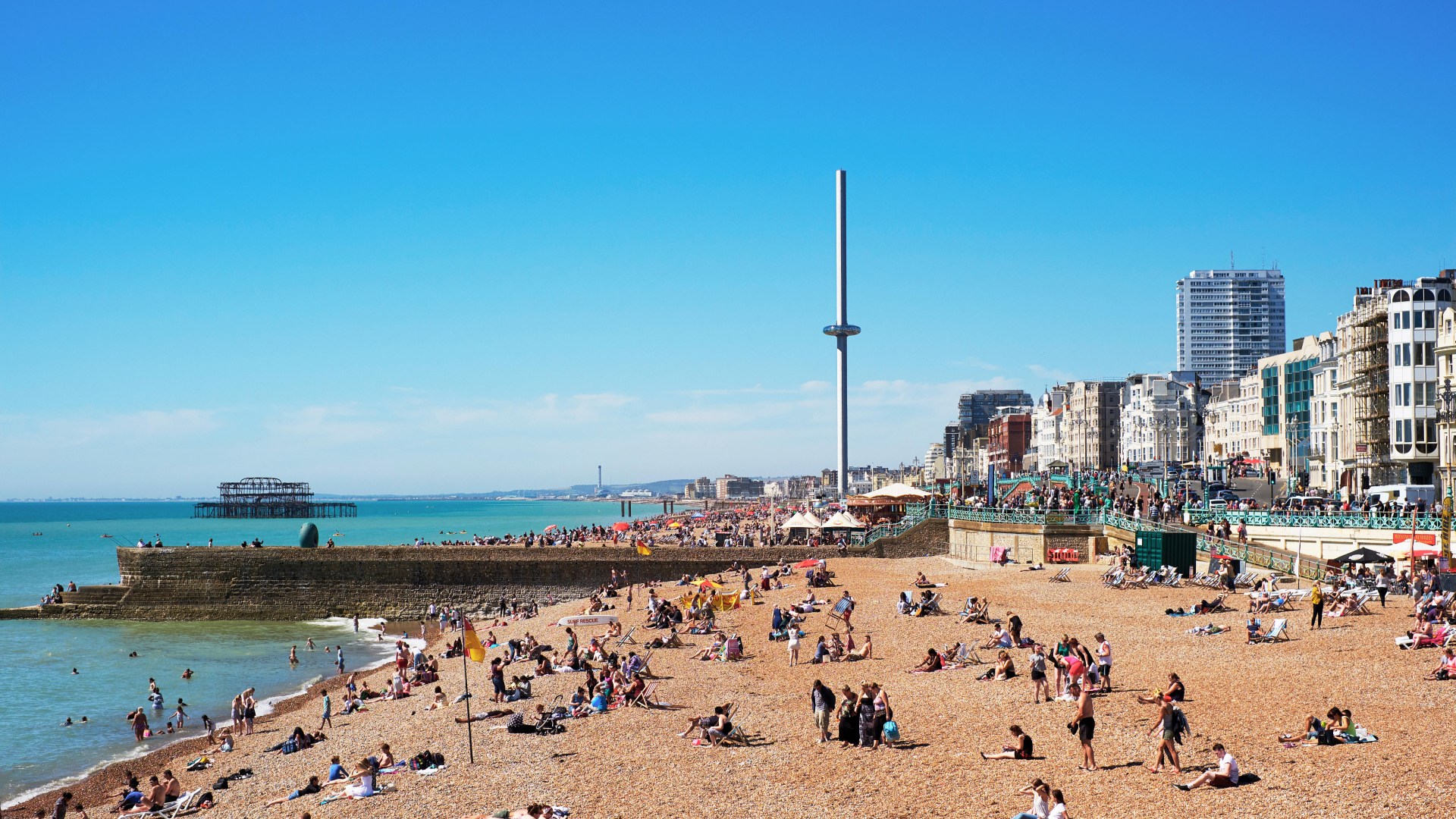
The Brighton i360, a prominent tourist attraction on the Brighton seafront, has ceased operations with immediate effect due to financial difficulties. The 531ft observation tower, conceived by the creators of the London Eye, opened in 2016 with grand ambitions to draw over 700,000 visitors annually. However, the attraction struggled to achieve these projected figures, ultimately leading to its financial demise. The closure marks a significant setback for the city, leaving a void in its tourism landscape and raising concerns about the future of the iconic structure.
The i360’s financial woes were not a sudden development. The company behind the attraction, Brighton i-360 Limited, filed for insolvency in the preceding month, signaling the severity of its financial predicament. Despite a ten-business-day extension to explore potential investment options and secure a buyer, efforts proved futile. Consequently, the board was forced to appoint administrators, ultimately leading to the immediate closure of the attraction. This decision has left staff unemployed and raised questions about the management and long-term viability of such ambitious projects.
The closure of the i360 has been labeled a “financial disaster” by local authorities. Brighton and Hove City Council, which played a significant role in funding the tower’s construction through a £36 million loan from the Public Works Loan Board (PWLB), expressed its disappointment at the outcome. The total debt owed by the i360 to the council has reportedly ballooned to around £51 million, leaving taxpayers burdened with the financial fallout. While the council worked closely with the i360’s management to find a buyer and avert closure, no viable offers materialized, leaving the council with limited options.
The council has clarified that taking over the operation of the i360 is not feasible due to the significant financial burden it would impose on public resources. This leaves the future of the tower uncertain, with the administrators now tasked with exploring potential solutions. The immediate focus is on working with the freehold landowners to identify a potential buyer who can revitalize the business on the site in the coming year. The hope is to find an investor willing to take on the challenge of operating the i360 and transforming it into a sustainable attraction.
The story of the Brighton i360 is a cautionary tale of ambition versus reality. The initial vision for the tower was grand, aiming to create a world-renowned landmark and boost tourism in Brighton. The initial partnership with British Airways, which lent its branding to the tower until 2022, underscored these ambitious aspirations. However, the failure to attract the projected visitor numbers, coupled with the significant debt burden, ultimately led to the attraction’s downfall. The closure now serves as a reminder of the risks associated with large-scale projects and the importance of realistic financial planning.
The i360’s closure comes at a time when Brighton is experiencing other significant developments along its seafront. The multi-million pound renovation of the Madeira Terrace, a Grade II listed Victorian structure, is currently underway, promising to revitalize a historic landmark. This project, in contrast to the i360, focuses on restoring existing heritage rather than creating new structures. The success or failure of the Madeira Terrace project will undoubtedly be scrutinized in the context of the i360’s closure, providing valuable lessons for future development projects in the city. The focus is now shifting towards sustainable, community-driven initiatives that enhance the city’s existing assets rather than relying on high-risk, high-cost ventures.