

Embracing the European Elixir: Unveiling the Secrets to a Longer, Healthier Life
The pursuit of longevity and well-being has captivated humanity for centuries, driving us to explore diverse approaches to enhance our health and extend our lifespans. While advancements in medicine and technology have undoubtedly played a significant role, a closer look at our European neighbors reveals valuable insights into lifestyle choices that may contribute to their impressive life expectancy. Several key factors, easily integrated into daily routines, collectively create a tapestry of habits that promote not just a longer life, but also a more vibrant and fulfilling one.
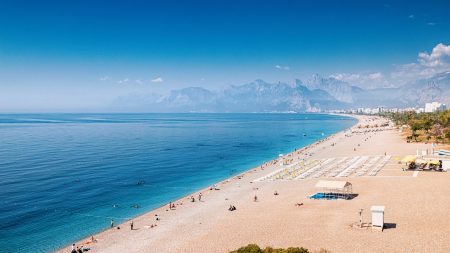
One of the most striking differences between the UK and southern European countries like Portugal is the abundance of sunshine. Basking in over 300 sunny days a year, residents of these sun-kissed regions benefit from a natural boost of vitamin D, a crucial nutrient for maintaining bone density, regulating mood, and supporting overall health. This readily available sunshine also encourages a more active lifestyle, enticing people outdoors to engage in physical activity, a factor strongly linked to increased longevity. However, it’s important to note that this sun-soaked lifestyle is approached with prudence. Locals prioritize sun safety, limiting excessive sunbathing and diligently applying sunscreen to minimize the risk of skin cancer, demonstrating a balanced approach to harnessing the sun’s benefits.
The culinary landscape of Europe is another area where subtle differences contribute to healthier habits. While the continent boasts a tempting array of delectable treats, from Spanish paella to French cheeses and Portuguese pastel de nata, the key lies in moderation and the emphasis on homemade meals prepared with fresh, high-quality ingredients. This approach to food prioritizes quality over quantity, allowing individuals to enjoy a variety of flavors while naturally limiting the consumption of processed foods and unhealthy additives. Furthermore, the cultural emphasis on leisurely meals, savored while sitting down and engaging with others, promotes better digestion and a more mindful approach to eating.
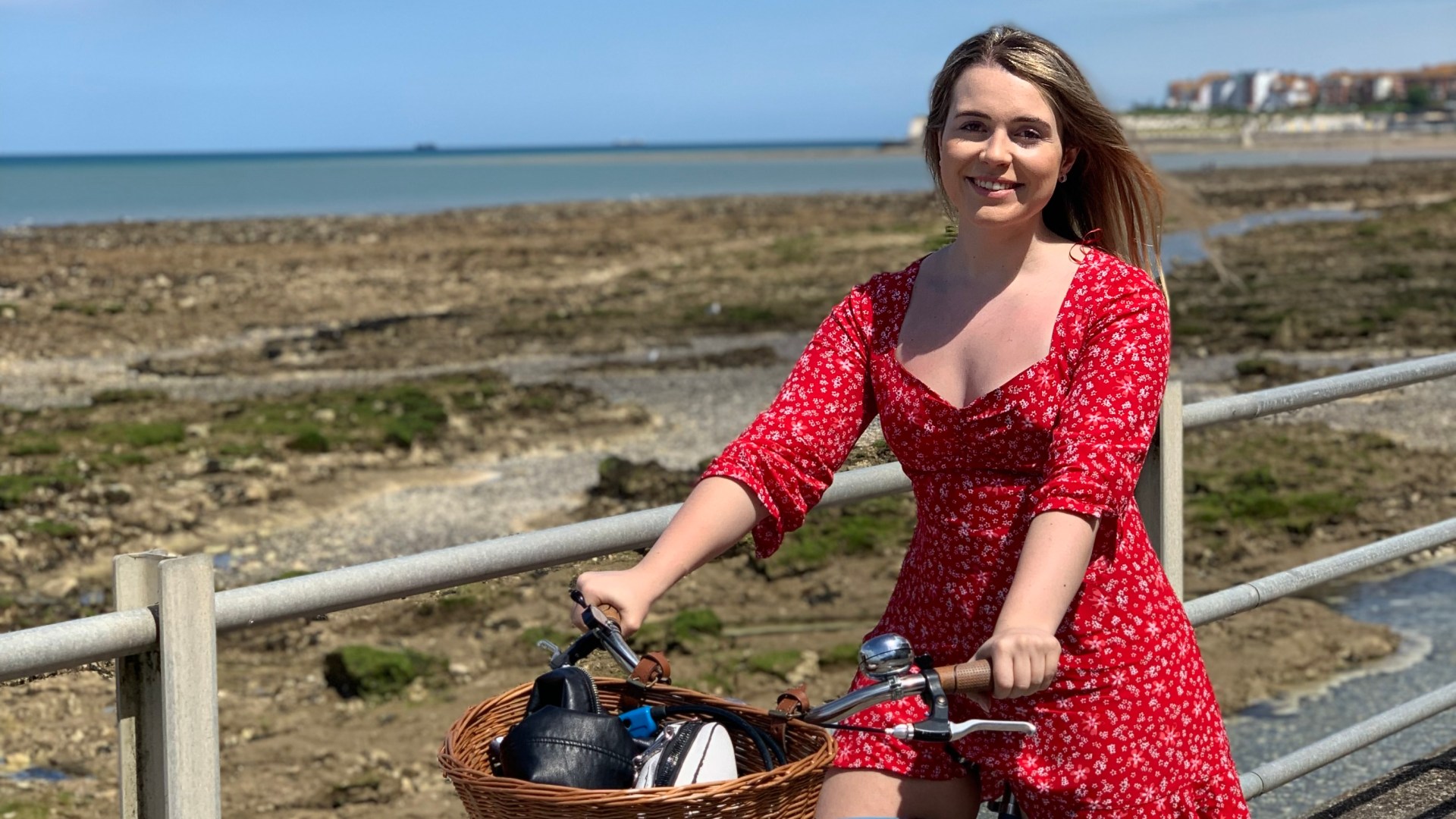
Beyond diet and sunshine, the European lifestyle incorporates a higher degree of incidental physical activity. Unlike the often sedentary habits prevalent in some cultures, Europeans tend to integrate more movement into their daily routines, often without even realizing it. The reduced reliance on online shopping, for instance, necessitates more frequent trips to local shops and markets, adding steps and physical activity to everyday errands. This seamless integration of movement into daily life contributes to overall fitness and well-being, promoting a more active and energetic lifestyle.
The social fabric of European life also plays a crucial role in promoting longevity. Strong social connections and a vibrant community life have been linked to increased life expectancy, and this is reflected in the social dynamics of many European countries. The ubiquitous “café culture” fosters a sense of community and provides ample opportunities for social interaction, strengthening bonds and providing a sense of belonging. Whether it’s engaging in conversation at a local café or gathering with friends and family for festivals and religious events, these social interactions contribute to a richer, more fulfilling life. Additionally, the emphasis on spontaneous social gatherings and relaxed interactions creates a more organic and less pressured social environment, further enhancing the benefits of human connection.
The concept of work-life balance is also deeply ingrained in the European ethos, contributing significantly to overall well-being. Unlike the often demanding work cultures prevalent in other parts of the world, many European countries prioritize a healthier balance between professional and personal life. This is exemplified by the Portuguese, who are known for their dedication to annual leave, often shutting down businesses for extended periods in August to fully embrace vacation time. This commitment to rest and rejuvenation allows individuals to recharge, reducing stress and improving overall quality of life. Furthermore, the legal protection against after-hours work communication reinforces the importance of disconnecting from work and prioritizing personal time, fostering a healthier and more sustainable work-life balance.
In conclusion, the European approach to longevity isn’t about drastic measures or restrictive diets. It’s about embracing a holistic lifestyle that prioritizes simple, yet impactful, habits. From harnessing the power of sunshine to savoring fresh, homemade meals, incorporating regular movement into daily routines, fostering strong social connections, and prioritizing a healthy work-life balance, these interconnected elements create a tapestry of well-being that contributes to a longer, healthier, and more vibrant life. By adopting these principles, we can all strive to incorporate a touch of the European elixir into our own lives, paving the way for a future of enhanced well-being and longevity.