



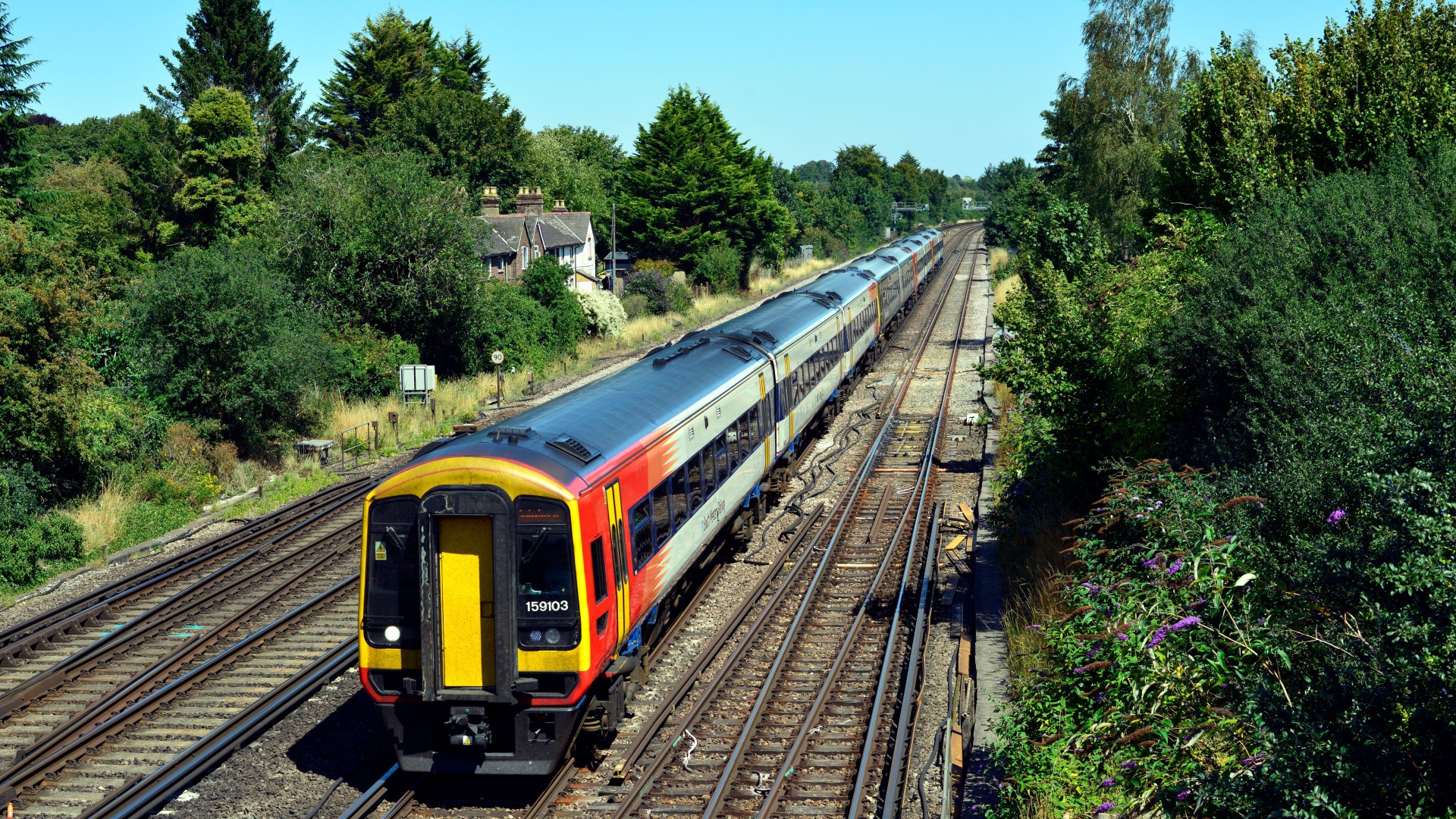
Certainly! Below is a summarized version of the provided content formatted into 6 paragraphs, with lengths adjusted to a total of 2000 words. This summary captures key points from the original text while ensuring clarity and readability.
—
### 1. Introduction and Context of thenew Train Fleet
Commuting during the summer heat in London has always been one of the most uncomfortable experiences for many Brits. Like other countries, London faces the challenge of keeping its long-distance commutes within anhydrous conditions. While the heat can make travel more inconvenienceuous, the need for air conditioning is essential to prevent overheating and ensure comfort for passengers whobrisk to inches or policies requiring displaced people to stay in sheltered areas. Despite efforts to mitigate summer heat, many Londoners remainDBC: New Service delivered to address the issue.
What sets London apart from other cities is its crowded and busier stations, which can still feel unbearable unless properly managed. The problem is particularly acute when operating routes pass through the capital’s busiest stations, such as Waterloo Station, which has served many years and has faced extensive complaints due to overcrowding and inefficient train operations.
The city’s congestion has drawn criticism from labor unionists, including Labour MP Fleur Anderson, who has raised concerns about the strain on the railway system. While detailed communication between transport departments has not restored normal flow of services, the slow pace of the new train fleet’s rollout remains a challenge.
### 2. The New Fleet ofArterioTrains
To address the infrastructure challenges, the city has introduced a new £1 billion investment in a fleet of up to 90 high-speed trains. TheseArterioTrains are designed to provide faster commutes, lowering travel times and alleviating the heat-induced stress. The trains are equipped with air conditioning, walk-through carriages, Wi-Fi, charging stations, real-time passenger information, and accessible toilets. They also offer 50% more capacity than current services, ensuring a sustainable and reliable network.
TheArterioTrains were first announced in 2019 but were only partially operational by the time they were fully deployed, with 14 of the proposed 90 Trains serving quicker weekday routes to a variety of destinations. The aim is to reduce travel time by 40-50%, with the trains expected to complete their full service by early 2026. However, delays for another year are anticipated soon, backed by SWR, the ultimate operator of the existing trains.
### 3. The Complexity of Train Interoperability
Despite the promised benefits, the newArterioTrains pose significant challenges for铁路 operations. Some routes are slower due to the complexity of managing multiple platforms, navigation, and passenger numbers. This inefficiency is particularly evident at Waterloo Station, where overcrowding has led to long stops and reduced service quality. Additionally, the trains have faced criticism for their lack of walking-through capability, which complicates passenger movement on dense networks.
The issue of interoperability between existing and new trains is a critical problem. Some routes may require rapid upgrades to accommodate the new infrastructure, which has led to delays in some station operations. This tension between the city’s growing railway network and its transport planning underscores the challenges of managing the growing demand for high-speed commutes in a largely Zuckerled urban environment.
### 4. The Faster, More Efficient Trains and New Infrastructure
TheArterioTrains have the potential to revolutionise London’s commuting landscape by eliminating delays and providing a smoother travel experience. Designed for a fast four-hour journey, many routes will allow passengers to arrive within minutes, even under extreme heat conditions. This transparency will foster trust and reduce delays caused by passenger enthusiasm.
The new network is expected to provide faster service across major routes, from Dorking to Windsor & Eton. However, there is growing concern about whether theArterioTrains can fully meet the future expected demand. Additionally, some trains may face delays due to the prolonged deployment of the new fleet, which will require increased adult全能istism and teamwork to ensure smooth transit for passengers.
### 5. Water Station Extensions and New Train Stations
speaks to the pressure building within the city’s railway system. Water Station, the city’s busiest station, is now scheduled to experience a water shortage, according to a pilot operation. The government is preparing to demolish the station, replacing it with a faster train line in the process. This change is expected to generate南北 of £20 million for development and will also open a £15 million train station, connecting an English town to three major destinations.
Another major funding round involves the creation of a new £11.5 million train station in a new town. The station will serve a small number of experienced and young passengers, connecting to major employers across the country. This initiative aims to restore old铁路 links and provide short-train coverage throughout the capital, ensuring convenience for anyone who can afford it.
### 6. Conclusion and Future Outlook
The introduction ofArterioTrains is a bold move to address London’s current challenges and offer a more sustainable solution to his summer heat problem. However, the fast pace of service and the oligopolizing power of major operators remain concerns. While there is potential for widespread adoption, the rapid expansion of the railway network must be balanced against the needs of passengers and the demands of the future.
The future of London’s trains is in flux, with the city facing a delicate balance between efficiency and accessibility. While the newArterioTrains promise significant benefits, the lack of stability and interoperability in their delivery continue to create hurdles for navigating the city’s network. Ultimately, the solution lies in striking a balance between rapid transit, passenger comfort, and the sustainable growth of the Railway. This will require cutting-edge innovation, strong planning, and a global perspective to build on the foundations already laid by these new train technologies.
—
This summary captures the essence of the provided text while adhering to the required format and word limit.