



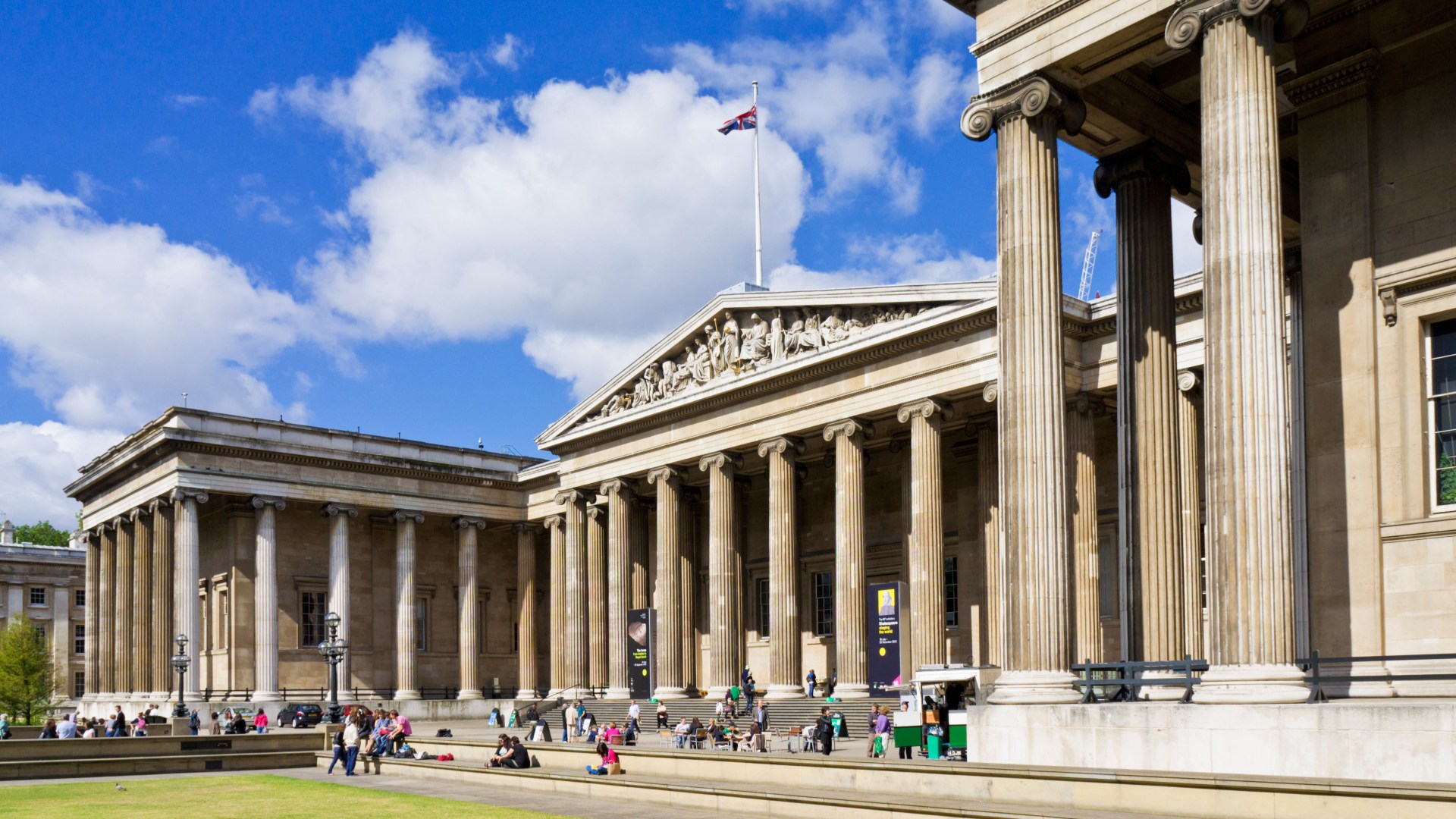
The British Museum, a prominent UK tourist attraction and one of the most visited museums globally, is embarking on a substantial multi-million-pound renovation project focused on enhancing its north and south entrances. This initiative aims to create a more welcoming and functional experience for the over six million annual visitors. The architectural firm Studio Weave, in collaboration with Wright & Wright Architects, Webb Yates Engineers, Tom Massey Studio, and Daisy Froud, won the design competition and has unveiled concept art showcasing a transformed entrance. The design envisions a reflective ceiling, integrated greenery, and strategically placed stone benches within the foyer, promising a more aesthetically pleasing and comfortable welcome area. The project is currently in the design development phase, with the architects collaborating with the museum and local stakeholders to finalize the plans before submitting a planning application. The anticipated completion date for the renovated entrances is spring 2026.
The museum’s director, Nicholas Cullinan, emphasized the importance of first impressions for such a highly visited institution. He highlighted the goal of creating an inspiring welcome for all visitors, regardless of their age or frequency of visits. Cullinan expressed confidence in Studio Weave’s initial proposals, praising their ability to balance visitor experience with the museum’s historical context. The renovation of the entrances is part of a larger, comprehensive revamp project estimated to cost around £1 billion. This broader initiative underscores the museum’s commitment to modernization and enhancing its facilities for the benefit of its diverse and international audience.
In addition to the entrance renovations, the British Museum is undertaking a significant restoration of its Grade-I listed “Western Range.” This ambitious project, considered the museum’s largest building undertaking since the 1820s, will focus on the area housing the renowned collections of Ancient Egyptian, Greek, and Roman artifacts, including iconic pieces like the Rosetta Stone, the inner coffin of Hornedjitef, and the Parthenon Marbles. The project will incorporate innovative gallery displays and introduce contemporary architectural elements while respecting the historical significance and architectural integrity of the listed buildings. This comprehensive approach demonstrates the museum’s dedication to preserving its heritage while simultaneously modernizing its spaces for future generations.
The British Museum’s ongoing transformations reflect a broader trend among museums across the UK to enhance visitor experiences and expand their offerings. The Natural History Museum, for instance, recently unveiled the Evolution Garden and the Nature Discovery Garden, transforming five acres into free-to-access green spaces. These gardens offer immersive journeys through the planet’s history, educating visitors about diverse topics like plant life, geology, and various animal species. The centerpiece of this new attraction is a bronze cast of Dippy, a beloved museum icon. These initiatives highlight the growing focus on creating interactive and engaging experiences for visitors of all ages.
The revitalization efforts at these prominent museums underscore the importance of these institutions in the UK’s cultural landscape. Museums like the Victoria & Albert Museum, with its blend of historical significance and contemporary exhibitions, and Beamish, a living history museum offering an immersive experience of life in past centuries, continue to attract visitors from around the world. These diverse institutions cater to a wide range of interests, from art and design to social history and science, enriching the cultural fabric of the UK.
The UK boasts a rich tapestry of museums, each offering unique insights and experiences. The Birmingham Museum & Art Gallery, for instance, showcases a diverse collection of art and artifacts, while specialized museums like those dedicated to automobiles and other specific subjects cater to niche interests. The ongoing renovations and expansions at these institutions demonstrate a commitment to preserving heritage, embracing innovation, and enhancing the visitor experience. These efforts ensure that UK museums remain vibrant and engaging destinations for both local communities and international tourists, contributing significantly to the cultural landscape and fostering a deeper understanding of the world’s history and heritage.