


Master Summary: McDonald’s’s Entry into the Hospitality Industry
-
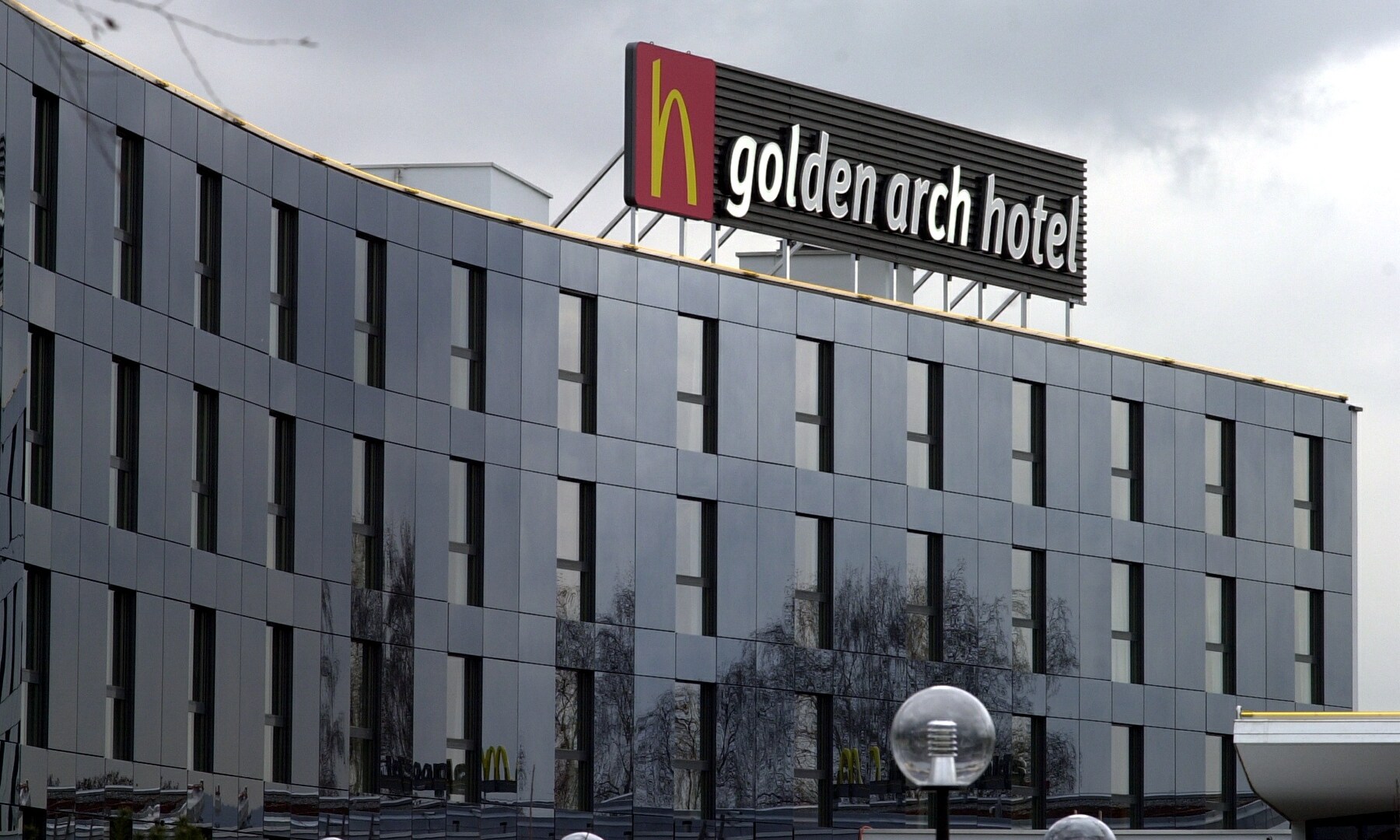
Strategic Move Beyond Food: McDonald’s’s innovative approach included opening the Golden Arch Hotel in Zurich in 2001, setting a precedent for its expansion beyond fast-food offerings. This marked a significant shift in its global sports empire heading towards unique and luxurious properties.
-
Unique Interior Design: The 211-bed property, designed as a four-storey, sleek modernist building, featured high-reflection walls and stone accents. It aimed to blend McDonald’s brand with upscale responsibilities, emphasizing luxury and formality.
-
Impact of the Attacks: The introduction of the Golden Arch Hotel coincided with significant global events, including the U.S. 9/11 attacks. The text notes that the hotel’s closure was linked to these events, though the specific reason is unclear. Recent research suggests a lack of latex lighting as a contributing factor.
-
Expansion Missions: Originally intended to expand the menu, the Golden Arch Hotel failed to achieve its expanded aims before physical construction was completed. Its success as a luxury quintessential remained shrouded in mystery.
-
Unusual Hotel Examples: The text mentions other speculative examples, such as the 18,000-seat properties in Hong Kong and Amsterdam, showcasing a resurgence of unconventional hotel design. These examples highlight the narrative’s theme of innovation and creativity.
-
Global Reflection: TheGolden Arch Hotel’s success to date sparks a national conversation on McDonald’s’s marketing and brand image. Its strategic use of largefacilities and branding aligns with the brand’s global expansion, exploring the possibility that brands could market properties to meet international guest expectations.
In conclusion, theGolden Arch Hotel epitomizes McDonald’s’s leadership in the hospitality industry, merging global perspectives with unique designs. The Casualty Closure note underscores the ongoing quest for innovation in luxury.