



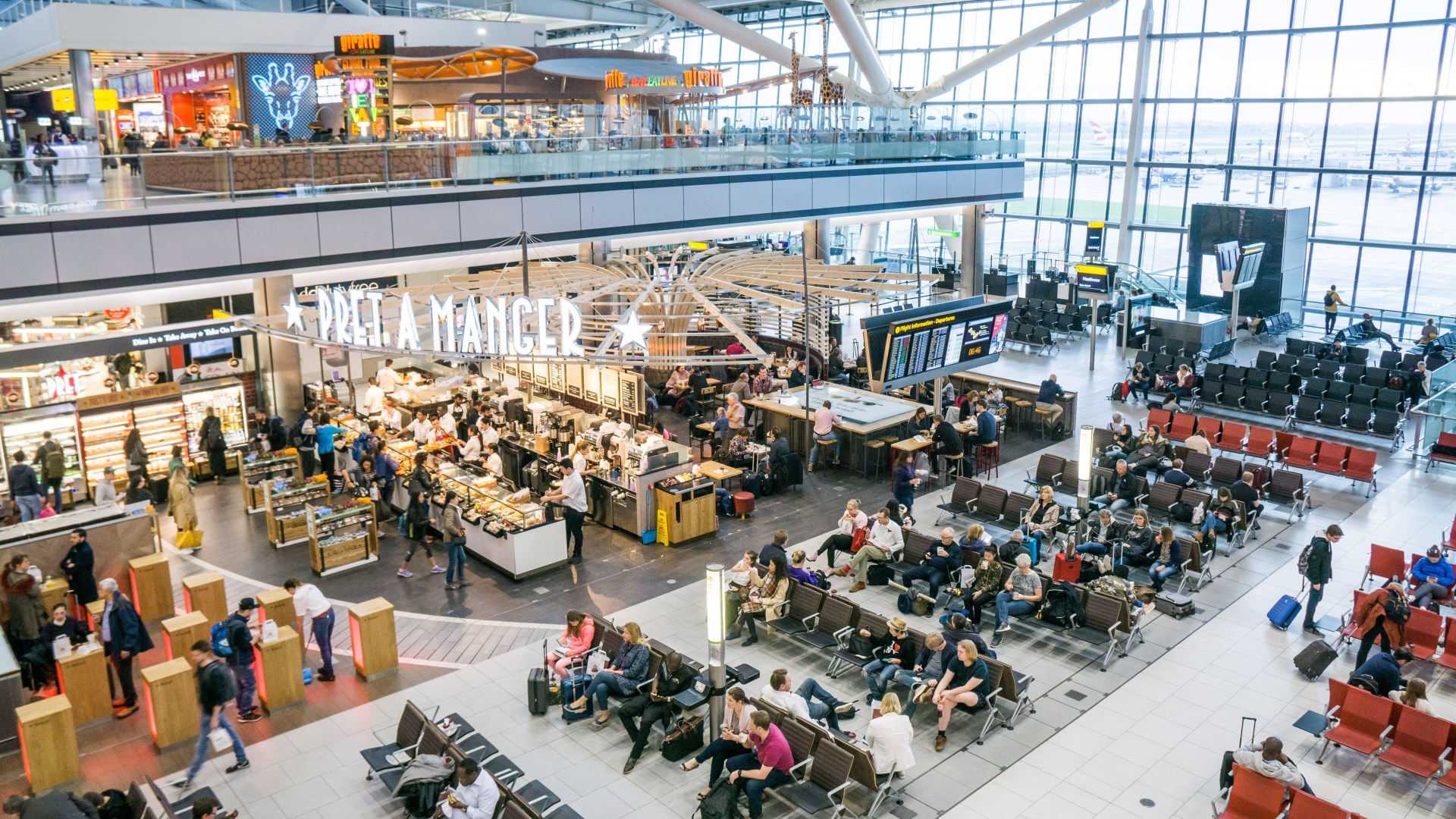
Heathrow’s Multi-Million Pound Transformation: A Gateway to Growth and Enhanced Passenger Experience
London Heathrow Airport, the UK’s largest and busiest aviation hub, is embarking on a transformative £2.3 billion renovation project spanning from 2024 to 2026. This ambitious undertaking aims to modernize the airport’s infrastructure, enhance operational efficiency, and elevate the overall passenger experience. The investment underscores Heathrow’s commitment to maintaining its position as a global gateway and driving economic growth for the UK. The project will be strategically phased, with approximately £1.05 billion allocated for 2025, followed by a further £1.29 billion in 2026. These funds will be channeled into a comprehensive range of improvements across all terminals.
At the heart of the renovation lies the commitment to improving baggage handling systems. Passengers can anticipate a smoother and more efficient baggage delivery process, minimizing delays and lost luggage incidents. The project also encompasses enhancements to both departure and arrival procedures, streamlining passenger flow and reducing waiting times. These improvements are designed to optimize the overall travel experience, ensuring a seamless transition through the airport.
Beyond optimizing passenger flow, Heathrow’s renovation will address critical infrastructure upgrades. Runways will undergo resurfacing to ensure safe and efficient aircraft operations, while the installation of approximately 140 state-of-the-art security scanners will enhance security protocols. This investment in cutting-edge technology aligns with the airport’s commitment to passenger safety and streamlined security procedures. The upgraded scanners are also in anticipation of the eventual lifting of the 100ml liquid restriction, further simplifying the security process for passengers.
Heathrow’s CEO, Thomas Woldbye, emphasizes the airport’s pivotal role as the UK’s gateway to the world and its contribution to economic growth. He highlights the significant private sector investment in the renovation project, underscoring its importance not only for the airport but also for the broader UK economy. The project is expected to create numerous business opportunities across the country, further amplifying its positive economic impact. This investment reinforces Heathrow’s commitment to providing world-class facilities that cater to the needs of airlines and passengers alike.
The renovation project coincides with the launch of several new flight routes from Heathrow, expanding travel options for passengers. British Airways has reinstated flights to Kos and resumed service to Izmir after a hiatus. Additionally, the airline has increased the frequency of flights to Abu Dhabi. Virgin Atlantic has introduced a new route to Bangalore, while Vueling has commenced flights to both Paris and Barcelona. These additions underscore Heathrow’s continued expansion and its commitment to connecting passengers to a wider range of destinations.
Heathrow’s transformation is part of a broader trend of airport renovations across the UK. Bristol Airport is undertaking a £400 million upgrade over the next five years, which includes expanding the terminal and adding new dining options. This investment aims to enhance the passenger journey and potentially pave the way for the return of long-haul flights, including destinations in the US and the Middle East. Similarly, London Stansted Airport is planning a £1.1 billion renovation to accommodate an expected increase in passenger numbers. Birmingham Airport is also investing £300 million in expansion plans, focusing on increased passenger capacity, upgraded security scanners, and the potential for long-haul flights. These investments across various UK airports demonstrate a shared commitment to modernizing infrastructure and enhancing passenger experience to meet the growing demands of air travel.