



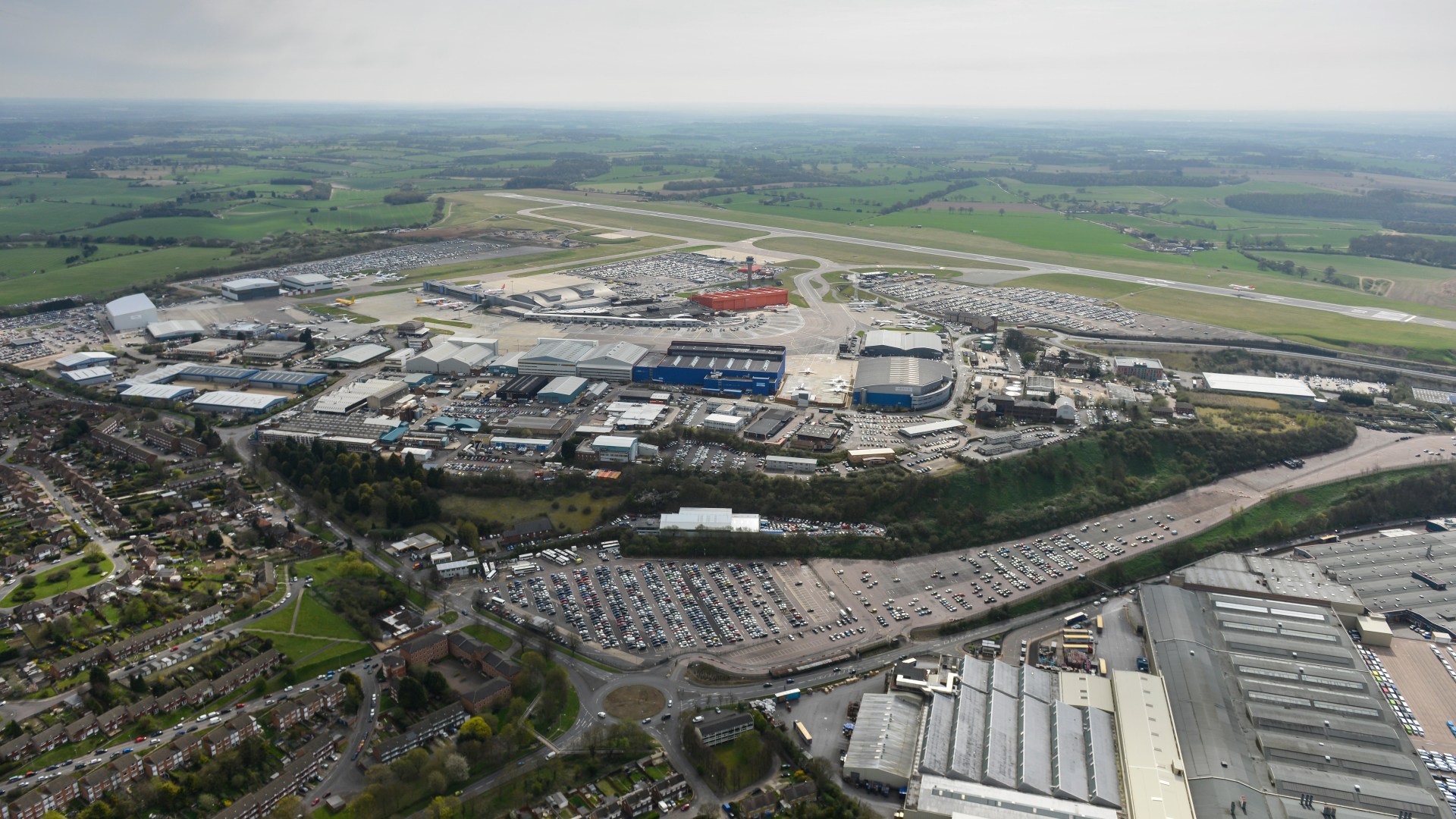
Luton Airport Expansion: A Delayed Decision with Significant Implications
London Luton Airport, a key transportation hub serving the capital and surrounding areas, is at the heart of a proposed £2.4 billion expansion project. Luton Rising, the airport’s owner, envisions a transformative development that includes a new terminal building, expanded airfield platform, new taxiways, and enhancements to the Luton Dart rail service and parking facilities. This ambitious undertaking aims to boost the airport’s passenger capacity by nearly 50%, from 18 million to 32 million passengers annually. The project’s proponents highlight its potential to stimulate economic growth, create approximately 11,000 jobs, and inject £1.5 billion into the local economy. However, the fate of this expansion hangs in the balance as the UK government has delayed its decision on the project for the third time in five months.
The latest postponement came from the newly appointed Transport Secretary, Heidi Alexander, who requested additional time to thoroughly assess the complex application. Originally scheduled for August 10, 2024, the decision was initially pushed back due to the UK general election. A subsequent delay moved the deadline to January 3, 2025. Now, the anticipated decision date is April 3, 2025, although the Department for Transport has indicated a decision could be reached sooner. This series of delays has created uncertainty for the airport, airlines operating from Luton, and the wider community.
The proposed expansion carries significant weight for the region and the UK’s aviation sector. Luton Airport CEO, Alberto Martin, has emphasized the project’s alignment with the government’s objective of achieving the fastest economic growth within the G7. He urged a swift decision in the new year to capitalize on the potential benefits. The expansion would not only accommodate increasing passenger numbers but also strengthen Luton’s position as a vital transportation link. Furthermore, it would support the growth of airlines operating from the airport, such as Jet2, which recently announced plans for a new base at Luton.
Jet2’s decision to establish its 13th UK airport base at Luton underscores the airport’s growing importance in the aviation landscape. Starting in April 2025, Jet2 will offer flights to 17 holiday destinations from Luton, with 430,000 seats already available for purchase. This move reflects Jet2’s strategic expansion in the south of England, building on its existing presence at Stansted Airport. Luton’s convenient rail access to central London and its proximity to densely populated areas make it an attractive location for both airlines and passengers. The airline’s focus on customer service and regional connectivity aligns with the needs of travelers in the area.
Jet2’s new base at Luton Airport also marks a significant milestone for the airline, which has experienced remarkable growth in the past two decades. The company has steadily expanded its network, providing direct flights from regional airports and prioritizing customer satisfaction. This strategy has propelled Jet2 to become the UK’s largest tour operator, holding an ATOL license for over seven million passengers. The Luton base further strengthens Jet2’s presence in the south, complementing its existing operations at Stansted, Bournemouth, and Bristol. While not the cheapest airline operating from Luton, Jet2’s reliability and positive customer experience contribute to its appeal.
The expansion plans for Luton Airport coincide with developments at other London airports. London City Airport has recently received government approval for its own expansion project, while London Stansted Airport has unveiled a £1.1 billion renovation project with the aim of accommodating an additional 20 million passengers over the next 16 years. These initiatives collectively reflect the growing demand for air travel in the London area and the need for increased airport capacity. The outcome of the Luton Airport expansion decision will significantly impact the region’s transportation infrastructure and economic landscape.
The delayed decision regarding Luton Airport’s expansion highlights the complexities involved in such large-scale infrastructure projects. The government’s careful consideration of the application underscores the need to balance economic benefits with environmental concerns and the impact on local communities. The expansion’s potential to generate jobs and boost economic growth must be weighed against potential negative consequences, such as increased noise and traffic congestion. The final decision will have far-reaching implications for the future of Luton Airport and its role in serving the growing demand for air travel in the region.