



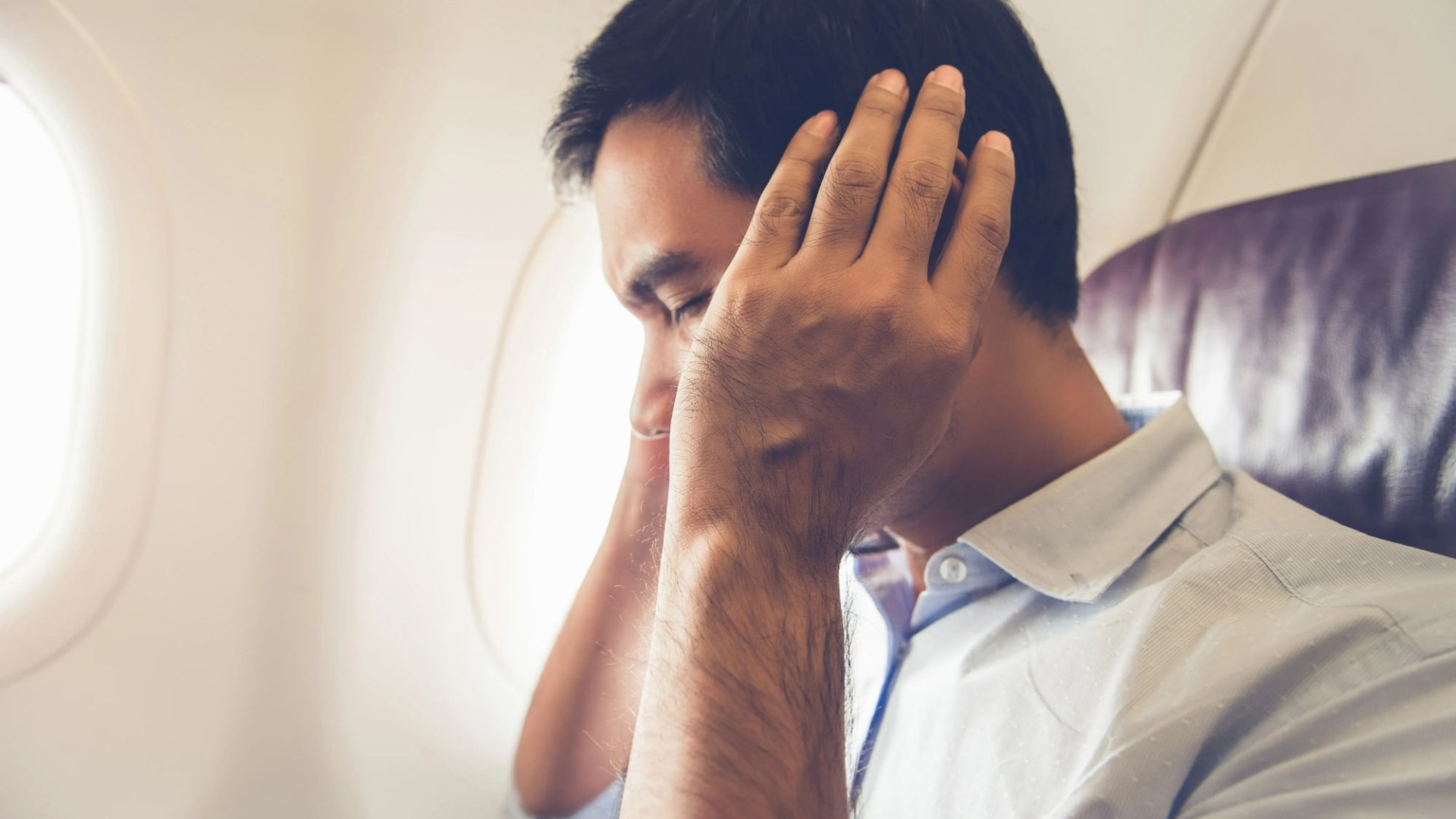
The discomfort of ear pressure during flights is a common woe for many travelers. A recent social media post highlighted a simple yet potentially effective method for alleviating this pain, dubbed the “hot cup” trick. This technique involves placing a tissue inside a paper cup, adding a small amount of boiling water, and holding the cup against the affected ear. The steam and warmth generated within the cup are believed to help relieve pressure and pain in the eardrum. While anecdotal evidence suggests this method can be beneficial, it’s crucial to approach it with caution and consult a medical professional if ear pain persists.
The original poster shared her experience of using the hot cup trick during a flight, claiming it provided relief from intense ear pain, though she suspected a possible eardrum rupture. Others chimed in with their success stories, praising the hack for saving them from agonizing ear pressure during flights. This anecdotal evidence suggests the method’s potential efficacy, though scientific validation is lacking. It’s essential to remember that individual experiences can vary, and the hot cup trick may not be a guaranteed solution for everyone.
While the hot cup method seems promising for some, it raises several important considerations. Firstly, the use of boiling water presents a potential burn hazard, particularly in the confined space of an aircraft. Proper care should be taken to avoid spills and ensure the cup is held securely against the ear without direct contact with the hot water. Secondly, the effectiveness of this method hasn’t been scientifically proven, and relying solely on anecdotal evidence can be risky. It’s always best to consult a medical professional for persistent ear pain or discomfort, as there could be underlying conditions requiring specific treatment.
The discussion surrounding the hot cup trick highlights the broader issue of ear pressure during flights. Changes in cabin pressure during ascent and descent can cause the Eustachian tubes, which connect the middle ear to the back of the throat, to become blocked. This blockage leads to a pressure differential between the middle ear and the outside environment, resulting in pain and discomfort. Various methods are commonly recommended for equalizing ear pressure, including yawning, swallowing, chewing gum, and using specialized earplugs. However, the hot cup trick offers a novel approach that warrants further investigation.
Beyond the hot cup trick, several other strategies can help minimize ear discomfort during flights. Staying hydrated by drinking plenty of fluids can help keep the Eustachian tubes open. Avoiding sleep during takeoff and landing allows for active management of ear pressure through techniques like yawning and swallowing. For individuals prone to severe ear pain, decongestant nasal sprays or oral decongestants can be used prior to flight, but it’s crucial to consult a doctor before using these medications. Specialized earplugs designed for air travel can also help regulate pressure changes and reduce discomfort.
In conclusion, the hot cup trick presents an intriguing potential solution for ear pain during flights, with anecdotal evidence suggesting its effectiveness for some individuals. However, it’s vital to exercise caution when using boiling water and seek professional medical advice for persistent ear problems. Alongside this method, other established strategies like staying hydrated, employing pressure-equalizing techniques, and using specialized earplugs can contribute to a more comfortable flight experience. Further research is needed to determine the efficacy and safety of the hot cup trick, but it adds to the ongoing conversation about managing ear discomfort during air travel. Ultimately, being informed about various approaches allows travelers to choose the methods best suited to their individual needs and preferences.