



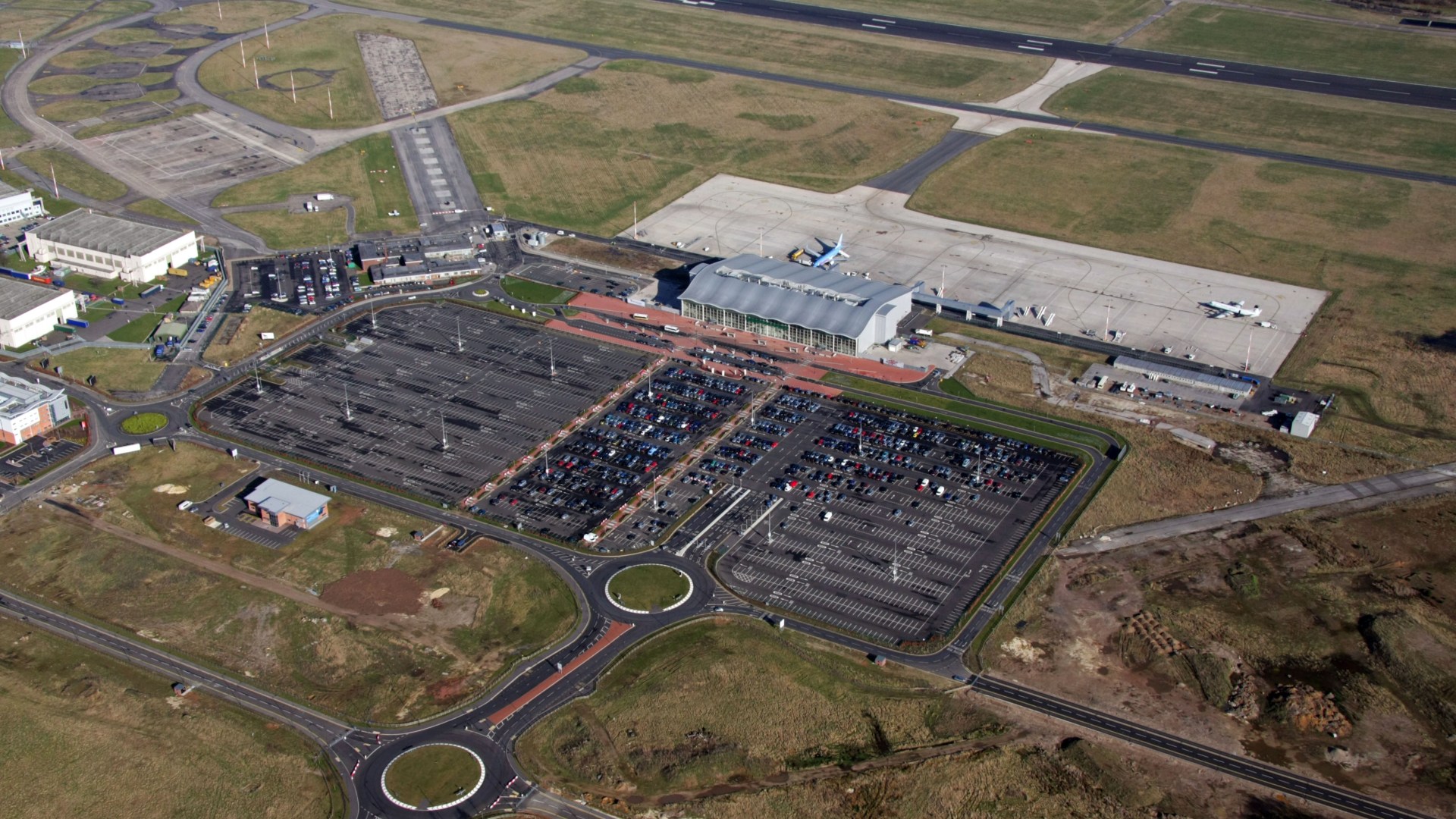
The Closure of Doncaster Sheffield Airport as a Symbol of Future Challenges
Doncaster Sheffield Airport (DSA), the former investment shorts but now-des_SERVER airport currently stands closed after multifaceted attempts to reopen in 2022. In 2022, the airport was forced to shut back, primarily due to declining passenger and visitor numbers and scrutiny by local authorities. The authorities and CMSA (the board responsible for aid) had reported that the airport would remain a key_listener for economic growth, with the DSA believed to have generated over £1.5 billion in revenue since its inception. Meanwhile, there has been renewed hopes from the UK government to reopen the project by 2026, with a £30 million funding package from the UK government aimed at addressing the cost-benefit ratio of the closure.
diminishing support for the airport once again argues that the closed status will further stifle public confidence and ambition in public aviation. The city is%/capitalizing on the potential for renewal, with discussions already underway for a new train station and a new commercial airline, Wygnor TUI, to join the project. However, the closure has deeper implications than simply breaking the air transport cycle. Once operational, the airport would likely boost the local economy by £5 billion, creating nearly 5,000 jobs in the process.
The closure last year was likened to a “double whib” victory for the DSA, with local authorities reflecting growing concerns about the airport’s role as a key business hub. Despite these worrying forebodings, the mayor of South Yorkshire has himself stepped aside, offering a hopeful tone. Oliver Coppard, the then mayor of South Yorkshire, has emphasized that the DSA’s fate will never be-fixed because the region lacks the sustained financial resources to rebuild large air transport hubs. He has expressed resolute optimism about the DSA’s ability to fuel long-term economic and social progress, but highlights the growing绝不 confidence that the project might not hit the spot.
Since its inception in 2005, Doncaster Sheffield Airport has been hosting flights to 50 destinations, including Paris, Majorca, Alicante, Berlin, andDubrovnik, with airlines ranging from Flybe to TUI. The airport has also served as aarih什乎 shop in 2019, reinforcing its interpretation of its former status as a place of business and community support for local industries, rather than having been taken over by giant airlines.
Despite the challenges, a new idea has emerged for tackling these concerns: the construction of a new train station to reduce operational costs and arm the airport with the means to sustainably meet demand. Meanwhile, the EU appears to support Doncaster Sheffield Airport by offering £1 billion for its project, while a UK-based private investor has announced £2.2 billion of private investment to complete.
Under the mayor’s guidance, the city seeks to build from the ground up, prioritizing innovation and sustainability. As the Schumer regime for Doncaster Sheffield Airport continues to be clarified, the future of this once-only institution is navigating a challenging decade in a vast national conversation about air transport and public space. The closure of the airport reflects not just an economic issue, but a profound Afghanistan of public trust in the region. Over the years, these challenges have revealed why the,arr located community still needs to rebuild its connection to air space, its economic base, and its broader identity as something far more than just a destination.