



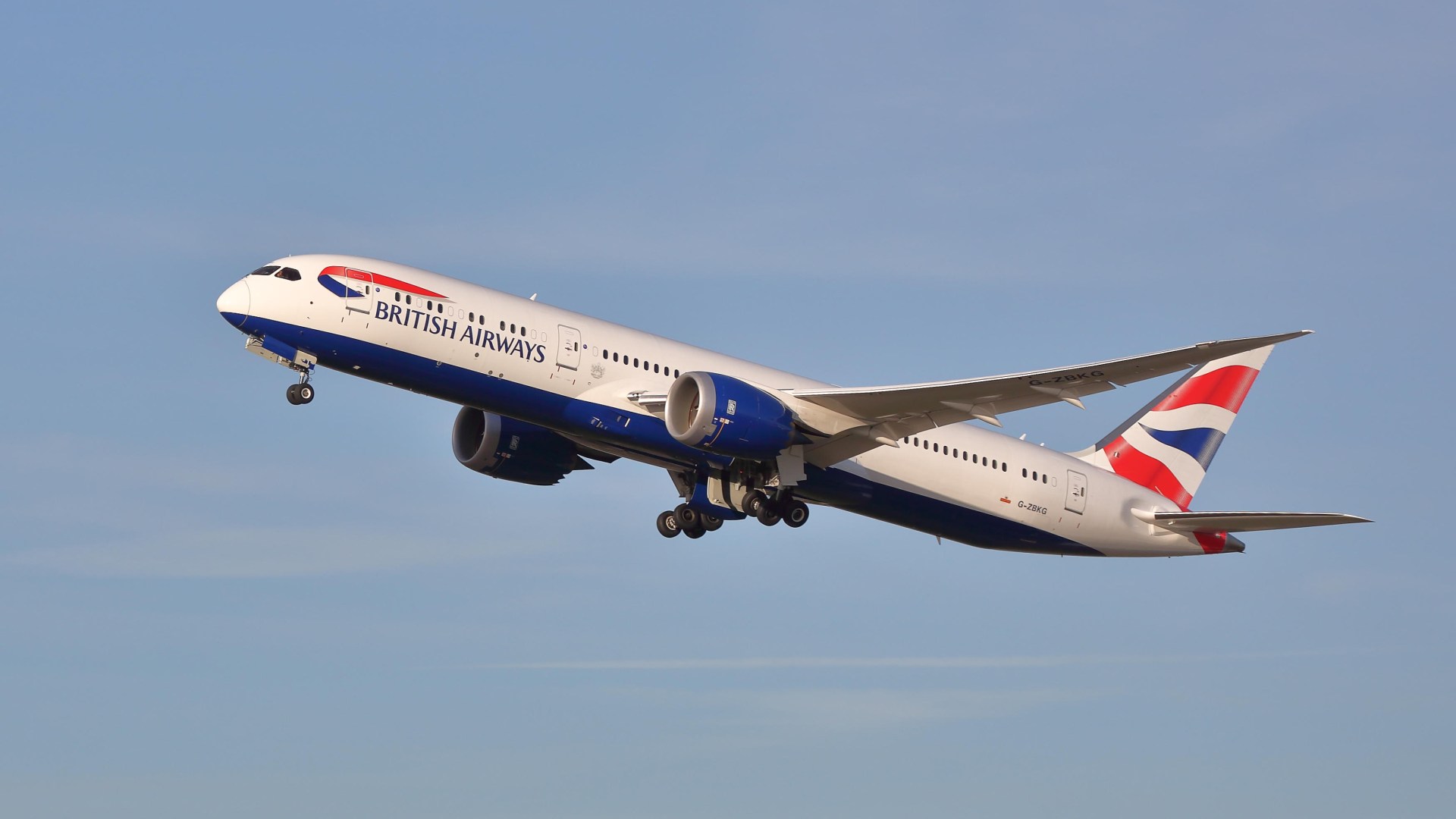
British Airways (BA) has announced the suspension of all flights between London Heathrow and Abu Dhabi, a popular tourist destination, for a significant period extending from March 30 to October 25, 2024. This disruption stems from ongoing engine-related issues affecting the airline’s Boeing 787 Dreamliner aircraft, specifically problems with the Rolls-Royce Trent 1000 engines that power these planes. The suspension comes as a setback, particularly as it follows the relatively recent relaunch of the Heathrow-Abu Dhabi route post-pandemic, marking a renewed focus on this key travel corridor.
The core issue revolves around delays in the delivery of both engines and essential parts from Rolls-Royce, the manufacturer of the Trent 1000 engines. These delays have created a bottleneck in BA’s operational capacity, directly impacting its ability to maintain the Heathrow-Abu Dhabi service. The airline has attributed the decision to suspend the route to the protracted nature of the engine supply issues. Rather than endure ongoing uncertainty and potential further disruptions, BA has opted for a proactive approach, providing customers with advanced notice of the cancellation and offering alternative travel arrangements.
British Airways has expressed its disappointment regarding the necessity of this suspension, acknowledging the inconvenience it will cause to passengers. The airline has emphasized its commitment to offering affected customers alternative flight options wherever possible. This includes rebooking passengers on same-day flights, either with British Airways itself or with one of its partner airlines. This approach aims to minimize the disruption to travel plans and provide customers with continued access to their intended destination.
BA has also underscored its ongoing engagement with Rolls-Royce. The airline is actively communicating the impact of the engine delays on its flight schedule and the resulting repercussions for passengers. BA is seeking assurances from Rolls-Royce regarding a swift and dependable resolution to the engine supply issues. This proactive communication underscores BA’s commitment to resolving the underlying problem and minimizing future disruptions. The airline’s focus is on ensuring both the reliability of its fleet and the smooth operation of its flight schedule.
The suspension of the Heathrow-Abu Dhabi route highlights the interconnectedness of the aviation industry and the impact that supply chain disruptions can have on airline operations. The reliance on specific engine models and the limited availability of replacement parts can create significant vulnerabilities for airlines. This incident underscores the importance of robust supply chain management and the need for contingency plans to mitigate the impact of unforeseen disruptions. It also highlights the crucial role of communication and collaboration between airlines and their suppliers in navigating such challenges.
This situation represents a significant operational challenge for British Airways and a disappointment for travelers planning to use the Heathrow-Abu Dhabi route. The airline’s proactive approach in suspending the route, offering alternative arrangements, and engaging directly with Rolls-Royce aims to minimize the impact on passengers and work towards a long-term solution. The success of this strategy will depend on the timely resolution of the engine supply issues and the effectiveness of BA’s customer service in managing the rebooking process. The situation also serves as a case study in the challenges of managing complex supply chains within the aviation industry and the importance of proactive communication and contingency planning.