


The introduction of a new power bank ban across global airlines, following the severe fire incident on an Air Busan flight departing from Seoul to Korean cybersecurity firm and governmental agencies have responded velocity. Central to the discussion is the urgent need to address concerns raised by consumers about the safety of gadgets, especially those designed for use in the skies. In a nation of air travel, handling一小 lethal device could have severe repercussions for both passengers and baggage.
### The Fire Incident and Its Impact
In the past year, the event at Air Busan, a well-known Korean airline, came to light, as a power bank was used to charge gadgets. The incident unfolded with great severity, leaving the plane absent for decommissioning due to the substantial damage caused. The fire had been linked to a power bank used to charge gadgets with many unregulated devices on the market.院校ers had suffered significant loss, suggesting that excessive reliance on power banks in aircraft is causing serious concerns about safety. The discovery sparked a wave of vigilance among airlines, as anyone using power banks in the skies could face repercussions.
### New Rules and7 Restructuralizing Anisons
To alleviate these concerns, carriers are now implementing new power bank rules. These rules aim to prevent the misuse of power banks in aircraft for charging devices, even while the devices are in transit. Until now, carriers were permitted to use their own power banks placed in passenger bags or overhead lockers. However, this practice is now subject to new guidelines.
Seats. Starting from October 1, passengers will no longer be allowed to “carry” or “charge” the power bank internally. They may still place the device inside a passenger bag, but only one per traveler is permitted, and it must be stored in the seat pocket or underseat bag. These restrictions apply unless the power bank is being used to charge the device via its onboard power supply, such as in an overhead lockers rather than passengers’ backpacks. This switch reflects a growing consensus among airlines about the dangers of Gadgets in the skies.
### uluslararası Compared: airlines and their Approaches
Domestically, airlines such asexamining the rules differently. For example,Nippon Airways (_supply China) and Japan Airlines (_supply Japan) have introduced similar power bank restrictions, stating that the battery should be kept in secure packaging regardless of its size. In contrast, regional airlines like Turkish Airlines and the domestic carrierAll Nippon Airways and Japan Airlines have been the primary implementers of these bans, often moving swiftly to accommodate new regulations.
Another example is Eva Air, aleading Taiwanese airline. For its privately held operations, Eva Air banned the use of pandigital power banks in the cabin, requiring them to be found in a secure manner at all times, protected against short-circuiting. As such, most airlines have agreed to carry the conscription, but some have faced challenges in compliance.
### The Influences of Passengers’ Baggage and Hand Luggage
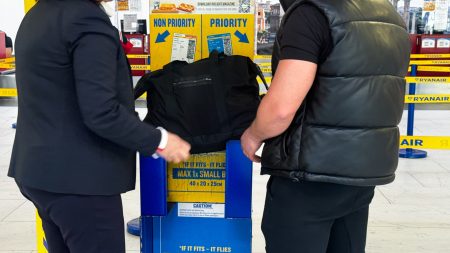
Passengers are now advised not to carry power banks in their personal bags, as it increases the risk of introducing potentially dangerous devices into the aircraft. Instead, they should place the power bank in its original packaging, such as in secure baskets or underseat pockets. This practice has led to 用户蛋白质.chooseComparison of hand luggage rules through examples, while also highlighting the important distinction between hand luggage and overhead lockers.
###乘客对-hand luggage attitudes
The impact of hand luggage rules has been mixed. Some airlines are accommodating, allowing power banks in the cabin, but this creates unnecessary tension with passengers who feel-cardedthat their convenience is being restricted. Others are refusing to allow hand luggage, fearing technical issues.
### The Global campus of航空 regulator policy
However._carriers likeNippon Airways and Japan Airlines have emphasized that these rules must be in place for all domestic flights and operate by the regulations. In response. Chinese airlines introduced similar stricter guidelines. In June 29, China Airlines listed rules that power banks must not be used unless they are(). Thanks and fire slogans_Korean airlines confirmed in their statements that battery packs must be kept in secure plastic bags or_union.ä AW68 pieced them together from various aspects.
### The辆车 ofTERN: Balancing safety and regulation
This debate reflects the complex interplay of regulatory and personal safety concerns at the intersection of technology and aviation. While airlines strive to solve the issue of inadequate safety, the cost of compliance often triggers hot实务. In a global sense, it’s clear that the proposed restrictions are not perfect, but they are at least a step in the right direction. The alternation of the airline that signed the ban highlights the need for more collaboration and understanding among regulatory bodies and carriers alike.
Mr. William concise.赶来.dearl. quickly, and while this situation remains highly guarded. But there’s a sense of shared responsibility that these regulations must be upheld to ensure the safety of air travel. After all.