



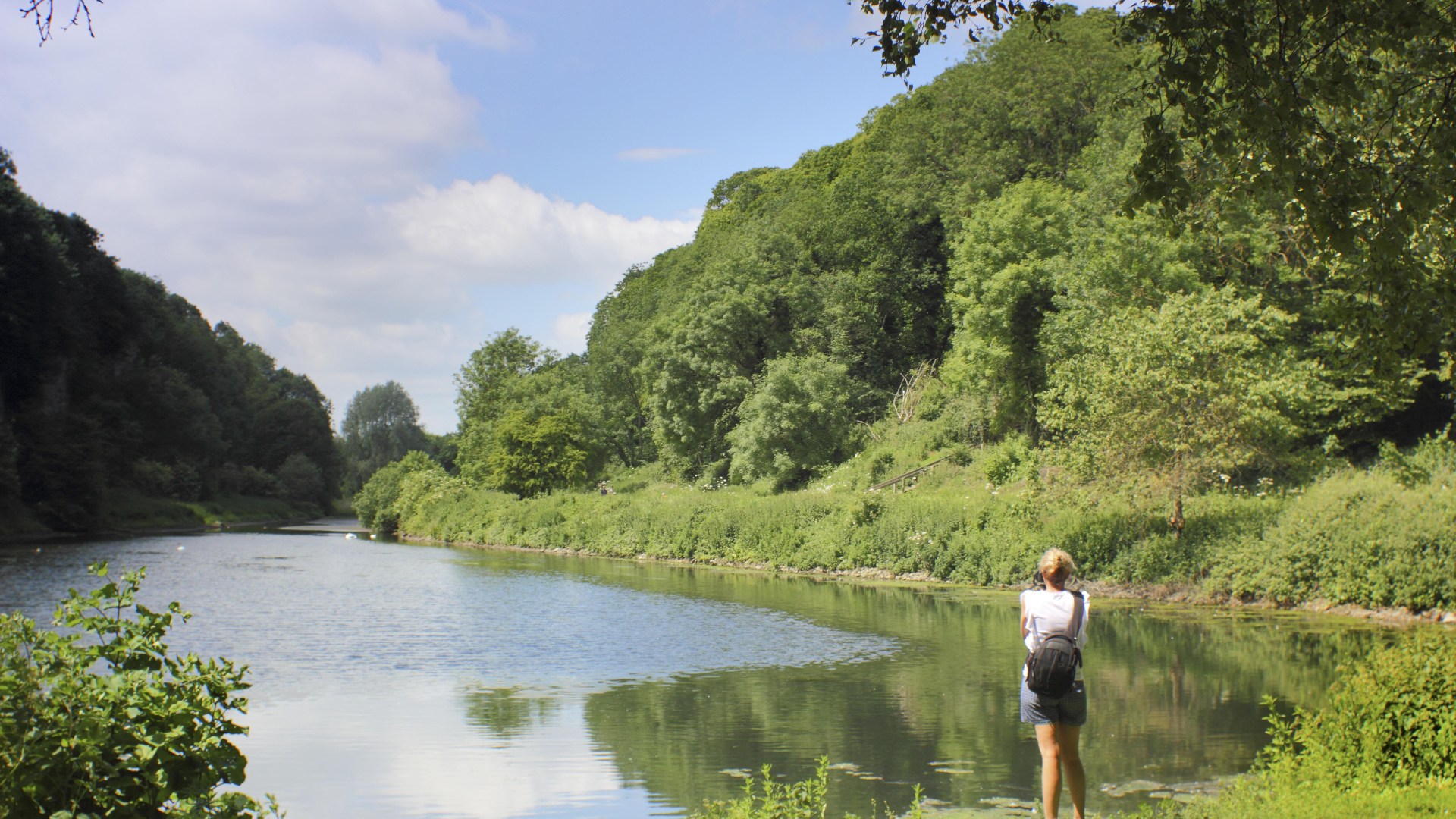
Creswell Crags, nestled on the border of Derbyshire and Nottinghamshire, is not just a place of scenic beauty but also a site of significant historical importance. The limestone gorge, with its imposing walls resembling grey Lego bricks, cradles a series of caves that hold remarkable secrets of the past. These caves served as a refuge for humans and animals alike, offering a glimpse into life during the Ice Age and beyond. The site’s significance is underscored by its unique location; during the Ice Age, Creswell Crags marked the edge of the habitable world, with an impenetrable ice sheet stretching northwards. This geographical extremity makes the discoveries within the caves all the more compelling, showcasing the resilience and adaptability of both humans and animals in a challenging environment.
The Creswell Crags visitor centre introduces visitors to the captivating history of the site, beginning with a warmer period around 120,000 years ago. This era, characterized by the presence of now-extinct creatures like rhinos and hippos, is attested to by fossil remains discovered within the caves. The museum displays a fascinating array of finds, including a narrow-nosed rhinoceros jaw, a hippo jaw and tusk, a wolf’s leg bone, an arctic fox’s jaw, and even fossilized hyena droppings containing the bones of their prey. These artifacts not only reveal the diverse fauna that once roamed this area but also provide valuable insights into the prevailing climate and environmental conditions of the time. The collection underlines the rich tapestry of life that existed within this unique landscape long before modern humans arrived on the scene.
Beyond the fossilized remains of ancient animals, Creswell Crags boasts another remarkable treasure: Ice Age rock art. These engravings, created with stone tools and painted with ochres in shades of yellow, orange, red, and purple, depict animals such as woolly mammoths and cave lions that inhabited the area during the Ice Age. The art is estimated to be around 12,800 years old, based on the dating of flowstone that has grown over some of the engravings. Remarkably, this collection of cave art is considered the northernmost example found in Europe, solidifying Creswell Crags’ significance as a habitable refuge at the edge of the icy expanse. The presence of this artwork provides tangible evidence of human activity and artistic expression in this challenging environment, offering a unique window into the minds and lives of those who sought shelter within the caves.
Visitors to Creswell Crags have two options for exploring the site. A self-guided tour allows for leisurely exploration of the museum and a scenic walk along the gorge, where wooden carvings of the animals discovered in the caves dot the meadow. However, to venture inside the caves and witness the remarkable rock art firsthand, a guided tour is essential. Church Hole, accessible between April and October, houses the majority of the rock art. Robin Hood Cave, the largest of the 24 caves at Creswell Crags, offers year-round tours. This dry cave, devoid of flowing water, provided an ideal shelter for prehistoric humans and Neanderthals, who primarily occupied the outer sections, avoiding the deeper, darker reaches where predators like bears and lions likely lurked.
During a guided tour of Robin Hood Cave, visitors are transported back in time. The guide demonstrates how early inhabitants crafted tools from deer antlers and animal sinews, highlighting their resourcefulness and ingenuity. The discovery of flint, sharper than modern surgical instruments, suggests either long-distance trade or migration from areas like East Anglia, where flint naturally occurs. The 19th-century excavations of Robin Hood Cave unearthed a wealth of archaeological treasures, but even today, remnants of the past remain. Bone fragments embedded in the cave walls and a mysterious triangular engraving serve as reminders of the cave’s rich history and the enduring mysteries it still holds. The triangle, in particular, stands as a testament to the artistic expression of Britain’s earliest inhabitants.
Creswell Crags offers a captivating blend of natural beauty and historical significance. The limestone gorge, with its intricate network of caves, preserves a remarkable record of life during the Ice Age and beyond. From fossilized remains of extinct animals to the evocative rock art created by early humans, the site provides invaluable insights into the challenges and triumphs of life at the edge of the habitable world. The guided tours, particularly within Robin Hood Cave, bring the past to life, allowing visitors to connect with the resourcefulness and creativity of those who sought refuge within these ancient walls. Creswell Crags is more than just a collection of caves; it is a portal to the past, offering a unique opportunity to understand and appreciate the lives of those who came before us.