



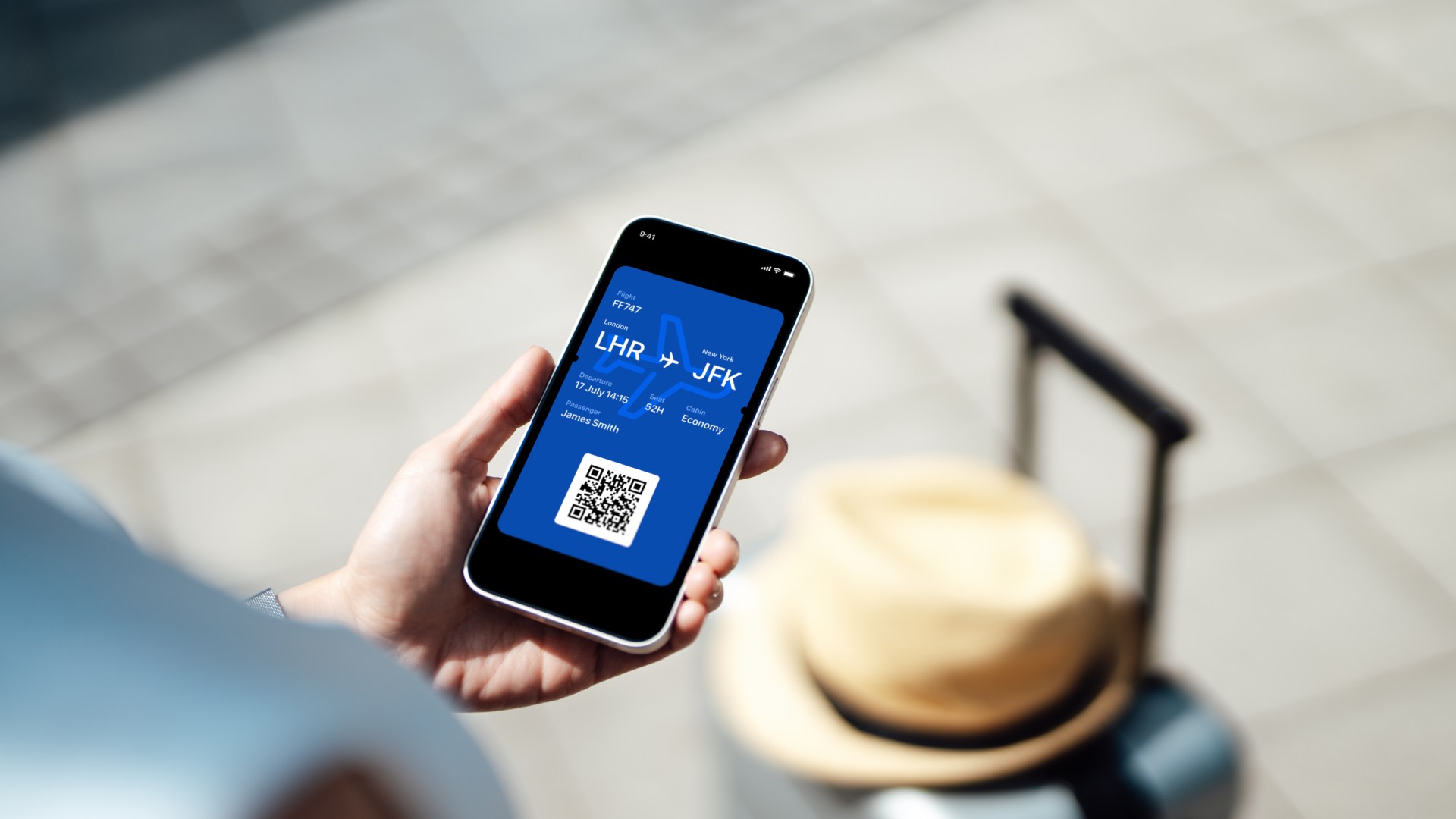
The increasing reliance on digital boarding passes has introduced a new set of potential travel woes, as highlighted by a recent social media post urging passengers to always screenshot their passes. While digital passes offer convenience, they can be susceptible to changes and errors, leaving travelers stranded or downgraded without proof of their original seat assignment. The advice stems from a passenger’s personal experience of being upgraded to first class, only to be informed later that the upgrade was a mistake. Upon returning to their original economy seat, they discovered it had been occupied by another passenger. Fortunately, a screenshot of the original boarding pass served as irrefutable evidence of their assigned seat, preventing a potentially frustrating and lengthy dispute. This incident emphasizes the importance of having a backup copy of your boarding pass, as digital versions can be altered without the passenger’s knowledge.
The passenger’s story resonated with numerous other travelers who shared similar experiences or expressed concerns about the potential for seat changes and digital boarding pass malfunctions. Many commenters thanked the original poster for the valuable tip, emphasizing the importance of safeguarding against unexpected issues, such as connectivity problems or app errors. The prevailing sentiment was that a simple screenshot could save travelers from significant inconvenience and potential disputes with airline staff. This advice extends beyond just seat changes, as a screenshot can also serve as a backup in case of phone battery failure or loss of internet access, ensuring passengers have readily available proof of their travel arrangements. The recommendation to save the screenshot to a phone’s wallet application was also suggested, though another commenter pointed out that wallet applications may automatically update to reflect changes in the boarding pass, negating the benefit of having a static record of the original assignment.
The discussion surrounding digital boarding passes and their potential pitfalls coincides with Ryanair’s recent announcement to phase out paper boarding passes completely. This move, aimed at streamlining the boarding process and reducing costs, will require all passengers to rely solely on digital boarding passes. While this transition further emphasizes the convenience of digital passes, it simultaneously underscores the importance of taking precautions to safeguard against potential issues. The airline’s current policy of charging passengers a substantial fee for checking in and downloading their boarding passes at the airport will likely be enforced even more strictly with the complete elimination of paper passes. This adds another layer of urgency to the advice of screenshotting digital boarding passes, as passengers could face significant financial penalties if they encounter technical difficulties or experience changes to their boarding pass without having a backup copy.
The incident and the ensuing discussion highlight a broader issue within the airline industry: the potential for errors and inconsistencies in digital systems. While technology has undoubtedly improved many aspects of air travel, it has also introduced new vulnerabilities. Passengers are increasingly reliant on digital platforms for booking, check-in, and boarding, making them susceptible to glitches, errors, and unauthorized changes. The reliance on digital boarding passes, coupled with the increasing practice of airlines overselling flights, creates a scenario where passengers may be inadvertently displaced or downgraded. This underscores the need for airlines to implement more robust systems and procedures to ensure the accuracy and reliability of digital boarding passes and to protect passengers from the consequences of system errors.
Furthermore, the story serves as a reminder for passengers to be proactive and assertive in protecting their travel arrangements. Taking a simple step like screenshotting a boarding pass can prevent significant headaches and potential disputes. It also empowers passengers to advocate for themselves in situations where errors occur. Having tangible proof of the original booking details can be crucial in resolving issues quickly and effectively, avoiding lengthy delays and potential missed flights. In addition to screenshotting boarding passes, passengers are advised to review their travel documents carefully, ensuring all details are correct and consistent. Notifying the airline immediately of any discrepancies can prevent issues from escalating at the airport.
Finally, this discussion underscores the evolving landscape of air travel and the need for passengers to adapt to new technologies and procedures. While digital boarding passes offer undeniable convenience, they also introduce new risks and challenges. By being aware of these potential pitfalls and taking proactive steps to protect themselves, passengers can navigate the complexities of modern air travel more effectively and minimize the chances of encountering frustrating and costly disruptions. The simple act of taking a screenshot can provide peace of mind and ensure a smoother, less stressful travel experience.