


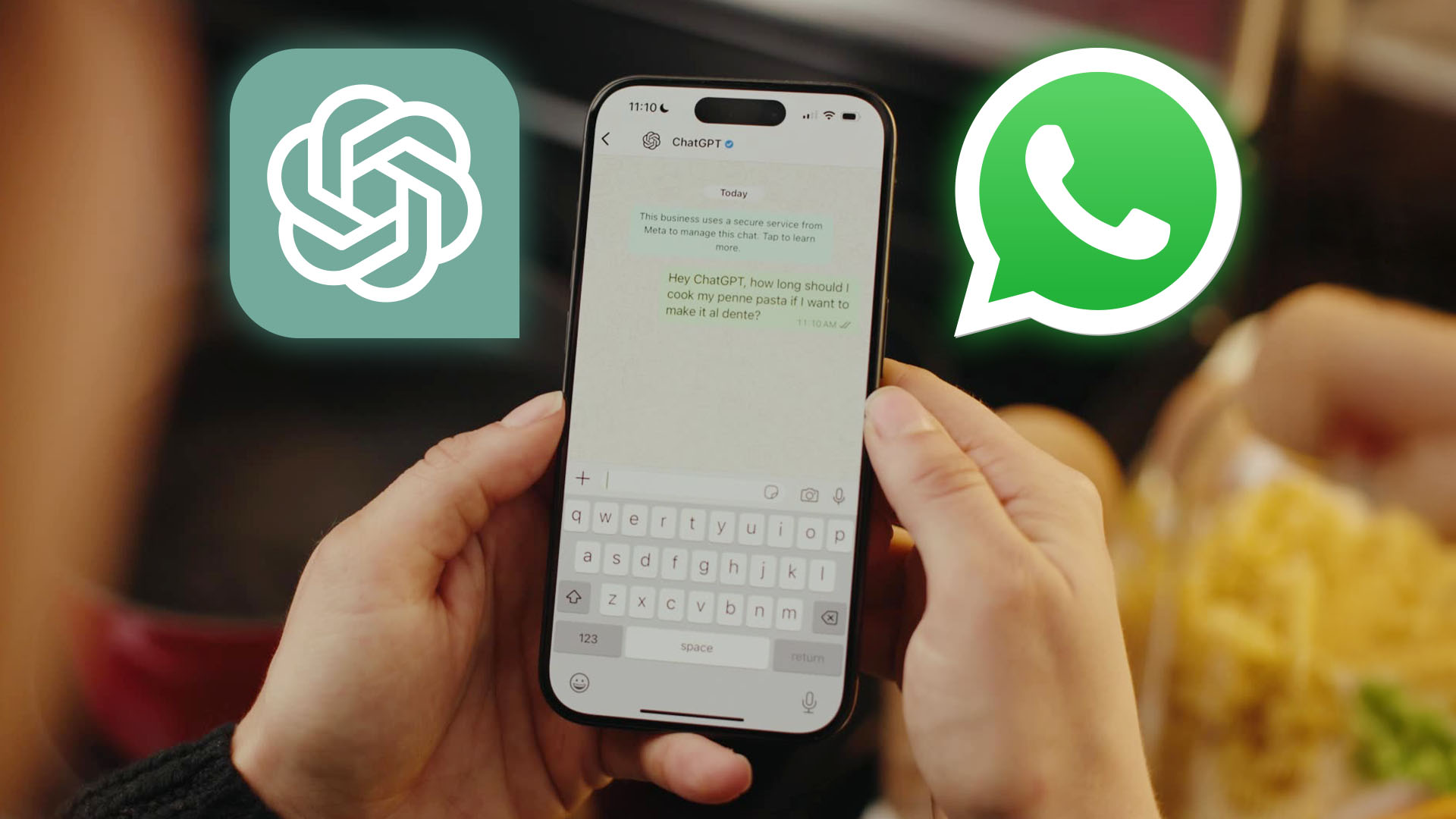
The integration of ChatGPT, a popular AI chatbot, into WhatsApp has generated mixed reactions from users. While touted as a convenient way to access the chatbot via a designated phone number (1-800-242-8478) directly within the messaging app, the WhatsApp version of ChatGPT suffers from a significant limitation: its knowledge base is cut off at January 2022. This means it’s unaware of any events or information that transpired after that date, rendering it effectively outdated and less useful for inquiries about current affairs, recent developments, or any information post-January 2022. OpenAI, the company behind ChatGPT, has acknowledged this limitation, characterizing the WhatsApp integration as an experimental feature.
Users have expressed their disappointment with the outdated nature of the WhatsApp ChatGPT. They argue that its limited knowledge base undermines its usefulness and question the purpose of integrating a dated version of the AI. The inability to process images or other media further restricts its functionality compared to the full ChatGPT experience or other AI alternatives. The criticism points to the discrepancy between the advertised potential of readily accessible information and the reality of receiving responses based on a nearly three-year-old dataset.
OpenAI attributes the decision to integrate ChatGPT into WhatsApp to accessibility concerns. The company recognizes that consistent access to high-speed internet, required for the full ChatGPT experience, can be challenging and expensive for some users. The WhatsApp integration, therefore, aims to provide a lightweight alternative accessible even with limited data connectivity. However, the inherent limitations of this approach have raised questions about the trade-off between accessibility and functionality.
Despite the criticisms leveled against the outdated knowledge base, OpenAI suggests that the WhatsApp version of ChatGPT still holds value for certain applications. It can assist with creative writing endeavors, aid in project planning, offer recommendations, and engage in conversations about general topics such as news (prior to 2022), hobbies, or trivia. The company encourages users seeking a more comprehensive and up-to-date experience to use the primary ChatGPT service accessible through its dedicated interface.
Beyond the WhatsApp integration, OpenAI has also introduced a phone-based interaction feature for ChatGPT in the US. Users can call 1-800-CHATGPT to engage with the AI chatbot conversationally. However, this service also comes with a usage cap, limiting users to 15 minutes per month. Both the WhatsApp and phone-based integrations appear to be focused on expanding access points for interacting with ChatGPT, albeit with limitations on data freshness and usage time.
The emergence of AI technologies like ChatGPT presents both exciting possibilities and potential risks. While AI-powered scams are a growing concern, it’s crucial to remember that they often leverage the same tactics as traditional scams, just with a more sophisticated veneer. Remaining vigilant and applying common-sense precautions can significantly mitigate the risk of falling victim to these scams. Skepticism towards unrealistic claims, caution with overly enticing offers, and resisting pressure to make hasty decisions, especially financial ones, are crucial. Furthermore, verifying identities through safe words or phrases with close contacts, avoiding unsolicited links, and protecting sensitive information are vital safeguards in the evolving digital landscape. Ultimately, responsible adoption of AI technologies requires a balanced approach, acknowledging both their potential benefits and the need for caution in navigating the associated risks.