



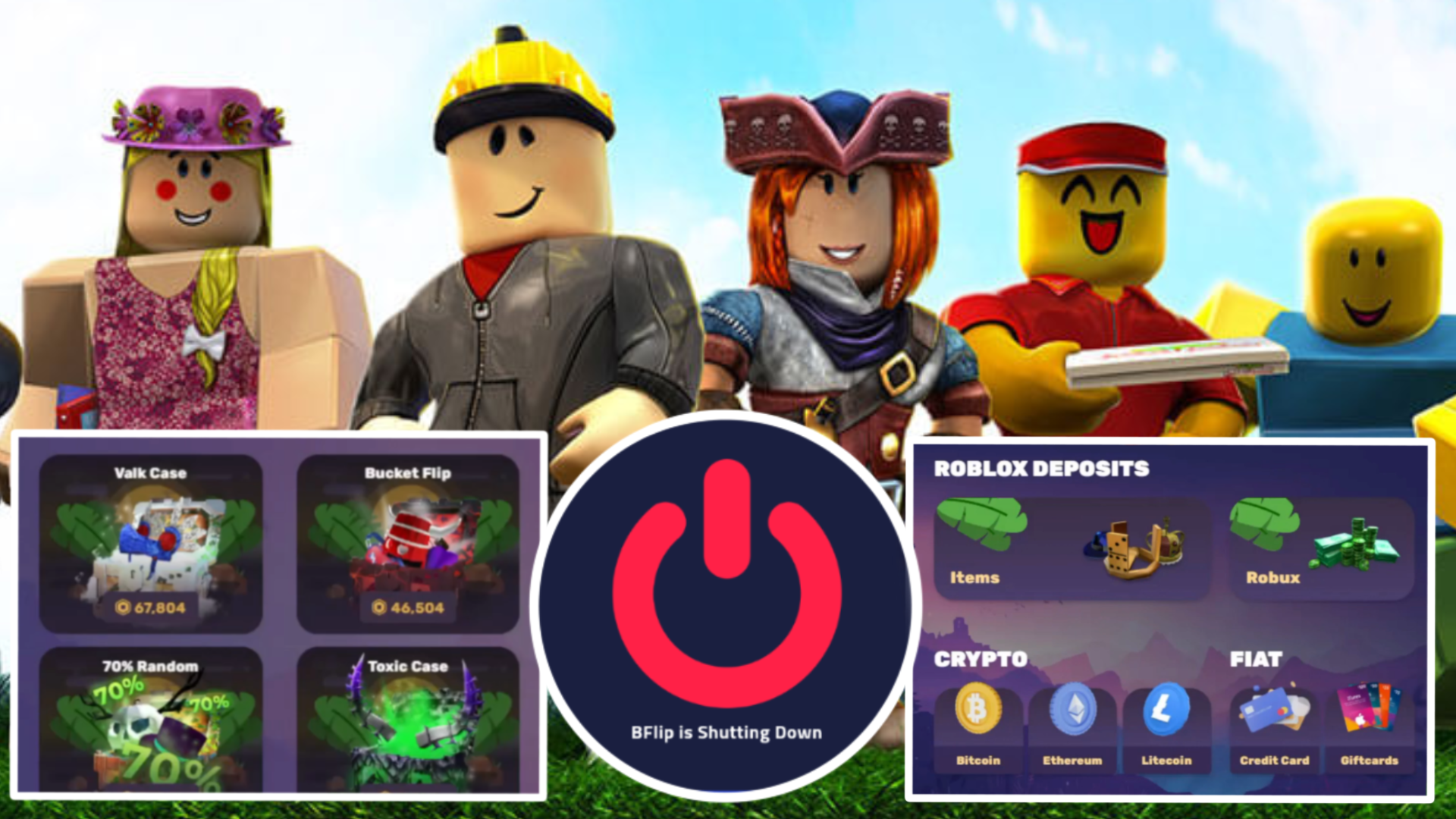
The UK Gambling Commission’s recent crackdown on online casinos accepting Robux, the in-game currency of the popular online platform Roblox, has sent shockwaves through the industry and sparked a renewed debate about child safety online. Sites like RBLXWild, Bloxmoon, and BloxFlip, which allowed users to gamble with Robux and virtual items, have been blocked in the UK and appear to be shutting down globally. This action follows a Sky News investigation that exposed these platforms’ lack of age verification, despite requiring users to confirm they were over 18. This vulnerability potentially exposed Roblox’s vast young userbase, estimated to be 42% under the age of 12, to unregulated gambling activities. The investigation highlighted the potential for children to be exploited, as these sites operated within a legal gray area, leveraging the popularity and accessibility of Robux to attract young gamblers.
The shutdown of these platforms is a significant step towards protecting children from online gambling, but it also raises questions about Roblox’s role in policing third-party activities related to its platform. While Roblox has publicly stated that it does not endorse these online casinos and welcomes law enforcement action, the company is facing a lawsuit from parents who claim Roblox was aware of these sites but failed to take adequate action to protect their children. This legal challenge underscores the tension between platform providers and their responsibility to safeguard users, particularly minors, from harmful content and activities associated with their platforms, even if they are not directly operated by the company itself. The case also raises questions about the effectiveness of Roblox’s existing policies and enforcement mechanisms in preventing third-party exploitation of its platform and userbase.
The controversy surrounding these online casinos highlights the blurring lines between gaming and gambling, particularly in online environments where in-game currencies and items hold real-world value. The ease with which Robux can be purchased with real money and then used for gambling on third-party sites created a loophole that allowed these platforms to operate largely unchecked. This situation exposed a regulatory gap, demonstrating the need for clearer guidelines and stricter enforcement to protect children from online gambling, especially in environments that cater to young audiences. The incident also emphasizes the importance of parental awareness and supervision in mitigating the risks associated with online gaming and virtual economies.
The involvement of young YouTubers, like DarkkHayden, who allegedly promoted these online casinos, adds another layer of complexity to the issue. These influencers, often popular within the Roblox community, may have inadvertently exposed their young followers to gambling, highlighting the potential for exploitation within online gaming communities. The allegations against these platforms, including the use of child influencers for promotion, further underscores the ethical concerns surrounding online gambling and the need for greater transparency and accountability within the industry. This incident also highlights the potential for regulatory bodies to expand their focus to encompass influencer marketing practices, particularly when they involve minors and potentially harmful activities like gambling.
While platforms like BloxFlip and RBLXWild have ceased operations, others, such as RBXGold, remain accessible outside the UK. RBXGold’s continued operation raises concerns about the effectiveness of international cooperation in regulating online gambling and protecting children from these platforms. The company’s website uses language that appeals to a younger audience, raising questions about their commitment to responsible gambling practices and the potential for further exploitation of Roblox’s young userbase. The ongoing availability of such platforms highlights the challenges in enforcing regulations across international borders and the need for greater collaboration between regulatory bodies in different countries to address this issue effectively.
The case against Roblox serves as a stark reminder of the responsibility that online platforms bear in protecting their users, especially children, from potential harm. The lawsuit brought by parents alleges that Roblox knew about these gambling sites and failed to take sufficient action, highlighting the importance of proactive measures and timely intervention. The outcome of this lawsuit will likely have significant implications for the future of online platform regulation and could set a precedent for holding companies accountable for the activities of third-party entities operating within their ecosystems. The incident underscores the need for continuous vigilance and proactive measures by online platforms to ensure the safety and well-being of their users, particularly minors, in the ever-evolving online landscape.