



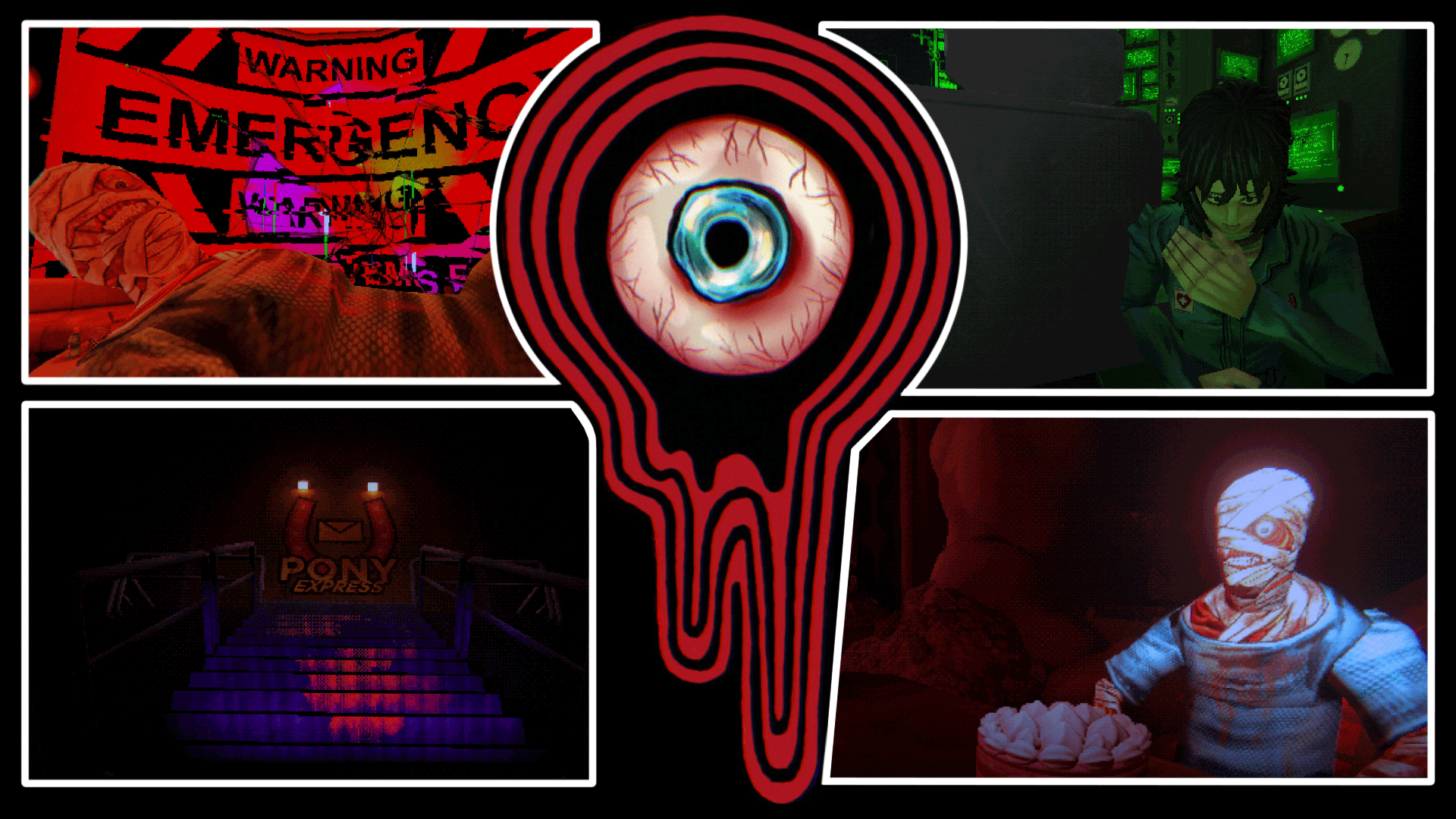
Mouthwashing, a retro-style horror game set in space, has garnered significant attention and praise for its chilling atmosphere and relatable characters, despite its sci-fi backdrop. The game follows the story of five individuals stranded on a spaceship, their predicament unfolding over a concise two to three-hour playtime. The narrative structure is non-linear, contributing to the sense of disorientation and suspense as players navigate the unfolding events. Perspective shifts between the different characters, further amplifying the tension and uncertainty players experience. While lauded for its overall impact, the game’s horror elements have drawn some criticism, particularly the overuse of jumpscares in an extended introductory corridor sequence and a less effective first-person shooter segment. These weaker aspects, however, are arguably overshadowed by the character-driven focus of the narrative.
The game’s strength lies in its ability to quickly immerse players in the lives of the five stranded individuals, fostering a sense of investment in their fates. This emotional engagement is so profound that players have developed strong opinions about the characters, particularly two individuals who elicit extreme reactions. One character, widely disliked by players, is perceived as inherently malevolent, their actions consistently rooted in selfishness and a lack of empathy. This characterization, however, clashes somewhat with the game’s underlying message of avoiding judgment based solely on past actions, as there appears to be no redeeming quality to balance the pervasive negativity. The most beloved character, conversely, is defined by a tragic experience, raising questions about their agency beyond serving as a plot device to highlight the cruelty of others. Their background story feels underdeveloped, with their identity almost entirely consumed by the tragic incident.
Despite the non-linear narrative and shifting perspectives, Mouthwashing refrains from explicit exposition, leaving room for interpretation and the possibility of overlooked nuances in the dialogue. This ambiguity contributes to the game’s mystique and allows for diverse player experiences and interpretations. While many players have described their playthrough as transformative, others, like the reviewer, haven’t connected with the game on such a profound level, leading to a sense of disconnect from the widespread acclaim. This divergence in player responses highlights the subjective nature of game experiences and the influence of individual expectations and preferences. The lack of a universally shared “life-changing” experience, however, doesn’t negate the game’s overall effectiveness in crafting a tense and emotionally charged narrative.
The game’s core strength lies in its character-driven storytelling, which has resonated deeply with many players. The five stranded individuals, their relationships, and their individual struggles form the emotional core of the game. The non-linear narrative and shifting perspectives contribute significantly to the overall atmosphere of suspense and uncertainty. The disorientation experienced by the player mirrors the confusion and fear of the characters, enhancing the immersive quality of the gameplay. This immersion is further intensified by the emotional investment players develop towards the characters, particularly those who evoke strong reactions. While the game’s horror elements may not be consistently effective, the psychological tension and emotional depth of the character interactions are what ultimately drive the narrative.
However, the game’s reliance on character-driven storytelling also presents challenges. The stark portrayal of the most hated character as irredeemably evil raises questions about the game’s nuanced exploration of morality. The absence of any mitigating qualities creates a sense of imbalance, potentially undermining the message of avoiding judgment based solely on past actions. Similarly, the over-reliance on a tragic incident to define the most beloved character limits their agency and development. Their background story feels underdeveloped, sacrificing a potentially richer character arc for a more simplistic emotional impact. This reliance on a single defining event simplifies the character’s complexity, potentially diminishing their long-term impact on the narrative.
Ultimately, Mouthwashing offers a compelling and thought-provoking narrative experience. Despite some shortcomings in its horror execution and character development, the game’s strength lies in its ability to create an immersive and emotionally engaging world. The non-linear narrative, shifting perspectives, and relatable characters combine to create a sense of tension, uncertainty, and emotional investment that resonates deeply with many players. While not every player may experience the game as “life-changing,” the divergent reactions and interpretations only underscore the power of its storytelling. The game’s ability to spark discussion and debate about its characters and themes further solidifies its position as a unique and impactful contribution to the horror genre.