


Paragraph 1: The Pursuit of Supersonic Travel Rekindled
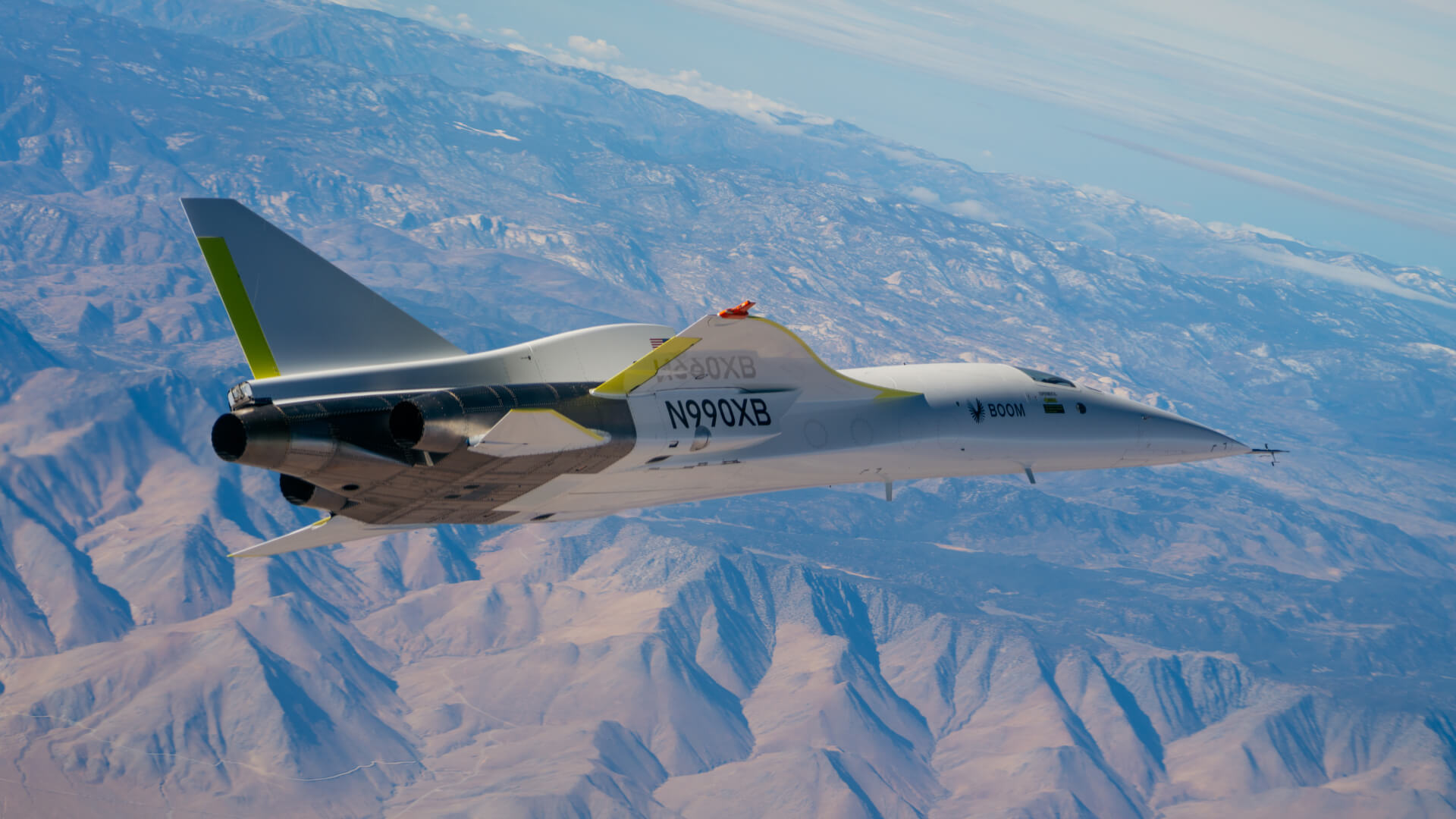
The dream of swift supersonic flight, reminiscent of the iconic Concorde, is being rekindled by Boom Technology, a US-based company developing the XB-1, affectionately dubbed the "Son of Concorde." This ambitious endeavor aims to dramatically reduce travel times, potentially shrinking a transatlantic journey from London to New York City to a mere 3.5 hours, compared to the current eight-hour norm. Boom Technology is steadily progressing towards this goal, conducting a series of meticulous test flights to push the boundaries of speed and altitude, inching closer to achieving Mach 1, the speed of sound.
Paragraph 2: XB-1’s Ascent towards Supersonic Speeds
In its ongoing flight test campaign, the XB-1 has notched significant milestones. During its ninth test flight, the aircraft attained a new top speed of Mach 0.87, equivalent to 667mph, while also reaching a record altitude of 27,716 feet. These tests are crucial for evaluating the structural integrity and aerodynamic performance of the aircraft at increasing speeds and altitudes. Boom Technology emphasized the importance of these tests in understanding the interaction between the XB-1’s structure and the atmosphere, particularly as it ventures closer to supersonic speeds.
Paragraph 3: Ensuring Safety and Addressing Challenges
The pursuit of supersonic flight presents unique engineering challenges, and safety remains paramount. During the test flights, Boom engineers identified the need for modifications to the flutter excitation system (FES), a critical component for preventing structural failure at high speeds. These essential adjustments have led to a slight delay in the timeline for achieving supersonic flight. While initially planned for late 2024, the first supersonic test flight is now anticipated in early 2025, preceded by one additional subsonic test flight.
Paragraph 4: Innovations for Efficiency and Sustainability
Beyond speed, Boom Technology is also focusing on fuel efficiency and environmental sustainability. In a collaboration with the Defense Innovation Unit (DIU) and Air Force Operational Energy Office, the company is exploring innovative technologies to minimize the environmental impact of supersonic flight. One such innovation involves the application of a "riblet" package inspired by shark skin to the aircraft’s underbelly. This textured surface aims to reduce drag at transonic and supersonic speeds, leading to lower fuel consumption and emissions.
Paragraph 5: A Glimpse into the Future of Supersonic Travel
Recent footage from the XB-1’s seventh test flight offers a captivating glimpse into the future of supersonic travel. The breathtaking views of the Mojave Desert, where chief test pilot Tristan “Geppetto” Brandenburg has been conducting the test flights, showcase the beauty and vastness of the landscape below. Brandenburg, in an earlier interview, highlighted the importance of affordability in the success of supersonic travel. Learning from the Concorde’s demise, he emphasized that the XB-1 is designed with a sustainable business model in mind, ensuring accessibility for a wider range of passengers.
Paragraph 6: Learning from the Past: The Concorde’s Legacy
The Concorde, a symbol of luxury and technological marvel, served as a pioneering venture into supersonic passenger travel. However, its high operating costs and limited passenger capacity made it economically unsustainable. The tragic accident in 2000, coupled with the subsequent decline in air travel following the 9/11 attacks, ultimately sealed its fate. Boom Technology is keenly aware of the Concorde’s history and is determined to avoid repeating its mistakes. The company’s focus on affordability, coupled with advancements in technology and a commitment to sustainability, aims to establish a viable future for supersonic travel, bringing the dream of faster global connections within reach.